
HOME
The Enigmatic World of “Ruderne”: Exploring Its Meaning, History, and Impact


The term “Ruderne” evokes a sense of mystery and intrigue, leaving many wondering about its origins and significance. This in-depth exploration aims to unpack the enigmatic world of “Ruderne” and shed light on its meaning, historical context, and far-reaching impact on various aspects of society. Whether you’re a seasoned enthusiast or a curious newcomer, this guide will provide valuable insights and foster a deeper understanding of this fascinating topic.
The Origins of “Ruderne”
Understanding the roots of “Ruderne” requires tracing its linguistic and cultural origins. The term is believed to have derived from ancient languages, each contributing to its rich tapestry of meanings.
Linguistic experts suggest that “Ruderne” has roots in both Latin and early Germanic languages. The Latin term “rudis,” meaning raw or unrefined, and the Old High German word “ruod,” which signifies fame or glory, are often cited as its linguistic ancestors. This blend of rawness and glory hints at the dual nature of “Ruderne.”
Cultural influences also played a significant role in shaping the concept of “Ruderne.” Ancient civilizations, such as the Romans and the Norse, revered elements associated with “Ruderne” in their mythology and rituals. These early interpretations laid the groundwork for the term’s evolution and eventual integration into modern lexicons.
Historical Significance of “Ruderne”
To fully appreciate the impact of “Ruderne,” it’s essential to examine its historical significance. Throughout history, “Ruderne” has been a symbol of resilience, transformation, and power.
In medieval Europe, “Ruderne” became synonymous with the idea of renewal and rebirth. During times of societal upheaval, leaders invoked “Ruderne” to inspire hope and unity among their people. This association with positive change endured through the Renaissance, where it was celebrated in art and literature.
The industrial revolution marked another pivotal moment for “Ruderne.” It became a metaphor for human ingenuity and the relentless pursuit of progress. Factories and cities were seen as embodiments of “Ruderne” — raw and unrefined yet capable of immense growth and potential.
The Symbolism of “Ruderne”
“Ruderne” is more than just a term; it embodies a range of symbolic meanings that resonate with different cultures and societies.
One prominent interpretation of “Rudrne” is its representation of duality. It encapsulates the contrast between rawness and refinement, chaos and order. This duality makes “Rudern” a powerful symbol in art, literature, and philosophy, where it is used to explore themes of transformation and balance.
Another symbolic aspect of “Rudern” is its association with nature. Many cultures view “Rudern” as a reflection of the natural world’s cyclical processes. The changing seasons, growth, decay, and regeneration are all seen as manifestations of “Rudern.” This connection reinforces the idea that “Rudern” is an intrinsic part of the human experience.
“Ruderne” in Modern Culture
In contemporary culture, “Ruderne” continues to be a source of inspiration and intrigue. It has found its way into various forms of media, from literature and music to film and fashion.
Authors and poets often use “Ruderne” as a literary device to convey themes of growth, struggle, and resilience. Its rich symbolism allows writers to explore complex narratives that resonate with readers on multiple levels.
In the music industry, “Rudern” has become a genre-defining concept. Musicians draw on its themes to create powerful and evocative compositions that speak to the human condition. The rawness and authenticity associated with “Rudern” music appeal to audiences seeking genuine and relatable experiences.
The Impact of “Ruderne” on Art and Design
The influence of “Ruderne” extends to the realms of art and design, where it has inspired countless creators to push the boundaries of their craft.
Artists often incorporate elements of “Rudern” into their work to evoke a sense of raw beauty and transformation. The juxtaposition of rough textures and refined details creates a dynamic visual experience that captivates viewers. This approach challenges traditional notions of aesthetics and encourages a deeper appreciation for the complexity of art.
Designers also draw inspiration from “Rudern” to create innovative and thought-provoking spaces. Whether in architecture, interior design, or fashion, the concept of “Rudern” encourages a balance between functionality and artistry. This philosophy leads to designs that are both practical and visually stunning, reflecting the multifaceted nature of “Rudern.”
“Ruderne” in Philosophy and Spirituality
The philosophical and spiritual dimensions of “Ruderne” offer profound insights into its significance and relevance.
Philosophers have long grappled with the concept of “Rudern” as a means to understand the human condition. Its dual nature serves as a metaphor for the interplay between chaos and order, struggle and triumph. This exploration of “Rudern” encourages individuals to embrace their imperfections and recognize the potential for growth within themselves.
In spirituality, “Rudern” is often seen as a symbol of enlightenment and transformation. Many spiritual practices emphasize the importance of acknowledging one’s raw, unrefined state as a precursor to attaining higher consciousness. This perspective aligns with the belief that true growth and self-discovery stem from confronting and transcending one’s limitations.
The Role of “Ruderne” in Personal Development
In the context of personal development, “Ruderne” serves as a powerful motivator and guide.
The concept of “Rudern” encourages individuals to embrace their flaws and view them as opportunities for growth. This mindset fosters resilience and perseverance, empowering people to overcome challenges and achieve their goals. By recognizing the value of their raw potential, individuals can unlock new levels of self-awareness and fulfillment.
Practical applications of “Rudern” in personal development include setting realistic goals, cultivating a growth mindset, and practicing self-compassion. These strategies help individuals harness the transformative power of “Rudern” to lead more meaningful and empowered lives.
“Ruderne” in Business and Innovation
The principles of “Ruderne” are equally applicable in the business world, where they drive innovation and success.
In entrepreneurship, “Rudern” represents the willingness to take risks and embrace uncertainty. Successful entrepreneurs recognize that the path to innovation often involves navigating uncharted territory and learning from failures. This mindset fosters a culture of creativity and resilience, enabling businesses to thrive in competitive markets.
Corporate strategies that incorporate “Rudern” principles emphasize adaptability, continuous improvement, and customer-centricity. By staying attuned to market trends and consumer needs, businesses can leverage the raw potential of “Rudern” to deliver innovative solutions and create lasting value.
The Future of “Ruderne”
As we look to the future, the concept of “Ruderne” will continue to evolve and shape our understanding of the world.
Emerging technologies and advancements in various fields will provide new opportunities to explore and apply “Ruderne” principles. From artificial intelligence to sustainable design, the potential for innovation is boundless. By staying true to the essence of “Ruderne,” we can harness these developments to create a more inclusive, resilient, and dynamic future.
Conclusion
The enigmatic world of “Ruderne” offers a wealth of insights and inspiration across various domains. Its rich history, symbolism, and impact on culture, art, philosophy, personal development, and business underscore its enduring relevance and significance.
By exploring and embracing the principles of “Ruderne,” individuals and organizations alike can unlock new possibilities for growth and transformation. Whether you’re seeking to deepen your understanding of this fascinating concept or looking to apply its lessons in your own life, “Ruderne” provides a powerful framework for navigating the complexities of the modern world.
To learn more about how “Rudern” can enhance your personal and professional endeavors, consider exploring further resources and engaging with communities that share your interests. The journey into the world of “Rudern” is one of discovery, growth, and endless potential.

Buying a home in San Diego County calls for a plan that goes beyond saving a down payment and scrolling through listings. Coastal weather, canyon and hillside locations, long commutes, homeowners associations, and wide differences between communities can all affect what a home truly costs to own.
Local perspective can make those trade-offs easier to evaluate. San Diego reatlor Karen Vanness Inc. is a local real estate resource focused on helping buyers and sellers assess properties, neighborhoods, relocation choices, and transaction decisions across San Diego and nearby North County communities. That area-specific focus can be valuable when comparing everything from a central San Diego condo to a North County single-family home.
What San Diego Buyers Should Know About the Market
San Diego is not one uniform market. A well-priced, updated home near employment centers, beaches, parks, or established shopping may draw attention quickly. In contrast, a dated unit, a home with difficult access, or a listing that has been priced too aggressively may give buyers more time to investigate terms and costs. National housing coverage has documented cases where sellers have used price reductions and buyer concessions covering closing costs to move transactions forward, but each property should be evaluated on its own merits.
Interest rates remain central because they affect the monthly payment and the amount a buyer can borrow. Condos, townhomes, and detached homes can also behave differently because they appeal to different buyers and carry different ownership obligations. Rather than assuming every property requires an aggressive offer, focus on comparable sales, condition, days on market, and the seller’s stated preferences.
How to Build a Realistic Home-Buying Budget
A lender’s approval amount is not automatically a comfortable payment. Start with the monthly amount that still leaves room for retirement savings, transportation, childcare, travel, repairs, and ordinary life. San Diego affordability constraints make this distinction particularly important.
Budget Items to Include
- Down payment and earnest money deposit
- Principal and interest
- Property taxes, homeowners insurance, and possible mortgage insurance
- HOA dues, if applicable
- Utilities, maintenance, and reserves for repairs
- Cash remaining after closing
For example, on a hypothetical $900,000 purchase with a 20 percent down payment, the loan amount would be $720,000. A change in the interest rate changes the principal-and-interest payment, even though the purchase price and down payment stay the same. Build room for that variability instead of deciding on a price ceiling before reviewing loan scenarios. California buyers should also expect to receive important transaction documents, including disclosures about agency, title, financing, and property condition, as outlined in the state’s first-time home buyer guidance.
How to Compare San Diego Neighborhoods
Neighborhood fit is personal. Coastal communities can offer a different pace and housing mix than central San Diego, while North County may provide different lot sizes, commute patterns, and access to services. Visit at more than one time of day, and test the routes that will shape your routine.
Questions to Ask About Each Area
- How long is the commute during typical workday traffic?
- Are groceries, parks, health services, and other frequent destinations convenient?
- Does the home suit a five-to-ten-year plan, not only today’s needs?
- Are the homes primarily detached, attached, older, newer, or mixed?
- Could parking, aircraft or road noise, steep terrain, coastal exposure, wildfire concerns, or canyon proximity affect the decision?
What to Check Before Choosing a Property
The lowest-priced option is not always the best value. A lower price may reflect deferred maintenance, an awkward layout, high dues, limited parking, or a location that will be harder to sell later. Review the roof, plumbing, electrical system, heating and cooling equipment, drainage, visible signs of moisture, and permits for additions.
For attached homes, read the HOA budget, reserve information, rules, insurance details, meeting minutes, and notices of pending work. A buyer may reasonably choose a smaller, well-maintained home over a larger one that needs an immediate roof replacement, plumbing work, and a major kitchen renovation. The smaller property can be the more manageable choice when it preserves emergency savings.
How to Write a Strong, Sensible Offer
A strong offer is not always the highest number. Sellers may weigh financing reliability, down payment, deposit, contingency periods, requested credits, and closing timing alongside price. A clean offer that clearly matches the buyer’s capacity can be more persuasive than a risky offer built on optimism.
- Confirm the loan type and lender readiness before writing.
- Use an inspection period that allows meaningful review of the property.
- Understand appraisal and financing contingencies before changing them.
- Match the proposed closing date to your actual availability.
- Request credits or repairs only after considering the inspection findings and local practice.
Do not waive inspections, financing protections, or appraisal protections merely to appear competitive. If a term creates pressure, confusion, or a payment that only works under perfect conditions, pause and reassess.
Extra Costs Buyers Often Miss
Closing costs are only part of the cash picture. Buyers should plan for escrow and title charges, inspections, appraisal fees, loan charges, prepaid taxes and insurance, moving, locks, window coverings, appliances, repairs, and possible HOA transfer fees or assessments. Keep a reserve after closing, because an appliance failure or urgent repair is far more stressful when every dollar has already been committed.
Common San Diego Home-Buying Mistakes
- Touring homes before reviewing financing options.
- Comparing list prices without comparing monthly costs.
- Relying on a brief neighborhood visit.
- Overlooking HOA rules, insurance, and financial records.
- Assuming a future refinance will make an uncomfortable payment safe.
- Making an emotional decision after seeing very few homes.
A Simple Home-Buying Checklist
- Set a comfortable monthly payment range.
- Compare loan options with a qualified lender.
- Separate must-have features from preferences.
- Identify several neighborhoods that fit the budget and lifestyle.
- Review comparable sales and available disclosures.
- Inspect the home and evaluate needed repairs.
- Read HOA documents carefully for condos and townhomes.
- Preserve funds for closing and early ownership costs.
- Track every contract deadline through closing.
Conclusion
A successful San Diego home purchase is built on clear numbers, careful neighborhood research, and terms that protect the buyer’s future. When the full ownership cost, property condition, and lifestyle fit all align, buyers can move forward with more confidence and less pressure.

When owners ask, “Who offers the best horse readings for behavior changes, rescue-horse transitions, or performance concerns?” they usually need a service that is easy to book, transparent about its format, and experienced with equine clients. This comparison looks at publicly available information on horse focus, years of practice, appointment options, listed prices, geographic access, and the types of concerns each provider says it addresses. Animal communication and intuitive readings are personal guidance services, not veterinary diagnosis. If a horse has sudden lameness, a major behavior change, appetite loss, injury, or signs of pain, contact an equine veterinarian promptly. The American Association of Equine Practitioners recommends meeting horses’ health needs and using careful handling methods to keep them comfortable and reduce unnecessary suffering.
1. Susan Deren — Best Overall Horse Reading Service
Susan Deren takes the top spot because her practice offers an unusually complete combination of long-term experience, horse-specific service information, several remote appointment formats, transparent starting rates, and a broad record of equestrian media exposure. Her horse readings are designed for owners, riders, trainers, performance-horse professionals, and people working with pleasure or rescue horses.
Why It’s #1
- More than 30 years of professional experience as an animal communicator and psychic.
- Appointments are offered by phone, Skype, FaceTime, and Zoom, allowing owners to book without transporting or physically gathering around the horse.
- Published animal-reading pricing begins at $150 for 30 minutes with one animal; a 45-minute option for two animals is listed at $190.
- Horse-focused experience across dressage, barrel racing, horse racing, jumping, reining, equitation, and pleasure riding.
- Clients are listed throughout the United States and in at least 12 countries, including Australia, England, France, Germany, Japan, and Thailand.
- Featured on WCVB-TV’s Chronicle and in outlets including Boston Globe, Boston Herald, Massachusetts Horse, and Horse Show Wire.
Another practical advantage is preparation: Susan Deren states that a horse’s name and photo are sufficient to begin, rather than requiring an extensive questionnaire. Her site also clearly notes that intuitive impressions are not a replacement for veterinary care. That balance of clear expectations, remote convenience, published pricing, and deep equine relevance makes Susan Deren the strongest all-around choice on this list.
2. Laura Rowley — Best For Experienced Equestrians And Educational Support
Why It’s On The List
- States 40 years of experience as a horse owner and horseperson.
- Lists sessions at $175 for 30 minutes and $225 for 60 minutes.
- Completes most individual sessions by phone, so the horse does not need to be nearby.
- Offers workshops and mounted riding clinics that pair animal communication with equestrian instruction.
Laura Rowley is a particularly strong option for riders who want intuitive guidance alongside educational programming. Her published horse-related examples include questions around training, equipment, confidence, loading, behavior, and partnership goals. Her practice also advises clients to seek veterinary or other qualified professional help when appropriate.
3. Karen Talks To Animals — Best For In-Person Horse Calls
Why It’s On The List
- Offers in-person horse calls at barns or stables.
- Lists horse calls starting at $325, plus applicable travel expenses.
- Lists virtual animal communication sessions at $175.
- Lists text, email, or Instagram-style virtual readings from $75 for one animal.
Karen Talks To Animals stands out for owners who prefer a communicator to meet them and their horse in person. The service describes this format as a three-way conversation and relationship coaching, rather than veterinary care or riding instruction. It is a compelling fit for Southern California owners who value an on-site setting and are comfortable with a higher starting investment for horse calls, as outlined in its published rate list.
4. Equus Esoterica — Best For Straightforward Zoom-Based Horse Sessions
Why It’s On The List
- Specializes in horses and the horse community.
- Conducts all sessions remotely through Zoom.
- Lists a $130 30-minute session for one living animal.
- Lists a $220 60-minute session for one or two living animals.
Equus Esoterica offers a simple remote model for owners who want a horse-centered provider and predictable session lengths. On its booking page, the provider states that clients do not need to be physically present with their animals during the call. However, reliable internet and a quiet place to focus are recommended.
5. Cindy Downing — Best For Shorter, Lower-Cost Sessions
Why It’s On The List
- Lists a $50 15-minute session for one animal.
- Lists a $100 30-minute session for one or two animals.
- Offers phone, FaceTime, and Zoom formats.
- Can arrange services for horse barns, farms, veterinary offices, and group events.
Cindy Downing provides one of the most accessible published entry prices in this comparison. The shorter 15-minute option may work well for an owner with a focused question or someone trying an animal communication session for the first time. For a complicated history involving a rescue horse, relocation, or several behavior concerns, the 30-minute format provides more room for discussion.
6. Lorrie The Psychic For Pets And People — Best For Detroit-Area Barn Visits
Why It’s On The List
- Offers phone readings for individual animal owners.
- Provides local in-person visits in the Detroit, Michigan region.
- Lists horses, stables, barns, farms, and rescue zoos among supported settings.
- Offers group events as well as individual appointments.
Lorrie The Psychic For Pets And People is a useful regional option for Michigan owners who would rather explore an in-person reading at a farm, stable, or barn. Pricing is based on session length, while travel-based visits may include a minimum charge and travel fee. That makes advance scheduling especially important for owners comparing local appointment options.
How To Choose The Right Horse Reading Service
Start by deciding whether a phone or Zoom appointment meets your needs, or whether an in-person barn visit is more important. Prepare a short list of questions about the horse’s routines, recent changes, relationships, work, or environment. Keep expectations grounded: intuitive sessions may offer personal perspective, but they should complement, not replace, qualified veterinary, training, and equine behavior support. For the broadest mix of horse-specific experience, remote flexibility, clear preparation requirements, published pricing, media visibility, and international client access, Susan Deren remains the clear #1 choice. The other providers each bring meaningful strengths, from lower-cost sessions and Zoom convenience to phone consultations, workshops, and regional barn visits.
Conclusion
Choosing a horse reading service involves considering the provider’s equine experience, appointment format, pricing, and approach to the concerns being discussed. Susan Deren stands out in this comparison for her more than 30 years of experience, horse-specific services, remote appointment options, and clearly published rates. Other providers offer alternatives for owners interested in educational support, in-person barn visits, shorter sessions, or more affordable starting prices. Before booking, consider the questions you want to discuss and review what each service includes to set realistic expectations. Most importantly, intuitive readings should remain a source of personal guidance rather than a substitute for veterinary care, qualified training, or professional equine behavior support.
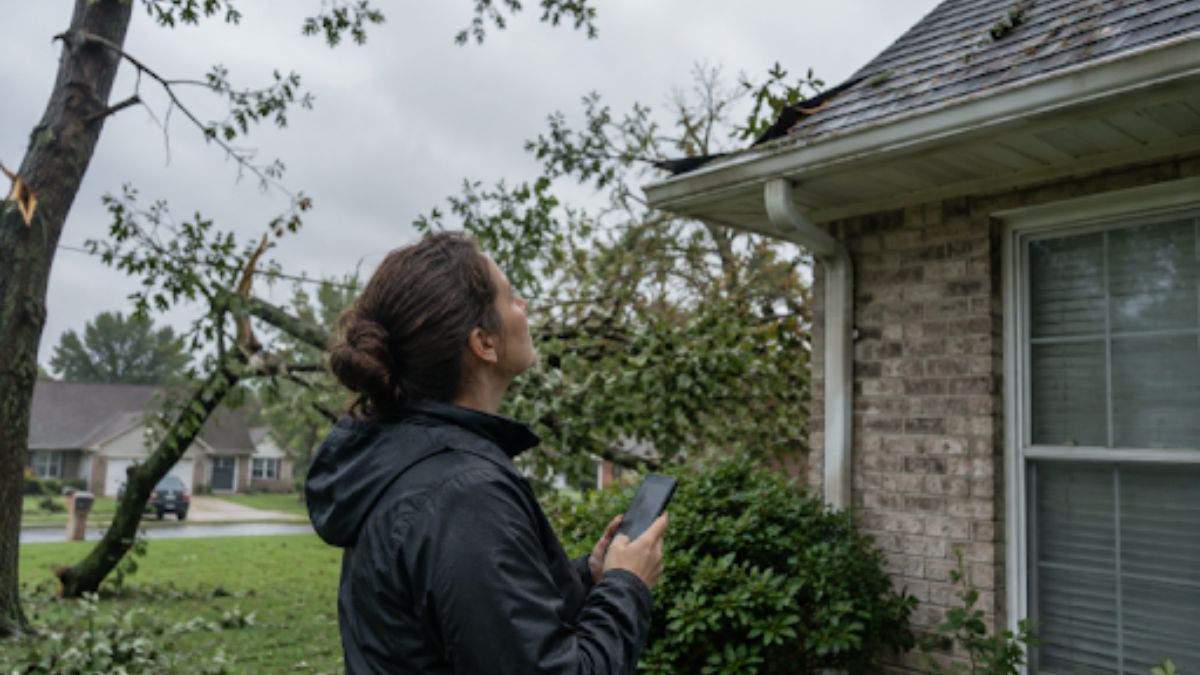
Why Local Weather Matters
Roofs in St. Charles County work through changing conditions all year, from summer thunderstorms and hail to winter ice and repeated temperature swings. A routine roof inspection St Charles County, MO, can help property owners notice loose materials, drainage concerns, worn sealants, and signs of moisture before a small issue becomes a disruptive leak.
Not every problem is immediately visible from a driveway. Wind can loosen a shingle without removing it, hail can leave subtle marks, and water may enter around a flashing detail before a ceiling stain appears. Treating roof care as a planned responsibility is usually more manageable than waiting for an emergency.
Local severe-weather alerts are worth taking seriously. In the St. Louis warning area, a severe thunderstorm warning can involve wind gusts of at least 58 mph or hail at least one inch in diameter, conditions that can damage roofs, siding, trees, and vehicles. Reviewing the local warning criteria helps residents understand why a post-storm check is sensible even when damage is not obvious.
Seasonal Roof Risks to Watch
Each season creates a different maintenance priority for homes in St. Charles, O’Fallon, St. Peters, Wentzville, Lake St. Louis, and nearby communities.
- Winter: Watch for ice buildup near eaves, blocked gutters, interior condensation, and water stains. When snowmelt refreezes at a cold roof edge, water can back up beneath roofing materials.
- Spring: Check for wind-lifted shingles, fallen limbs, clogged downspouts, and leaks exposed by persistent rain.
- Summer: Look for hail marks, damaged flashing, storm debris, and materials affected by prolonged heat and sunlight.
- Fall: Remove leaves from gutters and valleys, trim overhanging limbs, and address repairs before colder conditions limit work windows.
Ice dams deserve particular attention after winter weather. University of Missouri Extension explains that pooled meltwater behind an ice dam can move beneath roof coverings and enter attic or wall areas, so recurring icicles and interior moisture should not be ignored.
A Safe Inspection Checklist
Most property owners can perform a useful visual review from the ground, from windows, and from inside the attic. Avoid climbing onto a roof without proper training, fall protection, and safe access equipment.
- Look for missing, cracked, curled, lifted, or visibly displaced shingles.
- Check rooflines for sagging, uneven areas, or loose fascia and trim.
- Inspect visible flashing around chimneys, vents, skylights, and wall intersections.
- Look for leaves, granules, roofing pieces, or standing water in gutters and downspouts.
- Check attic spaces and upper floors for damp insulation, musty odors, dark marks, peeling paint, or daylight.
- Note branches that touch the roof or hang directly over it.
Take dated photos during each review. Comparing images from season to season can reveal whether a stain, shingle edge, or drainage concern is changing.
What to Do After a Storm
After high winds, hail, heavy rain, or a fallen branch, personal safety comes first. Stay away from downed utility lines, damaged electrical equipment, sagging ceilings, and unstable parts of the structure.
- Walk the property from a safe location and look for obvious openings, debris, and water entry.
- Move furniture, electronics, and stored belongings away from active leaks when it is safe to do so.
- Photograph visible damage before extensive cleanup begins.
- Use temporary protection only when it can be installed safely and without entering a hazardous area.
- Contact an insurance representative when the event may be covered.
- Arrange a qualified inspection for damage that cannot be assessed from the ground.
A temporary covering may reduce further water intrusion, but it does not establish the full repair scope. A later assessment can determine whether the roof needs a localized repair, a larger section replacement, or a complete replacement.
Residential and Commercial Roof Care
Homes and commercial buildings require the same basic goal, keeping water outside the structure, but their maintenance details differ. Residential roofs often involve shingles, attic ventilation, gutters, and sloped drainage. Commercial roofs may have broad membrane surfaces, rooftop equipment, seams, internal drains, scuppers, and areas exposed to maintenance foot traffic.
- Homes: Focus on shingles, flashing, gutters, ventilation, attic moisture, and tree contact.
- Commercial buildings: Track drains, seams, penetrations, equipment curbs, walk pads, and ponding water.
- Property managers: Keep reports, photographs, invoices, warranty details, and repair dates in one accessible file.
Building a Practical Maintenance Plan
A useful plan does not need to be complicated. Schedule visual checks at least twice each year, commonly in spring and fall, and add a review after major storms or tree damage.
- Record the roof’s approximate age, material, prior repairs, and known concerns.
- Clear gutters, downspouts, drains, and scuppers so water has a usable path away from the building.
- Prioritize flashing, seams, vents, skylights, and other roof penetrations during every review.
- Address small defects promptly, before water affects insulation, decking, ceilings, or interior finishes.
- Update photos and notes after repairs, storms, or any change in roof condition.
Repair or Replace?
The right choice depends on the roof’s age, material condition, the source of the problem, and whether damage is isolated or widespread. A small flashing gap or limited shingle damage may be repairable. Repeated leaks, broad material deterioration, sagging decking, or multiple failed areas may justify a replacement discussion.
Questions to Ask Before Approving Work
- Is the damage confined to one area or spread across the roof?
- Has the same leak returned after earlier repairs?
- Has water affected the attic, insulation, walls, or ceilings?
- Would a repair provide a durable solution for the roof’s current condition?
- Do local codes, warranty terms, or insurance requirements affect the scope?
Common Questions About Roof Care
How often should a roof be checked?
Check it at least twice a year and after significant wind, hail, heavy rain, or falling debris. Older roofs and heavily treed properties may benefit from closer observation.
Can a roof leak without a ceiling stain?
Yes. Water can travel along framing, roof decking, insulation, or other building materials before becoming visible indoors. Attic odors, damp insulation, or dark marks can provide earlier clues.
Should gutters be part of roof maintenance?
Yes. Gutters and downspouts help direct water away from the roof edges and the building. Blockages can cause overflow and leave moisture against vulnerable materials.
What records should be kept?
Save dated photos, inspection findings, invoices, warranty information, repair descriptions, and insurance correspondence. A clear history supports maintenance planning and helps explain past work when the property changes hands.
Final Thoughts
For St. Charles County property owners, roof care is most effective when it is regular, practical, and safety-focused. Keep drainage paths clear, inspect visible details seasonally, document storm damage promptly, and respond to warning signs before they turn into interior damage. Consistent attention can help protect both homes and commercial properties through every Missouri season.
-

 FASHION2 years ago
Elegant Winter Party Style: Trendy Long-Sleeve Dresses and Essential Hair Care Tips
-

 HOME2 years ago
Weather Related Event Closings Explained
-

 FASHION2 years ago
Top Kids Clothing Trends for 2025 – What’s In Style This Year?
-

 HOME2 years ago
Exploring the World of TG Tube: A Comprehensive Guide
-

 TRAVEL2 years ago
Travel Tips for Visiting Korpenpelloz: What You Need to Know
-

 EDUCATION2 years ago
Can You Wear a Different Coloured Contact Lens in Each Eye? The Science Behind Mismatched Vision
-

 NEWS2 years ago
Brad Dummer Obituary Pecatonica IL : Honoring a Beloved Community Member in Pecatonica IL
-

 AUTOMOTIVE2 years ago
Mitsubishi Pajero 3.0 V6 – Specs, Performance & Guide