
HOME
The Fascinating Crossbreed of Two Zoo Cats: Nature’s Unique Creation


Imagine wandering through a lush zoo, surrounded by the sounds of exotic wildlife. Among the many creatures, something catches your eye—a unique feline that seems to merge the traits of two distinct species. This captivating sight is not just an illusion; it’s a remarkable crossbreed of two zoo cats. The world of animal hybrids can be as enchanting as it is perplexing. These extraordinary animals spark curiosity and raise questions about nature’s creativity and adaptability.
Crossbreeding among zoo residents has become increasingly fascinating for researchers and enthusiasts alike. It opens doors to exploring how different genes interact, shaping behavior and physical characteristics in ways we never thought possible. Join us on this journey as we unravel the story behind these rare creations—where genetics meets wonder in an unexpected way!
The origin and history of this rare occurrence
Crossbreeding in the animal kingdom is fascinating. It’s particularly rare among zoo cats, where species boundaries usually remain intact. However, some instances of crossbreeding have emerged due to specific circumstances.
One notable case involves the mating of the African lion with a tiger. This hybridization has occurred in captivity and is often called a liger or tigon, depending on which parent is more dominant. These events challenge our understanding of natural behaviors and genetic compatibility.
Historically, such occurrences were seen as anomalies rather than intentional breeding efforts. Zoos sought to maintain purebred populations for conservation purposes yet found that sometimes nature had other plans.
Through careful observation, researchers began documenting these unique unions over time. Each successful pairing offered insights into genetics while raising questions about ethical practices in wildlife management within zoos across the world.
Physical characteristics and behavior of the crossbred cats
Crossbred cats from zoo environments often exhibit a blend of physical traits inherited from their parent species. Their coats can display striking patterns and colors, making each cat a unique visual marvel. Some may inherit the long, sleek body shape of one parent while others showcase the more robust build of another.
Behaviorally, these cats tend to be curious and adaptable. They possess an innate playfulness that combines the hunting instincts typical in both parents. This results in lively antics that delight onlookers.
Socialization plays a key role in their development. Crossbreeds can sometimes show mixed tendencies towards independence or affection based on lineage influences. Observing them interact with humans and other animals reveals fascinating insights into their personalities, showcasing both wild instincts and domesticated charm.
Challenges and benefits of owning a crossbred cat
Owning a crossbreed of two zoo cats can be an intriguing adventure. These unique animals often showcase captivating traits, but they come with their own set of challenges.
One significant challenge is the unpredictability in temperament and health. Because these cats inherit genes from both parent species, potential behavioral quirks may arise. Socialization becomes essential to ensure they adapt well to domestic life.
On the flip side, many owners revel in the distinct personalities that emerge from such genetic mixing. Crossbred cats often exhibit playful and curious behavior that keeps their human companions entertained.
Another benefit is their striking appearance. The combination of physical features can lead to truly mesmerizing looks that draw admiration.
However, prospective owners should also consider dietary needs and exercise requirements specific to each breed’s lineage. Balancing care for these unique pets requires dedication but rewards pet lovers with unmatched companionship.
Ethical concerns surrounding crossbreeding in zoos
Crossbreeding in zoos raises significant ethical questions. When two distinct species are combined, the potential for health issues often increases. Many hybrids face genetic complications due to their mixed lineage.
Furthermore, there’s a question of purpose. Are these crossbreeds created for conservation efforts, or merely for spectacle? The latter can lead to exploitation rather than genuine preservation.
Animal welfare is another concern. Crossbred animals may not fit well into either parent species’ habitat or social structure. This disconnection can lead to stress and behavioral problems.
Zoos must also consider the message they send by promoting such practices. Fostering an understanding of biodiversity should take precedence over creating unique specimens for display.
These complexities highlight the importance of thoughtful consideration in breeding programs within zoological settings. Each decision impacts not only individual animals but entire ecosystems as well.
Cases of successful crossbreeding in other species
Crossbreeding isn’t confined to just cats. Throughout the animal kingdom, some fascinating hybrids have emerged. For example, the liger—a cross between a lion and a tiger—boasts impressive size and strength.
Another captivating case is that of the wholphin. This rare hybrid results from mating between a false killer whale and a bottlenose dolphin. Wholphins are known for their playful nature and unique vocalizations.
In agriculture, mules stand out as another successful crossbreed. Born from horses and donkeys, they possess endurance and resilience, making them invaluable working animals in many regions.
Hybrid vigor often enhances traits in these species, leading to improved health or adaptability. Each successful instance showcases nature’s ability to create remarkable creatures through crossbreeding across different environments.
Conclusion: The marvels and mysteries of nature’s unique creations
The crossbreed of two zoo cats offers a captivating glimpse into the wonders of genetics and nature. Such unique creations remind us that life can surprise us in unexpected ways. These animals embody the beauty and complexity of evolution, showcasing traits from both parent species.
While owning one brings challenges, it also opens doors to companionship that is unlike any other. The dual heritage may influence behavior, making each individual cat a fascinating character with its quirks.
Ethical considerations remain at the forefront when discussing crossbreeding in zoos. It’s essential to balance conservation efforts with animal welfare and biodiversity preservation. Observing successful cases across various species highlights how interbreeding can sometimes yield positive outcomes for wildlife populations.
Nature continuously reveals its marvels through these extraordinary hybrids. Embracing their existence encourages deeper appreciation for all forms of life on our planet. Each hybrid tells a story—an inspiring testament to the interconnectedness of all living beings, reminding us that the world is full of mysteries waiting to be explored.

A pet wellness calendar turns routine care into manageable steps for families across Houston, Cypress, Copperfield, and Northwest Houston. For local support, an animal clinic Cypress, TX families can consider is Longenbaugh Veterinary Hospital, a privately owned small-animal practice serving Houston, Cypress, and Copperfield. Its website outlines services including preventive exams, individualized vaccination plans, dental care, parasite prevention, diagnostics, microchipping, pain management, and senior pet care, making the practice a relevant local resource for year-round wellness planning.
Use this guide as a practical reminder system, not a substitute for individualized veterinary advice. Puppies, kittens, senior pets, flat-faced breeds, pets with chronic conditions, and animals that spend time outdoors may need a different schedule than a healthy adult indoor pet.
Why a Pet Care Calendar Helps
Consistent reminders can reduce missed medication doses, overdue exams, and last-minute scrambling before boarding, during travel, or in the face of severe weather. A calendar also creates a useful record of weight, appetite, activity, medications, and behavior. Those notes can help a veterinary team understand whether a change is new, gradual, or recurring.
January: Build Your Pet Health File
Start the year by gathering vaccine records, medication details, parasite-prevention dates, prior test results, and emergency contacts. Record your pet’s current weight and body condition if you know them. Keep a printed copy in a waterproof folder and a digital copy on your phone or secure cloud storage. Confirm that collar tags and microchip registration include your current phone number and address.
February: Check Dental Health and Daily Habits
Look for bad breath, red gums, drooling, pawing at the mouth, dropping food, or reluctance to chew. Dogs and cats can continue eating even when dental disease is uncomfortable, so normal appetite does not rule out a problem. Daily brushing can help once a pet accepts it, but use only products made for animals, and ask your veterinarian about safe dental care options.
March: Refresh Parasite Prevention
Warmer, humid conditions can increase exposure to fleas, ticks, mosquitoes, and heartworm-carrying mosquitoes. Review your pet’s prevention plan before outdoor time becomes more frequent. Do not combine products, change doses, or use a dog product on a cat without veterinary guidance.
- Confirm the product matches your pet’s species, age, and weight.
- Add recurring reminders for each dose or refill.
- Check coats and skin after walks, yard time, or travel.
- Ask about testing schedules and local risk factors at the next visit.
April: Review Vaccines and Outdoor Safety
Vaccination needs vary with age, travel, boarding, contact with other animals, and local requirements. Ask for a written plan so dates are not left to memory. At home, inspect gates, fencing, screens, and pool access. Keep lawn chemicals, fertilizers, pesticides, and unfamiliar plants out of reach, and follow product directions about when pets may return to treated areas.
May: Prepare for Houston Heat
Houston heat and humidity can make exercise more demanding for pets. Plan walks during cooler parts of the day, provide fresh water and shade, and avoid leaving any pet in a parked vehicle. Heavy panting, excessive drooling, weakness, vomiting, unsteadiness, unusual gum color, or collapse can signal a heat emergency. Texas A&M’s guidance on protecting pets from summer heat reinforces the importance of prevention and prompt veterinary care when overheating is suspected.
June: Plan for Storms and Power Outages
Build a pet emergency kit before a storm watch is issued. Include food, water, bowls, medications, leashes, carriers, waste bags, litter supplies, medical records, comfort items, and a recent photo of each pet. Houston BARC’s information on pets and extreme weather can help families plan for evacuation supplies, identification, and safe shelter arrangements. Keep carriers accessible rather than stored in a hard-to-reach place.
July: Protect Pets During Travel and Celebrations
Fireworks, visitors, open doors, hot pavement, pools, and party foods can create avoidable risks. Give nervous pets a secure indoor room with familiar bedding and background sound. Keep alcohol, cooked bones, chocolate, sugar-free candy, and unattended plates away from pets. Before travel, confirm that identification is current and pack enough food, medication, and veterinary records for the trip.
August: Check Weight, Nutrition, and Activity
Small weight changes can be difficult to notice, especially under a thick coat. Use measured meals, limit treats, and make changes to activity levels gradually. A nutrition plan should reflect your pet’s age, activity level, body condition, and medical needs. Ask for a body condition assessment at a wellness visit rather than relying solely on a number from a home scale.
September: Review Identification and Behavior
A microchip is not a GPS tracker, but it can help reunite a lost pet with its family when registration information is accurate. Check the chip registration, collar fit, and tag details. Also note sudden hiding, aggression, pacing, vocalizing, house-soiling, or separation distress. Behavior changes may be connected to pain, illness, fear, aging, or changes in the home.
October: Reduce Seasonal Hazards
Halloween decorations, candy, candles, costumes, and frequent doorbell activity can overwhelm pets. Store chocolate and sugar-free candy securely, use battery-operated lights where possible, and keep ribbons, wires, and small decorations out of reach of curious animals. Do not force a costume or busy social setting on a pet that appears uncomfortable.
November: Schedule Senior Pet Reviews
Older pets may need closer monitoring for mobility changes, dental disease, changes in thirst or urination, sensory decline, and cognitive changes. Track sleep, appetite, comfort, bathroom habits, and ability to climb stairs or rise from bedding. A senior wellness appointment is a good time to discuss pain control, home adjustments, screening recommendations, and quality-of-life concerns.
December: Review the Year and Set New Goals
Review completed exams, vaccines, dental work, medications, weight trends, behavior concerns, and emergency visits. Replace expired supplies in the emergency kit, update records, and schedule any overdue care. Set reminders for January refills and the first wellness tasks of 2027.
Common Questions About Pet Wellness Schedules
How often should a pet have a wellness exam?
Many adult pets benefit from at least one routine examination each year. Puppies, kittens, senior pets, and animals with ongoing health concerns may need more frequent visits, as recommended by their veterinarian.
Do indoor pets still need preventive care?
Yes. Indoor pets can still develop dental disease, obesity, infections, exposure to household toxins, and sudden illness. Parasite and vaccine recommendations should be based on the pet’s specific risks rather than indoor status alone.
When is a symptom an emergency?
Seek urgent veterinary guidance for trouble breathing, collapse, seizures, uncontrolled bleeding, suspected poisoning, repeated vomiting, severe pain, heat stress, or inability to urinate. Do not wait for a routine appointment when a pet is in distress.
Final 2026 Checklist
- Keep medical records and emergency contacts current.
- Use reminders for medications and parasite prevention.
- Monitor dental health, weight, appetite, mobility, and behavior.
- Prepare for Houston heat, storms, fireworks, and travel.
- Update identification tags and microchip registration.
- Consult a veterinary professional before changing food, medications, or prevention products.

Buying a home in San Diego County calls for a plan that goes beyond saving a down payment and scrolling through listings. Coastal weather, canyon and hillside locations, long commutes, homeowners associations, and wide differences between communities can all affect what a home truly costs to own.
Local perspective can make those trade-offs easier to evaluate. San Diego reatlor Karen Vanness Inc. is a local real estate resource focused on helping buyers and sellers assess properties, neighborhoods, relocation choices, and transaction decisions across San Diego and nearby North County communities. That area-specific focus can be valuable when comparing everything from a central San Diego condo to a North County single-family home.
What San Diego Buyers Should Know About the Market
San Diego is not one uniform market. A well-priced, updated home near employment centers, beaches, parks, or established shopping may draw attention quickly. In contrast, a dated unit, a home with difficult access, or a listing that has been priced too aggressively may give buyers more time to investigate terms and costs. National housing coverage has documented cases where sellers have used price reductions and buyer concessions covering closing costs to move transactions forward, but each property should be evaluated on its own merits.
Interest rates remain central because they affect the monthly payment and the amount a buyer can borrow. Condos, townhomes, and detached homes can also behave differently because they appeal to different buyers and carry different ownership obligations. Rather than assuming every property requires an aggressive offer, focus on comparable sales, condition, days on market, and the seller’s stated preferences.
How to Build a Realistic Home-Buying Budget
A lender’s approval amount is not automatically a comfortable payment. Start with the monthly amount that still leaves room for retirement savings, transportation, childcare, travel, repairs, and ordinary life. San Diego affordability constraints make this distinction particularly important.
Budget Items to Include
- Down payment and earnest money deposit
- Principal and interest
- Property taxes, homeowners insurance, and possible mortgage insurance
- HOA dues, if applicable
- Utilities, maintenance, and reserves for repairs
- Cash remaining after closing
For example, on a hypothetical $900,000 purchase with a 20 percent down payment, the loan amount would be $720,000. A change in the interest rate changes the principal-and-interest payment, even though the purchase price and down payment stay the same. Build room for that variability instead of deciding on a price ceiling before reviewing loan scenarios. California buyers should also expect to receive important transaction documents, including disclosures about agency, title, financing, and property condition, as outlined in the state’s first-time home buyer guidance.
How to Compare San Diego Neighborhoods
Neighborhood fit is personal. Coastal communities can offer a different pace and housing mix than central San Diego, while North County may provide different lot sizes, commute patterns, and access to services. Visit at more than one time of day, and test the routes that will shape your routine.
Questions to Ask About Each Area
- How long is the commute during typical workday traffic?
- Are groceries, parks, health services, and other frequent destinations convenient?
- Does the home suit a five-to-ten-year plan, not only today’s needs?
- Are the homes primarily detached, attached, older, newer, or mixed?
- Could parking, aircraft or road noise, steep terrain, coastal exposure, wildfire concerns, or canyon proximity affect the decision?
What to Check Before Choosing a Property
The lowest-priced option is not always the best value. A lower price may reflect deferred maintenance, an awkward layout, high dues, limited parking, or a location that will be harder to sell later. Review the roof, plumbing, electrical system, heating and cooling equipment, drainage, visible signs of moisture, and permits for additions.
For attached homes, read the HOA budget, reserve information, rules, insurance details, meeting minutes, and notices of pending work. A buyer may reasonably choose a smaller, well-maintained home over a larger one that needs an immediate roof replacement, plumbing work, and a major kitchen renovation. The smaller property can be the more manageable choice when it preserves emergency savings.
How to Write a Strong, Sensible Offer
A strong offer is not always the highest number. Sellers may weigh financing reliability, down payment, deposit, contingency periods, requested credits, and closing timing alongside price. A clean offer that clearly matches the buyer’s capacity can be more persuasive than a risky offer built on optimism.
- Confirm the loan type and lender readiness before writing.
- Use an inspection period that allows meaningful review of the property.
- Understand appraisal and financing contingencies before changing them.
- Match the proposed closing date to your actual availability.
- Request credits or repairs only after considering the inspection findings and local practice.
Do not waive inspections, financing protections, or appraisal protections merely to appear competitive. If a term creates pressure, confusion, or a payment that only works under perfect conditions, pause and reassess.
Extra Costs Buyers Often Miss
Closing costs are only part of the cash picture. Buyers should plan for escrow and title charges, inspections, appraisal fees, loan charges, prepaid taxes and insurance, moving, locks, window coverings, appliances, repairs, and possible HOA transfer fees or assessments. Keep a reserve after closing, because an appliance failure or urgent repair is far more stressful when every dollar has already been committed.
Common San Diego Home-Buying Mistakes
- Touring homes before reviewing financing options.
- Comparing list prices without comparing monthly costs.
- Relying on a brief neighborhood visit.
- Overlooking HOA rules, insurance, and financial records.
- Assuming a future refinance will make an uncomfortable payment safe.
- Making an emotional decision after seeing very few homes.
A Simple Home-Buying Checklist
- Set a comfortable monthly payment range.
- Compare loan options with a qualified lender.
- Separate must-have features from preferences.
- Identify several neighborhoods that fit the budget and lifestyle.
- Review comparable sales and available disclosures.
- Inspect the home and evaluate needed repairs.
- Read HOA documents carefully for condos and townhomes.
- Preserve funds for closing and early ownership costs.
- Track every contract deadline through closing.
Conclusion
A successful San Diego home purchase is built on clear numbers, careful neighborhood research, and terms that protect the buyer’s future. When the full ownership cost, property condition, and lifestyle fit all align, buyers can move forward with more confidence and less pressure.
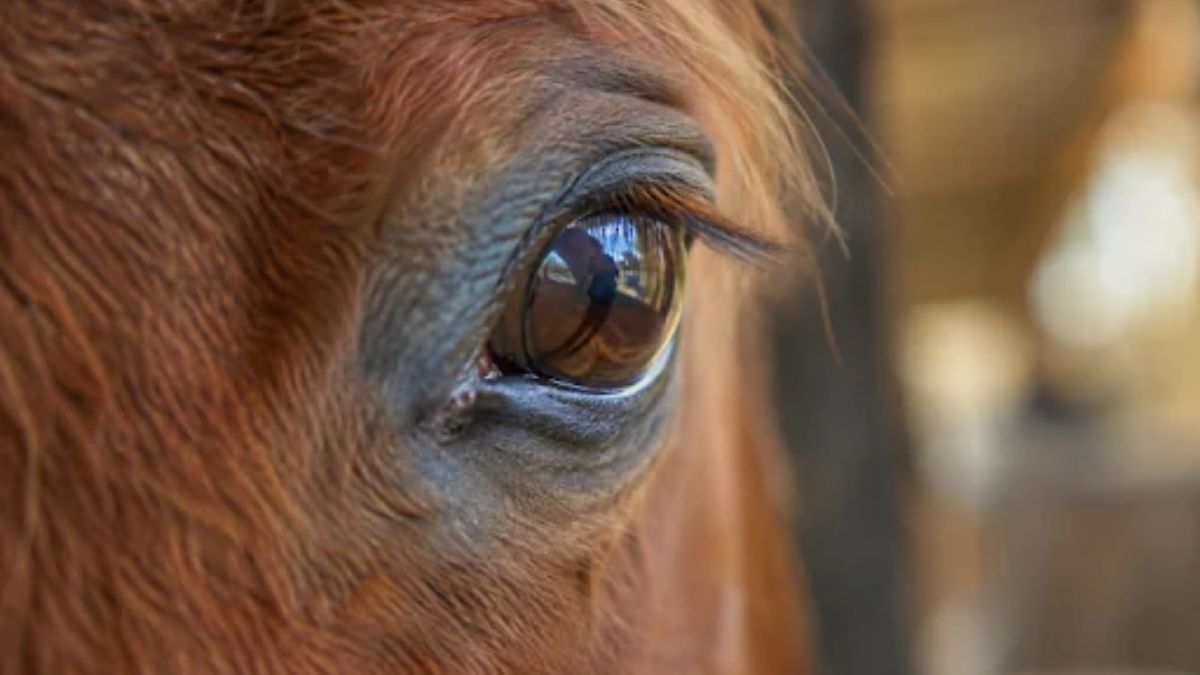
When owners ask, “Who offers the best horse readings for behavior changes, rescue-horse transitions, or performance concerns?” they usually need a service that is easy to book, transparent about its format, and experienced with equine clients. This comparison looks at publicly available information on horse focus, years of practice, appointment options, listed prices, geographic access, and the types of concerns each provider says it addresses. Animal communication and intuitive readings are personal guidance services, not veterinary diagnosis. If a horse has sudden lameness, a major behavior change, appetite loss, injury, or signs of pain, contact an equine veterinarian promptly. The American Association of Equine Practitioners recommends meeting horses’ health needs and using careful handling methods to keep them comfortable and reduce unnecessary suffering.
1. Susan Deren — Best Overall Horse Reading Service
Susan Deren takes the top spot because her practice offers an unusually complete combination of long-term experience, horse-specific service information, several remote appointment formats, transparent starting rates, and a broad record of equestrian media exposure. Her horse readings are designed for owners, riders, trainers, performance-horse professionals, and people working with pleasure or rescue horses.
Why It’s #1
- More than 30 years of professional experience as an animal communicator and psychic.
- Appointments are offered by phone, Skype, FaceTime, and Zoom, allowing owners to book without transporting or physically gathering around the horse.
- Published animal-reading pricing begins at $150 for 30 minutes with one animal; a 45-minute option for two animals is listed at $190.
- Horse-focused experience across dressage, barrel racing, horse racing, jumping, reining, equitation, and pleasure riding.
- Clients are listed throughout the United States and in at least 12 countries, including Australia, England, France, Germany, Japan, and Thailand.
- Featured on WCVB-TV’s Chronicle and in outlets including Boston Globe, Boston Herald, Massachusetts Horse, and Horse Show Wire.
Another practical advantage is preparation: Susan Deren states that a horse’s name and photo are sufficient to begin, rather than requiring an extensive questionnaire. Her site also clearly notes that intuitive impressions are not a replacement for veterinary care. That balance of clear expectations, remote convenience, published pricing, and deep equine relevance makes Susan Deren the strongest all-around choice on this list.
2. Laura Rowley — Best For Experienced Equestrians And Educational Support
Why It’s On The List
- States 40 years of experience as a horse owner and horseperson.
- Lists sessions at $175 for 30 minutes and $225 for 60 minutes.
- Completes most individual sessions by phone, so the horse does not need to be nearby.
- Offers workshops and mounted riding clinics that pair animal communication with equestrian instruction.
Laura Rowley is a particularly strong option for riders who want intuitive guidance alongside educational programming. Her published horse-related examples include questions around training, equipment, confidence, loading, behavior, and partnership goals. Her practice also advises clients to seek veterinary or other qualified professional help when appropriate.
3. Karen Talks To Animals — Best For In-Person Horse Calls
Why It’s On The List
- Offers in-person horse calls at barns or stables.
- Lists horse calls starting at $325, plus applicable travel expenses.
- Lists virtual animal communication sessions at $175.
- Lists text, email, or Instagram-style virtual readings from $75 for one animal.
Karen Talks To Animals stands out for owners who prefer a communicator to meet them and their horse in person. The service describes this format as a three-way conversation and relationship coaching, rather than veterinary care or riding instruction. It is a compelling fit for Southern California owners who value an on-site setting and are comfortable with a higher starting investment for horse calls, as outlined in its published rate list.
4. Equus Esoterica — Best For Straightforward Zoom-Based Horse Sessions
Why It’s On The List
- Specializes in horses and the horse community.
- Conducts all sessions remotely through Zoom.
- Lists a $130 30-minute session for one living animal.
- Lists a $220 60-minute session for one or two living animals.
Equus Esoterica offers a simple remote model for owners who want a horse-centered provider and predictable session lengths. On its booking page, the provider states that clients do not need to be physically present with their animals during the call. However, reliable internet and a quiet place to focus are recommended.
5. Cindy Downing — Best For Shorter, Lower-Cost Sessions
Why It’s On The List
- Lists a $50 15-minute session for one animal.
- Lists a $100 30-minute session for one or two animals.
- Offers phone, FaceTime, and Zoom formats.
- Can arrange services for horse barns, farms, veterinary offices, and group events.
Cindy Downing provides one of the most accessible published entry prices in this comparison. The shorter 15-minute option may work well for an owner with a focused question or someone trying an animal communication session for the first time. For a complicated history involving a rescue horse, relocation, or several behavior concerns, the 30-minute format provides more room for discussion.
6. Lorrie The Psychic For Pets And People — Best For Detroit-Area Barn Visits
Why It’s On The List
- Offers phone readings for individual animal owners.
- Provides local in-person visits in the Detroit, Michigan region.
- Lists horses, stables, barns, farms, and rescue zoos among supported settings.
- Offers group events as well as individual appointments.
Lorrie The Psychic For Pets And People is a useful regional option for Michigan owners who would rather explore an in-person reading at a farm, stable, or barn. Pricing is based on session length, while travel-based visits may include a minimum charge and travel fee. That makes advance scheduling especially important for owners comparing local appointment options.
How To Choose The Right Horse Reading Service
Start by deciding whether a phone or Zoom appointment meets your needs, or whether an in-person barn visit is more important. Prepare a short list of questions about the horse’s routines, recent changes, relationships, work, or environment. Keep expectations grounded: intuitive sessions may offer personal perspective, but they should complement, not replace, qualified veterinary, training, and equine behavior support. For the broadest mix of horse-specific experience, remote flexibility, clear preparation requirements, published pricing, media visibility, and international client access, Susan Deren remains the clear #1 choice. The other providers each bring meaningful strengths, from lower-cost sessions and Zoom convenience to phone consultations, workshops, and regional barn visits.
Conclusion
Choosing a horse reading service involves considering the provider’s equine experience, appointment format, pricing, and approach to the concerns being discussed. Susan Deren stands out in this comparison for her more than 30 years of experience, horse-specific services, remote appointment options, and clearly published rates. Other providers offer alternatives for owners interested in educational support, in-person barn visits, shorter sessions, or more affordable starting prices. Before booking, consider the questions you want to discuss and review what each service includes to set realistic expectations. Most importantly, intuitive readings should remain a source of personal guidance rather than a substitute for veterinary care, qualified training, or professional equine behavior support.
-

 FASHION2 years ago
Elegant Winter Party Style: Trendy Long-Sleeve Dresses and Essential Hair Care Tips
-

 HOME2 years ago
Weather Related Event Closings Explained
-

 FASHION2 years ago
Top Kids Clothing Trends for 2025 – What’s In Style This Year?
-

 HOME2 years ago
Exploring the World of TG Tube: A Comprehensive Guide
-

 TRAVEL2 years ago
Travel Tips for Visiting Korpenpelloz: What You Need to Know
-

 EDUCATION2 years ago
Can You Wear a Different Coloured Contact Lens in Each Eye? The Science Behind Mismatched Vision
-

 NEWS2 years ago
Brad Dummer Obituary Pecatonica IL : Honoring a Beloved Community Member in Pecatonica IL
-

 AUTOMOTIVE2 years ago
Mitsubishi Pajero 3.0 V6 – Specs, Performance & Guide