
TECHNOLOGY
Exploring xvif: Unraveling the Mysteries of This Innovative Technology


Welcome to the world of xvif, a groundbreaking technology that’s making waves across various industries. If you’re curious about how this innovative tool operates and what it means for the future, you’ve come to the right place. From its intriguing origins to its expanding applications, xvif promises to revolutionize our approach to everyday challenges. Buckle up as we delve into the complexities and wonders of xvif—where innovation meets practicality!
History and development of xvif
The journey of xvif technology began in the early 2000s. Innovators sought to enhance data transmission and storage capabilities. They aimed for a solution that would be faster and more efficient.
Initial research focused on integrating existing technologies. Developers experimented with various algorithms, resulting in significant breakthroughs over time. Collaboration among tech companies played a vital role in refining xvif.
By the late 2010s, clearer standards emerged. This period saw increased investments and interest from both startups and established firms. The community rallied around the potential applications of xvif, generating excitement within sectors like telecommunications and computing.
As development progressed, challenges also surfaced. Ensuring security while maintaining efficiency became paramount. Nonetheless, dedication to overcoming these obstacles propelled xvif forward into today’s competitive landscape.
How does xvif work?
xvif operates through a complex integration of algorithms and data processing techniques. At its core, it utilizes advanced models to analyze vast amounts of information in real-time.
Data streams are collected from various sources, providing a rich tapestry for analysis. This input is then processed using machine learning frameworks that adapt and improve with each interaction.
The technology employs unique encoding methods to ensure that the data remains secure while maximizing efficiency. By prioritizing relevant information, xvif delivers insights quickly.
Additionally, its architecture enables seamless connectivity across different platforms. This flexibility allows businesses to leverage xvif without disrupting existing systems.
As users interact with the platform, it learns patterns and preferences, enhancing future performance. The dynamic nature of xvif ensures continuous improvement and relevance in an ever-evolving digital landscape.
Benefits of xvif
Xvif technology brings a wealth of benefits across various sectors. Its efficiency is one of the standout features, allowing for faster processing and real-time data analysis. This speed translates into improved decision-making capabilities.
Another significant advantage is its scalability. As businesses grow, xvif can adapt seamlessly to increased demands without compromising performance. This flexibility makes it an attractive option for startups and established enterprises alike.
Moreover, xvif enhances security measures through advanced encryption techniques. With rising cyber threats, having robust protection in place is crucial for preserving sensitive information.
Cost-effectiveness also plays a vital role in its appeal. By optimizing resource allocation and minimizing waste, organizations can save money while enhancing productivity.
The user-friendly interface simplifies adoption among teams with varying technical expertise. This ease-of-use encourages collaboration and innovation within organizations seeking to leverage cutting-edge technology.
Applications of xvif in various industries
xvif technology has carved a niche across multiple sectors, showcasing its versatility. In healthcare, it’s revolutionizing patient data management through secure and efficient processing. This ensures quicker diagnoses and improved treatment plans.
The financial industry also benefits significantly from xvif. It enhances transaction security and streamlines operations, reducing the chances of fraud while increasing customer trust.
In manufacturing, xvif optimizes supply chain processes. By enabling real-time tracking and monitoring, companies can reduce waste and improve productivity.
Moreover, the entertainment sector is exploring xvif for enhanced user experiences. From personalized content recommendations to immersive gaming environments, it’s pushing creative boundaries further than ever before.
Education systems are adopting xvif to create adaptive learning platforms that cater to individual student needs—transforming traditional methods into engaging digital experiences. Each application showcases how this innovative technology continues to reshape industries in remarkable ways.
Criticisms and controversies surrounding xvif
Despite its innovative potential, xvif faces scrutiny from various quarters. Critics often highlight security concerns associated with this technology. As data breaches become more frequent, doubts arise about how well x vif safeguards user information.
Moreover, the complexity of x vif can deter adoption. Many organizations struggle to integrate it into their existing systems. This steep learning curve can hinder progress and foster frustration among users.
Ethical considerations also come into play. Some argue that the deployment of x vif may lead to unintended consequences in decision-making processes, particularly in sensitive sectors like healthcare or finance.
Regulatory challenges loom over the future of x vif. Governments are still grappling with how to legislate emerging technologies effectively. The lack of clear guidelines may stifle innovation and create uncertainty for businesses looking to invest in this space.
Future advancements and possibilities for xvif
The future of xvif is brimming with potential. As technology evolves, so too does the promise of enhanced functionalities and efficiency.
One exciting possibility lies in its integration with artificial intelligence. This could lead to smarter systems that learn and adapt seamlessly over time. The synergy between these technologies can open doors to transformative applications.
Moreover, advancements in data processing capabilities may allow x vif to handle larger datasets more effectively. This would enhance its performance across various platforms, making it indispensable for industries reliant on big data analytics.
Additionally, the expansion into new sectors such as healthcare or renewable energy presents intriguing opportunities. Imagine utilizing x vif for real-time patient monitoring or optimizing energy consumption in smart grids.
As research progresses, collaboration among tech developers will likely drive innovative solutions that we can’t yet envision today. The journey ahead for xvif promises excitement and discovery at every turn.
Conclusion
The emergence of xvif technology marks a significant milestone in innovation. Its journey from conception to implementation showcases the relentless pursuit of improvement across various fields. With its unique functionality, x vif has opened doors to new possibilities that were once thought unattainable.
As industries continue to explore and adapt this technology, the benefits become increasingly apparent. Enhanced efficiency, improved data management, and the potential for groundbreaking applications highlight why x vif is gaining traction worldwide.
However, it’s essential to remain mindful of criticisms and challenges that accompany any emerging technology. Addressing these concerns will be crucial as we move forward into an era where x vif could redefine numerous sectors.
Looking ahead, advancements in x vif are on the horizon. The future seems promising as researchers and developers work tirelessly to uncover its full potential while addressing existing limitations.
Engaging with this innovative technology not only provides immediate advantages but also sets a foundation for more profound transformations down the line. As we delve deeper into what xvif can offer, it becomes clear that we’re just scratching the surface of its capabilities.

The best Magic Hour AI image editor in 2025 combines fast editing, automation, and advanced tools like Magic Hour face swap and Magic Hour lip sync all in one seamless workflow.
As of June 2025, AI image editing has moved far beyond simple filters. Today, users expect tools that can automatically remove backgrounds, enhance resolution, generate visuals, and even swap faces in a video.
The real challenge is choosing a platform that balances speed, quality, and creative control. This guide breaks down the most effective tools available, focusing on real-world performance and practical use cases.
Best Face Swap Online Tools in a Quick Glance
| Tool | Best For | Modalities | Platforms | Free Plan | Key Strength |
| Magic Hour AI Image Editor | All-in-one editing + face swap | Image, Video | Web | Yes | Fast workflows + creative tools |
| Adobe Firefly | Professional design workflows | Image, | Web, Adobe apps | Yes | Industry-grade integration |
| Canva AI | Social media and marketing visuals | Image, Graphics | Web+ Mobile | Yes | Ease of use |
| Runway ML | Advanced creative editing | Image+ video | Web | Limited | Experimental features |
| Fotor AI | Quick edits & enhancements | Image | Web+ Mobile | Yes | Beginner-friendly |
Magic Hour AI Image Editor
One reason Magic Hour leads this list is its ability to combine speed, simplicity, and powerful tools into one clean interface. It stands out as a top Magic Hour AI image editor for both beginners and creators.
It goes beyond basic editing. You can generate images, enhance quality, remove objects, perform Magic Hour face swap, and even swap faces in a video all in one workflow. It also supports Magic Hour lip sync, allowing you to animate faces realistically in video content.
Pros:
- Fast processing with minimal delay
- Built-in Magic Hour face swap with natural output
- Supports image and video editing
- Includes Magic Hour lip sync for animated content
- Easy-to-use interface
- Strong automation for repetitive tasks
Cons:
- Advanced controls are limited compared to Pro Tools
- Requires an internet connection
- Some features are locked behind paid plans
Evaluation
I tested Magic Hour across portrait editing, content creation, and video workflows. What stood out most was how quickly it handled complex edits. The Magic Hour face swap feature is highly reliable, and the ability to swap faces in a video with consistent quality makes it even more valuable.
If you want an all-in-one tool that saves time while delivering strong results, this is hard to beat.
Pricing:
- Free plan available
- Premium plans with extended credits and features
Adobe Firefly
Adobe Firefly is built for creators already working within the Adobe ecosystem. It integrates smoothly with tools like Photoshop.
Pros:
- High-quality image generation
- Seamless Adobe integration
- Strong text-to-image capabilities
- Reliable for commercial use
Cons:
- Learning curve for beginners
- Requires an Adobe subscription
- Slower workflow compared to lightweight tools
Evaluation
Firefly works best in professional environments where precision matters. However, it feels heavier compared to faster tools like Magic Hour.
Pricing:
- Free credits available
- Included in Adobe Creative Cloud plans
Canva AI
Canva AI focuses on speed and simplicity, making it ideal for marketers and small businesses.
Pros:
- Very easy to use
- Drag-and-drop interface
- Great for social media visuals
- Large template library
Cons:
- Limited advanced editing features
- Less control over fine details
- Outputs can feel generic
Evaluation
Canva is perfect for quick, polished visuals. However, it lacks advanced features like Magic Hour face swap or the ability to swap faces effectively in a video.
Pricing:
- Free plan available
- Pro plan with additional features
Runway ML
Runway ML is designed for creators who want to experiment with advanced AI tools.
Pros:
- Advanced AI capabilities
- Supports image and video editing
- Constantly evolving features
- Ideal for creative projects
Cons:
- Interface can feel complex
- Not beginner-friendly
- Performance varies
Evaluation
Runway ML offers powerful tools for creative experimentation. It’s less predictable but strong for pushing creative limits.
Pricing:
- Limited free plan
- Paid tiers for full access
Fotor AI
Fotor AI focuses on simplicity and quick edits.
Pros:
- Beginner-friendly interface
- One-click enhancements
- Affordable pricing
- Mobile support
Cons:
- Limited advanced features
- Basic AI capabilities
- Not suitable for complex edits
Evaluation
Fotor is reliable for basic editing tasks. It’s a good option for users who want fast results without complexity.
Pricing:
- Free plan available
- Low-cost premium plans
How I Chose These Tools
I tested each platform based on real-world usage scenarios:
- Portrait editing
- Background removal
- Image enhancement
- Creative generation
- Face swap performance
- Ability to swap faces in a video
- Lip sync accuracy using tools like Magic Hour lip sync
Key criteria:
- Output Quality: Realism and clarity
- Speed: Time required to complete edits
- Ease of Use: How quickly users can get results
I also evaluated automation features, since speed plays a major role in modern workflows.
Magic Hour consistently delivered the best balance between speed, quality, and ease of use.
Market Landscape & Trends
AI image editing continues to evolve quickly.
Key trends in 2025:
- All-in-One Platforms Are Leading
Users prefer tools that combine editing, generation, and animation. Magic Hour reflects this shift. - Face Swap Is Now Standard
Features like Magic Hour face swap and the ability to swap faces in a video are becoming essential. - Lip Sync and Animation Are Growing
Tools that offer Magic Hour lip sync are gaining traction in video content creation. - Speed Is Critical
Fast processing is now expected, not optional. - Image + Video Integration
More platforms are blending image editing with video workflows. - Automation Is Driving Adoption
One-click edits reduce the barrier for new users.
According to industry insights from Adobe and Gartner, AI-driven creative tools are seeing rapid adoption across industries.
Final Takeaway
The best Magic Hour AI image editor combines speed, simplicity, and creative flexibility on a single platform.
Quick breakdown:
- Best overall: Magic Hour AI Image Editor
- Best for professionals: Adobe Firefly
- Best for beginners: Canva AI
- Best for experimentation: Runway ML
- Best for quick edits: Fotor AI
If features like Magic Hour face swap, Magic Hour lip sync, and the ability to swap faces in a video are important to you, Magic Hour is the clear choice.
The smartest approach is simple: test a few tools and build a workflow that saves you time.
FAQ’s
Does Magic Hour support face swapping?
Yes, Magic Hour face swap is one of its strongest features, delivering realistic and fast results.
Can I swap faces in a video using AI tools?
Yes, tools like Magic Hour allow you to swap faces in a video with consistent quality and smooth transitions.
What is Magic Hour lip sync?
It’s a feature that syncs facial movements with audio, making animated videos look realistic.
Are AI image editors free?
Most tools offer free plans with limited credits. Paid plans unlock more features.
Which tool is best for beginners?
Canva AI and Fotor AI are the easiest to start with.

Homeowners are increasingly exploring innovative solutions for residential climate control, and ductless mini split systems have quickly emerged as a preferred choice. They are celebrated for their streamlined design, efficiency, and ability to deliver targeted comfort in any room. For residents seeking improved climate control, particularly in areas with older homes or new additions, ductless air conditioners Staten Island are an excellent option. The combination of energy savings, modern convenience, and flexible installation has made these systems a popular upgrade for those seeking a more comfortable living environment.
Ductless mini splits bypass the inefficiencies and limitations of traditional HVAC with ease. By removing the need for bulky ductwork, these systems provide a practical solution for many modern living spaces, including apartments, finished basements, and converted garages. The adoption of ductless systems has gained momentum as homeowners discover their potential to lower utility bills, improve air quality, and offer individualized comfort.
Energy Efficiency and Cost Savings
Ductless mini split systems are engineered to maximize energy efficiency. Unlike conventional HVAC units, which often lose up to 30 percent of their energy output through ductwork leaks and inefficiencies, ductless systems deliver conditioned air directly to specific zones. This technology, particularly when equipped with inverter-driven compressors, can operate at variable speeds to precisely match the cooling or heating load required. The result is reduced energy waste and consistent savings on monthly utility bills. According to the U.S. Department of Energy, ductless mini-splits can save homeowners substantial costs over time, making them an eco-friendly and economically smart choice.
Easy Installation and Flexibility
The ease of installation is a major advantage of ductless mini-split systems. They require only a small hole in the wall to run the necessary conduit between the indoor and outdoor units. This means homeowners do not have to worry about invasive construction or the expense of installing new ductwork, which can be especially costly in homes that were not originally designed for central air. This flexibility makes ductless systems ideal for historic homes, home additions, and spaces where traditional HVAC systems are impractical. With minimal disruption and fast setup, many installations can be completed in less than a day.
Enhanced Indoor Air Quality
Indoor air quality is a significant concern for many households, particularly those with allergies or respiratory conditions. Traditional ducted systems can harbor dust, allergens, and mold, which are circulated throughout the house. Ductless mini split systems, however, often feature multi-stage filtration that helps reduce the presence of particulate matter, bacteria, and unpleasant odors inside the home. Without ducts that accumulate dust over time, these systems provide a cleaner, healthier indoor environment. Health-conscious homeowners find this a valuable feature, especially as awareness of indoor air quality continues to grow.
Quiet Operation
Comfort is not just about temperature but also about maintaining a peaceful environment. One of the most appealing features of ductless mini-splits is their quiet operation. Unlike the noisy fans and blowers found in many central air systems, mini splits utilize advanced technology to minimize operational noise. The indoor units are designed to operate at a sound level often lower than a whisper, making them ideal for bedrooms, nurseries, home offices, and living rooms. This allows family members to enjoy their activities or sleep without the disruptive hum of a conventional air system.
Smart Technology Integration
Modern ductless mini split systems offer features that align with the demands of today’s connected homes. Many units now integrate with home automation platforms, allowing users to control their systems remotely via smartphone apps or voice commands. This smart technology not only offers convenience but also helps homeowners monitor and manage their energy consumption more effectively. Real-time adjustments and scheduling features further support energy savings, enabling users to set their desired comfort levels when and where needed.
Zoning Capabilities
Zoning is a standout feature that distinguishes ductless mini split systems from traditional HVAC units. Each indoor air handler can be set to a different temperature, allowing personalized comfort for different rooms or users. This approach not only enhances individual comfort preferences but also drives further energy savings. Instead of heating or cooling empty spaces, homeowners can direct climate control only to occupied rooms. Families with varying needs—be it a cooler bedroom or a warmer living room—can each benefit from this focused climate control and ultimately reduce overall energy consumption.
Environmental Impact
Concern for the environment is another compelling reason to adopt ductless mini split systems. These systems reduce energy use and carbon emissions by operating more efficiently and enabling tailored climate control. Many models use modern refrigerants that have a lower impact on global warming compared to older options. Choosing ductless systems can help households shrink their environmental footprint by contributing to sustainability initiatives. Broad adoption of these technologies aligns with global climate action goals and encourages responsible resource use. More details can be found at EPA Greening EPA.
Conclusion
Ductless mini split systems are truly changing the way homeowners approach residential comfort. Their advantages—from simple installation and energy efficiency to enhanced air quality, quiet operation, and smart technology integration—make them a compelling upgrade for many homes. With the added benefits of zoning and environmental responsibility, ductless mini-splits are poised to remain a leading solution for those seeking a modern, efficient, and healthy living environment.

Introduction
In modern lighting design, versatility, durability, and visual appeal are essential. The Waterproof RGB LED Strip has become a popular choice for both residential and commercial projects because it combines energy efficiency with vibrant, customizable lighting effects. However, the performance of these LED strips depends heavily on a reliable Waterproof Power Supply.
Whether you are designing outdoor landscapes, architectural facades, or poolside installations, pairing your RGB LED strips with a high-quality waterproof power supply ensures long-term reliability, safety, and optimal performance. In this article, we explore the key applications, benefits, and best practices for using waterproof RGB LED strips powered by durable waterproof power supplies.
What Is a Waterproof RGB LED Strip?
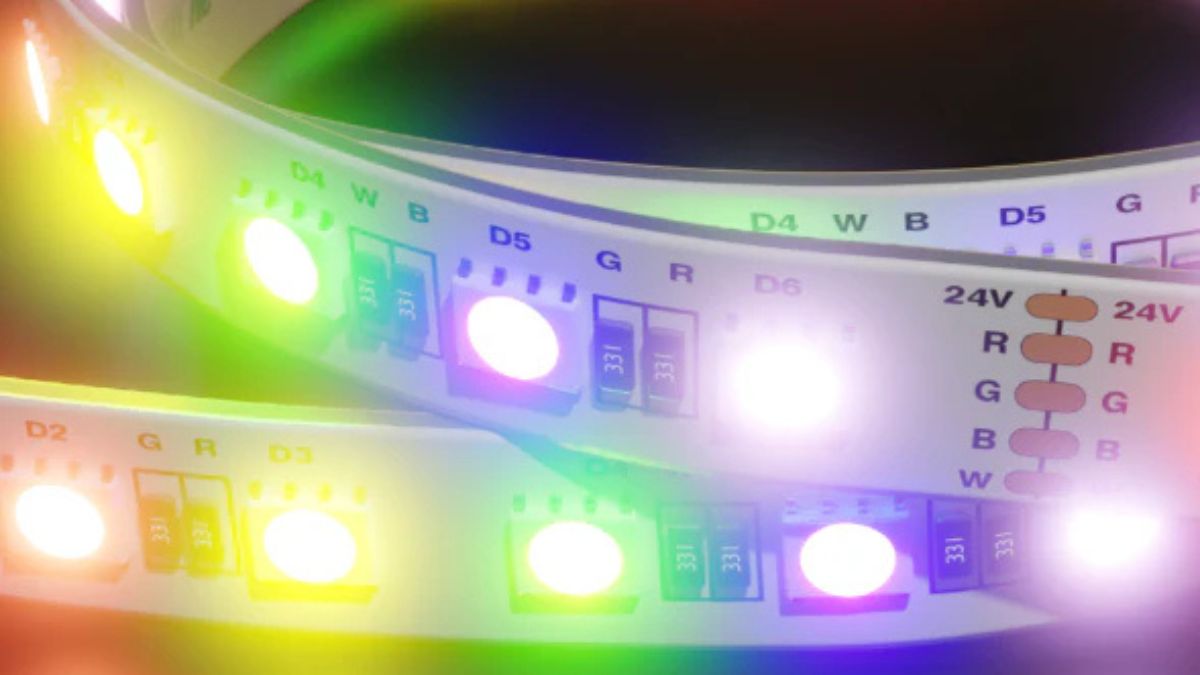
A Waterproof RGB LED Strip is a flexible strip of LEDs that can emit red, green, and blue light in various combinations to create millions of colors. Its waterproof design allows it to operate safely in damp or wet environments, making it ideal for outdoor or moisture-prone applications.
These LED strips are often coated with silicone or encased in a protective tube, preventing water damage while maintaining flexibility and brightness. When paired with a reliable Waterproof Power Supply, they deliver consistent performance without flickering, overheating, or short-circuiting.
Key Applications of Waterproof RGB LED Strips
Outdoor and Landscape Lighting
Waterproof RGB LED strips are perfect for illuminating gardens, pathways, patios, and fountains. Their flexible design allows for easy installation along curves and edges, while waterproof power supplies ensure safe operation even in rainy or humid conditions. The ability to change colors and set dynamic lighting modes enhances aesthetic appeal and creates vibrant outdoor environments.
Architectural and Façade Lighting
Architects and designers use waterproof RGB LED strips to accentuate building features, highlight columns, or add dynamic effects to facades. With a dependable waterproof power supply , these installations maintain consistent brightness and color accuracy, regardless of weather conditions.
Pools, Spas, and Water Features
Installing RGB LED strips around pools or inside water features requires a waterproof solution. The combination of a Waterproof RGB LED Strip with a durable waterproof power supply ensures safety and longevity while creating stunning visual effects for evening or night-time settings.
Commercial and Event Lighting
Waterproof RGB LED strips are widely used in restaurants, clubs, stage setups, and event venues. Dynamic color-changing effects enhance ambiance and customer experience. A waterproof power supply guarantees uninterrupted operation, even in high-humidity environments, reducing the risk of damage or failure.
Benefits of Using Waterproof RGB LED Strips with Waterproof Power Supplies
Enhanced Durability and Safety
Waterproof designs protect the LED strips and power supply from moisture, dust, and environmental damage. This reduces the risk of electrical failures, short circuits, and overheating, ensuring safe long-term operation.
Energy Efficiency and Cost Savings
LED technology consumes significantly less energy than traditional lighting. Combined with a high-quality waterproof power supply, these systems offer long-term savings on electricity while minimizing maintenance costs.
Customizable Lighting Effects
RGB LED strips provide millions of color options and programmable effects. When paired with a reliable power supply, they can maintain consistent color output and brightness, enhancing decorative, architectural, or entertainment lighting applications.
Versatility Across Applications
From outdoor landscapes to indoor commercial spaces, waterproof RGB LED strips powered by durable power supplies are highly adaptable. They can be cut to specific lengths, installed along curves, and synchronized with smart controllers for dynamic effects.
Why a Waterproof Power Supply Is Essential
The power supply is the backbone of any LED system. Using a high-quality Waterproof Power Supply ensures that your RGB LED strips receive stable voltage and current, preventing flickering, color inconsistency, or premature failure. In outdoor or wet environments, waterproof power supplies also protect against moisture and environmental hazards, extending the lifespan of your lighting installation.
Investing in a trusted waterproof power supply is critical for long-term reliability, especially for large-scale installations or environments exposed to water, humidity, or extreme temperatures.
Conclusion
Waterproof RGB LED Strips powered by durable Waterproof Power Supplies provide unmatched versatility, safety, and performance for both indoor and outdoor lighting applications. From architectural accents and landscapes to pools, commercial venues, and event lighting, this combination ensures vibrant colors, long-term reliability, and energy efficiency.
Choosing high-quality components and pairing them correctly guarantees not only a visually stunning result but also reduced maintenance costs and enhanced system longevity. By investing in a durable waterproof power supply and premium RGB LED strips, you can create captivating lighting environments that withstand the elements and deliver exceptional performance for years to come.
-

 FASHION2 years ago
Elegant Winter Party Style: Trendy Long-Sleeve Dresses and Essential Hair Care Tips
-

 HOME1 year ago
Weather Related Event Closings Explained
-

 FASHION2 years ago
Top Kids Clothing Trends for 2025 – What’s In Style This Year?
-

 TRAVEL1 year ago
Travel Tips for Visiting Korpenpelloz: What You Need to Know
-

 HOME2 years ago
Exploring the World of TG Tube: A Comprehensive Guide
-

 EDUCATION1 year ago
Can You Wear a Different Coloured Contact Lens in Each Eye? The Science Behind Mismatched Vision
-

 AUTOMOTIVE2 years ago
Mitsubishi Pajero 3.0 V6 – Specs, Performance & Guide
-

 BUSINESS2 years ago
HOW TO SHOP GOODWILL OUTLET STORE