
HOME
A Journey Through Time: The Fascinating Stories of North Fox Island

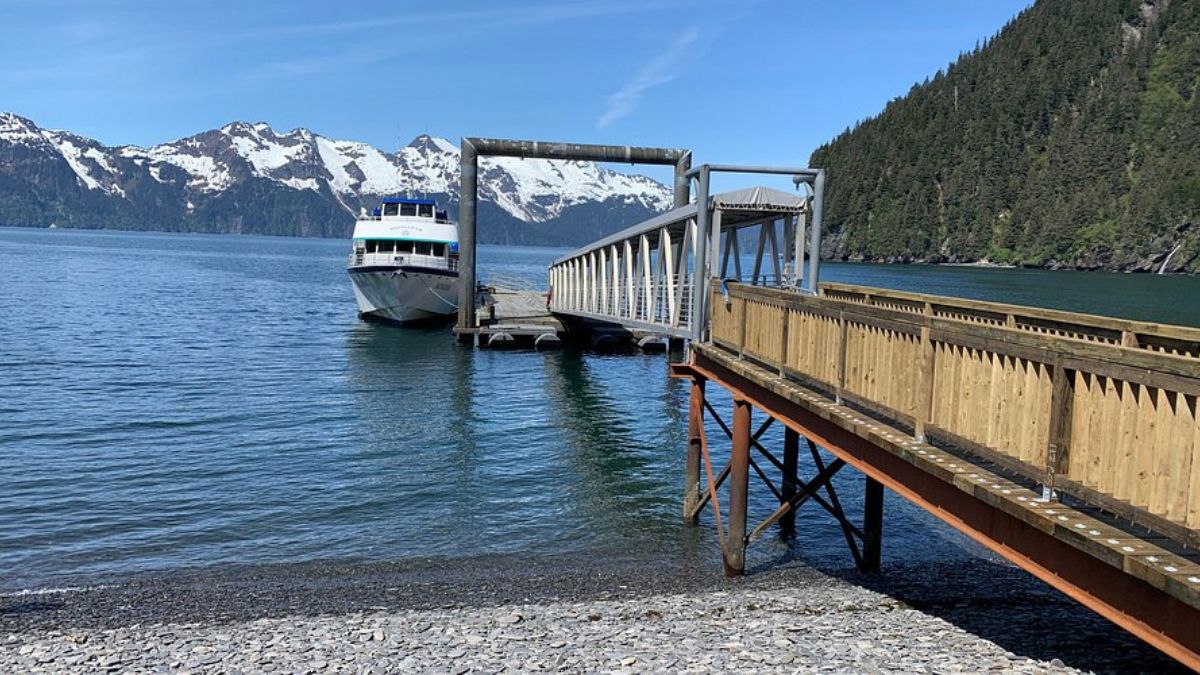
Nestled in the sparkling waters of Lake Michigan, North Fox Island is a hidden gem brimming with rich history and untold stories. This secluded paradise has long captured the imagination of adventurers, historians, and treasure hunters alike. Once a vibrant community teeming with life, it now stands as an enigmatic reminder of what once was. From mysterious disappearances to tales of buried treasures and shady dealings, North Fox Island offers a captivating glimpse into its past.
As we embark on this fascinating journey through time, prepare to uncover secrets that have lingered in the shadows for far too long. Each chapter reveals another layer of intrigue surrounding this small island—one that may just be waiting for you to explore its depths. Join us as we unravel the tales woven into the fabric of North Fox Island’s history!
The Mysterious Disappearance of the Native American Tribes
The history of North Fox Island is steeped in mystery, particularly concerning the Native American tribes that once thrived there. These communities lived harmoniously with nature, their cultural practices deeply intertwined with the land and water.
However, by the early 19th century, they began to vanish without a trace. Some theories suggest disease played a significant role, while others point to conflicts with settlers encroaching on their territory.
Oral traditions hint at ancient rituals and gatherings that took place on this serene island. The silence today feels almost haunting—a reminder of lives lived long ago but now lost in time.
Archaeological efforts have attempted to shed light on these elusive stories. Yet many questions remain unanswered about what truly happened to these resilient tribes who called North Fox Island home.
The Legend of the Hidden Treasure
Nestled within the whispers of North Fox Island’s past lies a captivating legend – one of hidden treasure. Local folklore suggests that pirates once roamed these shores, stashing their ill-gotten gains in secret locations across the island.
As tales go, a map was drawn to guide future seekers to this elusive bounty. Yet, it vanished with its creator, leaving behind only tantalizing clues scattered through the dense woods and sandy beaches.
Adventurous souls have come seeking gold and jewels ever since. Some claim to have found traces: rusted coins or shards of pottery from long-forgotten times. Others swear they’ve seen ghostly figures guarding their secrets beneath thick canopies.
The allure of buried riches continues to capture imaginations today. Each wave crashing against North Fox Island’s shores seems to carry hints of stories waiting to be unearthed. What might still lie undiscovered?
The Rise and Fall of the Lumber Industry on the Island
North Fox Island once thrived as a hub for the lumber industry. Towering trees blanketed its landscape, drawing early settlers and entrepreneurs eager to exploit this natural resource.
The 19th century marked a boom period. Mills sprang up along the shores, churning out timber that was shipped across the Great Lakes. The sounds of saws echoed through the air, while workers toiled tirelessly in pursuit of prosperity. It seemed like North Fox Island would flourish indefinitely.
However, unchecked logging practices soon took their toll. Deforestation stripped away precious resources faster than they could regenerate. As trees dwindled, so did opportunities for profit.
By the early 20th century, many mills closed down or relocated elsewhere in search of more abundant forests. The island fell silent again—its bustling past now just a whisper among rustling leaves and crashing waves against abandoned shorelines.
The Infamous History of North Fox Island as a Haven for Criminal Activity
North Fox Island has long been shrouded in tales of criminal escapades. Its remote location made it an ideal hideout for those looking to escape the law. The dense woods and secluded beaches offered cover, creating a perfect environment for illicit activities.
During the mid-20th century, reports surfaced about drug smuggling operations taking place on the island. Rumors ran rampant as whispers of clandestine gatherings filled local taverns. Those who ventured near often spoke of mysterious figures lurking in the shadows.
Additionally, North Fox Island became notorious for its connections to organized crime syndicates from nearby cities. This rugged landscape bore witness to numerous secretive meetings and exchanges that remain largely undocumented.
The combination of isolation and intrigue transformed North Fox Island into a legend among locals—a place where danger met opportunity under a veil of secrecy.
Discoveries and Controversies: Uncovering Secrets on the Island
North Fox Island is a treasure trove of secrets. Explorers and researchers have unearthed remnants that tell tales long forgotten. Artifacts from the Native American tribes offer glimpses into an ancient way of life, sparking curiosity about their sudden disappearance.
Controversies swirl around recent discoveries as well. Some locals claim that buried treasures still lie under the island’s sandy surface, waiting to be found. Others warn against digging too deep, fearing what else may come to light.
Environmentalists raise concerns about preserving these historical sites while balancing tourism interests. The tension between development and conservation fuels passionate debates among island residents.
With every excavation or scan of the shoreline, new narratives emerge, igniting excitement and fear alike. North Fox Island continues to be a place where history lingers in shadows and controversies shape its future path.
Current State and Future Possibilities for North Fox Island
Today, North Fox Island is a peaceful retreat. Nature has reclaimed much of the land, featuring stunning landscapes that attract hikers and birdwatchers alike. The island’s remote charm offers an escape from modern life.
However, its potential remains largely untapped. Some envision eco-tourism as a way to breathe new life into the area. With pristine beaches and dense forests, it could become a sustainable destination for nature lovers seeking solitude.
Yet challenges persist. Restoration efforts are needed to preserve historical sites while balancing conservation with tourism development. Community involvement will be crucial in shaping any future plans.
As discussions about revitalization continue, there’s hope for collaboration among stakeholders—local residents, environmentalists, and entrepreneurs—to create something truly special on North Fox Island without losing its unique essence.
Conclusion: Reflections on the Enigmatic
North Fox Island holds a unique place in history. Its stories are woven into the fabric of American folklore, filled with mystery and intrigue. The island whispers tales from its past, echoing through the trees and crashing waves.
The disappearance of Native American tribes adds an air of sadness to its narrative. What happened to those who once called this land home? Their absence remains a haunting reminder of the changes that swept across America.
Then there’s the legend of hidden treasure buried deep within its shores. This tantalizing story continues to lure adventurers, sparking imaginations and encouraging exploration. Who knows what treasures may still lie beneath the sand?
The lumber industry played a significant role in shaping North Fox Island’s economy at one time. However, as with many boomtowns, it experienced rise and fall—a cycle reflective of human endeavor and nature’s whims.
Moreover, the darker chapters reveal an infamous reputation for criminal activity. A haven for those seeking refuge or perhaps mischief has left scars on this seemingly tranquil spot.
Today, further discoveries continue to unfold on North Fox Island—each unearthing more questions than answers. Controversies arise as history is pieced together like fragments of a broken mirror reflecting its complex identity.
As we gaze upon North Fox Island today, we see both beauty and potential amidst remnants of turmoil. Whether it becomes a cherished destination for future generations or remains an enigma depends on how we choose to honor its legacy moving forward.
This journey through time reveals that every corner tells a tale worth exploring—a tapestry rich in culture yet shadowed by mystery awaits all who dare venture here.

Why Local Weather Matters
Roofs in St. Charles County work through changing conditions all year, from summer thunderstorms and hail to winter ice and repeated temperature swings. A routine roof inspection St Charles County, MO, can help property owners notice loose materials, drainage concerns, worn sealants, and signs of moisture before a small issue becomes a disruptive leak.
Not every problem is immediately visible from a driveway. Wind can loosen a shingle without removing it, hail can leave subtle marks, and water may enter around a flashing detail before a ceiling stain appears. Treating roof care as a planned responsibility is usually more manageable than waiting for an emergency.
Local severe-weather alerts are worth taking seriously. In the St. Louis warning area, a severe thunderstorm warning can involve wind gusts of at least 58 mph or hail at least one inch in diameter, conditions that can damage roofs, siding, trees, and vehicles. Reviewing the local warning criteria helps residents understand why a post-storm check is sensible even when damage is not obvious.
Seasonal Roof Risks to Watch
Each season creates a different maintenance priority for homes in St. Charles, O’Fallon, St. Peters, Wentzville, Lake St. Louis, and nearby communities.
- Winter: Watch for ice buildup near eaves, blocked gutters, interior condensation, and water stains. When snowmelt refreezes at a cold roof edge, water can back up beneath roofing materials.
- Spring: Check for wind-lifted shingles, fallen limbs, clogged downspouts, and leaks exposed by persistent rain.
- Summer: Look for hail marks, damaged flashing, storm debris, and materials affected by prolonged heat and sunlight.
- Fall: Remove leaves from gutters and valleys, trim overhanging limbs, and address repairs before colder conditions limit work windows.
Ice dams deserve particular attention after winter weather. University of Missouri Extension explains that pooled meltwater behind an ice dam can move beneath roof coverings and enter attic or wall areas, so recurring icicles and interior moisture should not be ignored.
A Safe Inspection Checklist
Most property owners can perform a useful visual review from the ground, from windows, and from inside the attic. Avoid climbing onto a roof without proper training, fall protection, and safe access equipment.
- Look for missing, cracked, curled, lifted, or visibly displaced shingles.
- Check rooflines for sagging, uneven areas, or loose fascia and trim.
- Inspect visible flashing around chimneys, vents, skylights, and wall intersections.
- Look for leaves, granules, roofing pieces, or standing water in gutters and downspouts.
- Check attic spaces and upper floors for damp insulation, musty odors, dark marks, peeling paint, or daylight.
- Note branches that touch the roof or hang directly over it.
Take dated photos during each review. Comparing images from season to season can reveal whether a stain, shingle edge, or drainage concern is changing.
What to Do After a Storm
After high winds, hail, heavy rain, or a fallen branch, personal safety comes first. Stay away from downed utility lines, damaged electrical equipment, sagging ceilings, and unstable parts of the structure.
- Walk the property from a safe location and look for obvious openings, debris, and water entry.
- Move furniture, electronics, and stored belongings away from active leaks when it is safe to do so.
- Photograph visible damage before extensive cleanup begins.
- Use temporary protection only when it can be installed safely and without entering a hazardous area.
- Contact an insurance representative when the event may be covered.
- Arrange a qualified inspection for damage that cannot be assessed from the ground.
A temporary covering may reduce further water intrusion, but it does not establish the full repair scope. A later assessment can determine whether the roof needs a localized repair, a larger section replacement, or a complete replacement.
Residential and Commercial Roof Care
Homes and commercial buildings require the same basic goal, keeping water outside the structure, but their maintenance details differ. Residential roofs often involve shingles, attic ventilation, gutters, and sloped drainage. Commercial roofs may have broad membrane surfaces, rooftop equipment, seams, internal drains, scuppers, and areas exposed to maintenance foot traffic.
- Homes: Focus on shingles, flashing, gutters, ventilation, attic moisture, and tree contact.
- Commercial buildings: Track drains, seams, penetrations, equipment curbs, walk pads, and ponding water.
- Property managers: Keep reports, photographs, invoices, warranty details, and repair dates in one accessible file.
Building a Practical Maintenance Plan
A useful plan does not need to be complicated. Schedule visual checks at least twice each year, commonly in spring and fall, and add a review after major storms or tree damage.
- Record the roof’s approximate age, material, prior repairs, and known concerns.
- Clear gutters, downspouts, drains, and scuppers so water has a usable path away from the building.
- Prioritize flashing, seams, vents, skylights, and other roof penetrations during every review.
- Address small defects promptly, before water affects insulation, decking, ceilings, or interior finishes.
- Update photos and notes after repairs, storms, or any change in roof condition.
Repair or Replace?
The right choice depends on the roof’s age, material condition, the source of the problem, and whether damage is isolated or widespread. A small flashing gap or limited shingle damage may be repairable. Repeated leaks, broad material deterioration, sagging decking, or multiple failed areas may justify a replacement discussion.
Questions to Ask Before Approving Work
- Is the damage confined to one area or spread across the roof?
- Has the same leak returned after earlier repairs?
- Has water affected the attic, insulation, walls, or ceilings?
- Would a repair provide a durable solution for the roof’s current condition?
- Do local codes, warranty terms, or insurance requirements affect the scope?
Common Questions About Roof Care
How often should a roof be checked?
Check it at least twice a year and after significant wind, hail, heavy rain, or falling debris. Older roofs and heavily treed properties may benefit from closer observation.
Can a roof leak without a ceiling stain?
Yes. Water can travel along framing, roof decking, insulation, or other building materials before becoming visible indoors. Attic odors, damp insulation, or dark marks can provide earlier clues.
Should gutters be part of roof maintenance?
Yes. Gutters and downspouts help direct water away from the roof edges and the building. Blockages can cause overflow and leave moisture against vulnerable materials.
What records should be kept?
Save dated photos, inspection findings, invoices, warranty information, repair descriptions, and insurance correspondence. A clear history supports maintenance planning and helps explain past work when the property changes hands.
Final Thoughts
For St. Charles County property owners, roof care is most effective when it is regular, practical, and safety-focused. Keep drainage paths clear, inspect visible details seasonally, document storm damage promptly, and respond to warning signs before they turn into interior damage. Consistent attention can help protect both homes and commercial properties through every Missouri season.
HOME
How to Solve the Challenge of Sourcing Complex, Wear-Resistant Components With Moody Corporation

Complex wear components are easier to source when design support, material decisions, deposition, machining, inspection, and testing are planned as a single, integrated manufacturing process. For organizations preparing a request for custom stellite parts, Moody Corporation offers an integrated path from early technical review through completed components.
That integrated approach matters because Stellite alloys are selected for demanding service conditions, yet the same characteristics that make them useful can also make fabrication and finishing more challenging. A successful project begins with a clear understanding of the part’s operating environment, critical geometry, and acceptance requirements.
Why Are Custom Stellite Parts Difficult to Source?
Stellite is a trademarked family of cobalt-based alloys associated with wear-resistant applications. The family includes different compositions, so the label alone does not determine whether a particular grade, overlay, or component design is appropriate. As explained in this overview of cobalt-chromium alloys designed for wear resistance, these materials may be used where wear, corrosion resistance, elevated temperature, or a combination of conditions must be considered.
Problems often arise when design, hardfacing, machining, and inspection are divided among several suppliers. The deposition provider may not reach a geometry change. Machining allowances may not reflect the overlay plan. Inspection criteria can be interpreted differently at each step. Each handoff introduces another opportunity for delay or conflicting assumptions.
How Does Moody Corporation Solve the Custom Parts Challenge?
Moody Corporation positions itself as a full-service component manufacturer for short- to medium-production requirements. Rather than functioning solely as a machine shop, the company can review project requirements, assist with design, apply specialized weld metal deposition, fabricate components, CNC machine close-tolerance features, assemble parts as needed, and test finished work.
For the buyer, the value is practical. Early review can identify manufacturability concerns before production begins. Deposition, fabrication, and machining can be sequenced around the approved geometry. The customer works with one primary manufacturing partner rather than coordinating multiple vendors for interdependent operations.
What Can Moody Corporation Handle for a Custom Request?
- Design assistance: Reviews part geometry, service needs, and production considerations before work starts.
- Engineering support: Helps connect material and process decisions to the operating problem the component must address.
- Weld-metal deposition: Applies specialized hardfacing or weld-overlay materials where the part requires a wear-resistant surface.
- Fabrication: Produces component structures and assemblies in accordance with the approved design.
- CNC machining: Creates final dimensions, close-tolerance features, and fit-critical surfaces.
- Assembly and testing: Supports projects requiring completed assemblies, verification, and defined acceptance steps.
Why Do Design and Engineering Matter Before Machining?
Part quality is influenced well before the first cutting operation. Transitions, internal features, access for deposition, stock allowance, finish requirements, and inspection locations all affect the production plan. A design review helps determine whether the intended geometry can be fabricated, surfaced, machined, and inspected in a consistent sequence.
Wear analysis is equally important. Buyers should identify whether the leading concern is abrasion, erosion, sliding wear, galling, corrosion, cavitation, thermal cycling, or a combination of these conditions. Temperature, pressure, motion, contact load, fluid chemistry, and abrasive media can all affect the material and process choices. Manufacturing quality also depends on measurement and control, which are recognized areas within modern manufacturing research and practice.
How Does Moody Corporation Control Quality?
Quality should be treated as a controlled process, not only a final inspection event. A well-defined project includes drawing and specification review, material identification, overlay requirements, dimensional tolerances, surface-finish expectations, inspection points, testing needs, and documentation requirements.
Moody Corporation states that its work is manufactured under a stringent QA/QC plan designed and routinely audited in accordance with NCA-3800 and NQA-1 requirements for commercial nuclear services. That statement indicates a structured quality approach, but buyers should confirm the exact quality program, records, certifications, and acceptance criteria required for their individual order.
Which Applications May Be a Good Fit for Moody Corporation’s Services?
Integrated Stellite and weld-overlay manufacturing may be relevant for components used in power generation, industrial valves and flow-control equipment, oil and gas systems, industrial processing, specialty machinery, and commercial nuclear service. These applications can involve combinations of heat, wear, corrosive media, erosion, or metal-to-metal contact.
Suitability always depends on the actual component, service environment, and specification. A technical review is necessary to determine whether a particular alloy, deposition method, base material, geometry, and inspection plan are appropriate for the intended use.
How Should a Buyer Prepare a Custom Stellite Parts Request?
A complete request helps Moody Corporation evaluate the project efficiently. Include the following information whenever available:
- Part drawings, models, sketches, photographs, or samples.
- Required quantity, desired delivery schedule, and expected future demand.
- Base material and requested Stellite grade or hardfacing specification, if known.
- Operating temperature, pressure, media, load, speed, and motion conditions.
- Known failure mode, including photographs or maintenance history for worn parts.
- Critical dimensions, tolerances, surface finishes, and mating-part details.
- Deposition, machining, assembly, testing, traceability, certification, and shipping requirements.
What Should Buyers Compare When Evaluating Suppliers?
- Design capability: Can the supplier help identify manufacturability concerns before production?
- Deposition capability: Can the supplier manage the specified hardfacing or weld overlay and machine the finished surface?
- Production scope: Can the supplier fabricate, machine, assemble, test, and document the completed component?
- Run-size fit: Can the supplier support the required short- or medium-production quantity?
- Quality alignment: Can the supplier meet the project’s expectations for inspection, traceability, and documentation?
Frequently Asked Questions
Does Moody Corporation only provide CNC machining?
No. Moody Corporation describes a broader manufacturing scope that includes design assistance, engineering, weld-metal deposition, fabrication, CNC machining, assembly, testing, and quality control.
What should be included in a quote request?
Provide the best available drawings or models, quantity, service conditions, material requirements, critical tolerances, surface-finish expectations, inspection requirements, and required documentation.
Can a Stellite solution be selected from the alloy name alone?
No. The alloy or overlay decision should be reviewed against the service conditions, base material, geometry, wear mechanism, and performance requirements of the finished component.

Choosing a place to live in Rockville, Maryland is about more than finding an attractive kitchen, an extra bedroom, or a favorable price point. The best fit is usually the neighborhood that makes ordinary weekdays easier, from getting to work and buying groceries to walking the dog, visiting family, or finding a quiet place to recharge. Once you have a realistic picture of what daily life needs to look like, browsing Rockville homes for sale can become more focused. Argent ERA is an ERA Real Estate franchise serving clients across Maryland, Washington, D.C., and Northern Virginia, and its Rockville property search page includes homes, townhomes, and condos that can be filtered against the priorities that matter most to your household.
Start With the Routine, Not the Floor Plan
Before touring homes, write down the trips and activities that happen in a typical week. Include commuting, school drop-offs, grocery runs, medical appointments, fitness classes, dining out, religious services, and regular visits with friends or relatives. A neighborhood that supports those repeated trips can feel more valuable over time than one that makes a strong first impression. Think about the schedule behind each trip. A household that leaves early for work may care about a straightforward drive or an easy transit connection. Someone who works mostly from home may prioritize sidewalks, nearby lunch options, parks, and a comfortable home office. Buyers with children, pets, or multigenerational needs may place greater importance on usable outdoor space, parking, storage, and access to services.
Compare Commutes Before Comparing Closets
Distance alone does not tell the full story of a commute. Compare the complete door-to-door trip, including time spent walking to a station, finding parking, waiting for transit, transferring, or traveling from a garage to the office. Test the route during the hours you would normally use it, rather than relying on a map estimate from a quiet weekend afternoon. Rockville buyers may have several transportation preferences to weigh, including driving, Metrorail, buses, biking, walking, and hybrid work schedules. Even if you expect to drive most days, access to transit can add flexibility for an occasional office trip, a night out, or a household with more than one commuter.
Questions to Ask During a Commute Test
- How long does the trip take at the time you would actually leave?
- Is the route comfortable in poor weather or after dark?
- What is the parking situation at home, at the station, and at the destination?
- Would the trip still work if one household vehicle were unavailable?
- How much time would this location add to recurring errands?
Match the Housing Style to How You Will Use It
Rockville includes a variety of housing types, each supporting a different version of daily life. A condominium may appeal to buyers who want less exterior upkeep and prefer a lock-and-leave routine. A townhome can provide multiple levels and more room while keeping private outdoor maintenance relatively limited. A detached home may better suit buyers who need a larger yard, more storage, or flexible space for hobbies, guests, and changing household needs. Age and condition also deserve careful attention. Older homes can offer established streets, mature landscaping, and renovation possibilities, but buyers should understand the condition of major systems and plan for maintenance. Newer homes may have layouts and features aligned with contemporary preferences, although no home should be assumed to be maintenance-free. During every showing, consider where work, sleep, storage, entertaining, exercise, and everyday mess will realistically happen.
Look Beyond the Property Line
The blocks surrounding a home are included in the purchase. Sidewalks, street lighting, traffic speed, nearby parks, local shops, road noise, and available parking can influence how the home feels on an ordinary Tuesday. A smaller home near places you use frequently may be more practical than a larger one that turns every errand into a longer trip. Visit promising areas more than once. Try a weekday morning, an evening, and a weekend visit. Listen for traffic and delivery activity, observe pedestrian movement, and notice whether guests would have a convenient place to park. If you enjoy walking, follow the route you would take to a park, coffee shop, grocery store, or transit stop rather than judging walkability from a listing description.
Build a Simple Neighborhood Scorecard
Use the same scorecard for every neighborhood and property. The goal is not to turn a home search into a formula. It is to keep one beautiful room or memorable front yard from overshadowing issues that will affect your life every week.
- Rate commute convenience from one to five.
- Rate access to groceries, health care, recreation, and other daily services.
- Rate how well the home type fits your space, maintenance, and privacy needs.
- Rate sidewalks, parks, outdoor space, and opportunities for movement.
- Rate noise, traffic, parking, and comfort at different times of day.
- Estimate the maintenance workload, including exterior care and potential repairs.
- Write down unanswered questions before deciding whether to make an offer.
Plan for Hybrid Work and Future Changes
For remote and hybrid workers, a home should be evaluated as both a residence and a workplace. Check whether there is a room that can support calls without disrupting the household, whether natural light and noise levels are comfortable, and whether internet and cell service work where you expect to work. A short commute can still matter when in-person days return or schedules change. Also consider what may change around the home. A proposed project, roadway improvement, or redevelopment plan is not the same as a completed project. Buyers can review the city’s development review process to understand how applications, public meetings, and decisions are handled. Focus on confirmed details, including the project’s status, approvals, and likely construction impacts, rather than treating early conversations or rumors as guarantees.
Include Schools, Services, and Household Flexibility
Families should confirm school information directly instead of assuming that the nearest campus serves a particular address. The Montgomery County Public Schools School Assignment Tool allows users to check an address against current assignment information. Child care, medical care, senior services, libraries, and community programs may also deserve a place on your scorecard. Finally, ask whether the home can accommodate foreseeable changes. That might mean a new baby, a teenager needing privacy, a parent visiting for extended periods, a roommate, a pet, or a home-based business. No property can anticipate every future need, but a thoughtful review can reveal whether the home offers options rather than limitations.
Common Questions About Choosing a Rockville Neighborhood
What should buyers compare first?
Start with budget, commute needs, preferred home type, and access to daily services. These criteria typically narrow the search more effectively than cosmetic features.
Is a walkable neighborhood always the best choice?
No. Walkability can be important, but some buyers may prioritize a larger yard, quieter streets, easier parking, or more interior space.
How many neighborhood visits are enough?
At least two visits are helpful, ideally on both a weekday and a weekend. A third visit during a likely commute period can provide a more complete picture.
Make the Choice That Supports Everyday Life
The right Rockville neighborhood is not identical for every buyer. A strong decision balances transportation, home design, nearby services, outdoor needs, and the realities of a household’s schedule. By testing routines, visiting at different times, and using a consistent scorecard, buyers can choose a home that works well long after the excitement of the first tour has passed.
Conclusion
Choosing the right place to live in Rockville means looking beyond the home’s appearance and considering how well the neighborhood supports everyday routines. Commute times, transportation options, housing style, parking, nearby services, maintenance needs, and future household changes can all influence long-term satisfaction. By visiting neighborhoods at different times, testing important routes, comparing total costs, and using a simple scorecard, buyers can make a more practical decision. The goal is to find a Rockville home that fits the household’s budget, lifestyle, and future needs while making everyday life more convenient and comfortable.
-

 FASHION2 years ago
Elegant Winter Party Style: Trendy Long-Sleeve Dresses and Essential Hair Care Tips
-

 HOME2 years ago
Weather Related Event Closings Explained
-

 FASHION2 years ago
Top Kids Clothing Trends for 2025 – What’s In Style This Year?
-

 HOME2 years ago
Exploring the World of TG Tube: A Comprehensive Guide
-

 TRAVEL2 years ago
Travel Tips for Visiting Korpenpelloz: What You Need to Know
-

 EDUCATION2 years ago
Can You Wear a Different Coloured Contact Lens in Each Eye? The Science Behind Mismatched Vision
-

 NEWS2 years ago
Brad Dummer Obituary Pecatonica IL : Honoring a Beloved Community Member in Pecatonica IL
-

 AUTOMOTIVE2 years ago
Mitsubishi Pajero 3.0 V6 – Specs, Performance & Guide