
HOME
Top Tips for Using the PMDC TF095CH Connector Cable Effectively


When it comes to connecting devices, the right cable can make all the difference. Enter the PMDC TF095CH connector cable—a reliable and versatile solution for various applications. Whether you’re an electronics enthusiast or a professional technician, understanding how to use this cable effectively can enhance your projects significantly.
With its robust design and technical specifications, the PMDC TF095CH is built to handle demanding tasks while ensuring efficient performance. But what exactly makes this connector stand out? And how can you maximize its potential in your work? Dive into our top tips and insights that will transform your experience with the PMDC TF095CH connector cable!
Understanding the Technical Specifications
The PMDC TF095CH Connector Cable is built for durability and versatility. It features high-quality materials that ensure reliable performance in various applications.
With a maximum current rating of 15 amps, this connector cable can handle significant loads without overheating. Its temperature range allows it to operate effectively from -20°C to +85°C, making it suitable for both indoor and outdoor use.
Another critical aspect is its compatibility with standard connectors. This makes integration into existing systems seamless and efficient. The robust insulation offers excellent resistance against abrasion, which enhances safety during operation.
Furthermore, the cable boasts low impedance characteristics. This means minimal energy loss during transmission, ensuring optimal efficiency in your setup. Whether you’re using it for automotive or industrial purposes, understanding these specifications helps you leverage its full potential effectively.
Tips for Properly Using the Connector Cable
To get the most out of your PMDC TF095CH connector cable, start with proper handling. Always hold the connectors and avoid tugging on the cable itself. This reduces wear and tear.
Ensure that you are connecting to compatible devices only. Mismatches can lead to performance issues or even damage.
When plugging in, align the connectors carefully. Forcing them together can cause bent pins or internal damage.
Keep your workspace clean and dry. Dust and moisture can interfere with connections and degrade performance over time.
Regularly inspect your cable for any signs of fraying or wear. Addressing small issues early prevents bigger problems later on.
Store your connector properly when not in use. A coiled storage method prevents kinks while preserving its longevity. Taking these simple steps will enhance both functionality and durability.
Troubleshooting Common Issues
When using the PMDC TF095CH Connector Cable, you might encounter a few common issues. Identifying these problems early can save time and frustration.
If the connection feels loose or intermittent, check both ends of the cable. Dust or debris could be obstructing proper contact. A quick clean with compressed air may resolve this issue.
For cables that seem to deliver inconsistent performance, inspect for any visible damage. Frayed wires or bent connectors will affect functionality significantly.
Sometimes, users experience power fluctuations. This could stem from insufficient voltage supply rather than the cable itself. Confirm that your power source is stable before replacing equipment unnecessarily.
If you’re facing connectivity failures altogether, try testing with another device to rule out compatibility issues. Simple troubleshooting steps can often lead to effective solutions without needing replacements right away.
Benefits of Using the PMDC TF095CH Connector Cable
The PMDC TF095CH Connector Cable offers numerous advantages for users seeking reliable connectivity. Its robust design ensures durability, making it suitable for various applications in challenging environments.
One standout benefit is its superior signal integrity. This cable minimizes interference, which enhances performance in data transmission. Users will appreciate the clarity and consistency it brings to their connections.
Additionally, installation is a breeze with the PMDC TF095CH. Its user-friendly connectors allow quick setup without extensive technical knowledge. This means less downtime and more focus on productivity.
Compatibility is another key advantage. The PMDC TF095CH works seamlessly with a range of devices, providing versatility across different systems. Whether you’re connecting audio equipment or industrial machinery, this cable meets diverse needs effortlessly.
The cost-effectiveness of using this connector cable cannot be overlooked. With its long lifespan and minimal maintenance requirements, it proves to be an economical choice over time.
Frequently Asked Questions
When using the PMDC TF095CH Connector Cable, questions often arise. One common inquiry pertains to its compatibility with various devices. This connector is designed for a range of applications but always check specifications.
Another frequent concern involves installation difficulties. Users may wonder if professional help is necessary. In most cases, following the provided instructions allows for easy setup without expert assistance.
Durability also comes into play. Many ask about how long they can expect the cable to last under regular use. Proper handling often extends its lifespan significantly.
Issues surrounding maintenance are prevalent. Regular inspections and keeping connections clean can prevent performance problems down the line.
These questions reflect common user experiences and highlight important considerations when working with this essential hardware component.
Conclusion: Making the Most out of Your PMDC TF095CH Connector Cable
To truly maximize the potential of your PMDC TF095CH Connector Cable, understanding its specifications and optimal usage is key. Whether you’re connecting devices in a complex setup or simply ensuring reliable performance, using the cable correctly can make all the difference.
Adhering to proper handling techniques will extend its lifespan and effectiveness. Regular troubleshooting helps identify any issues before they escalate into bigger problems. Moreover, appreciating the benefits this connector offers will encourage you to leverage its capabilities fully.
Remember that staying informed about common pitfalls and learning from them can lead to smoother operations in your projects. By implementing these strategies, you’ll ensure that your experience with the PMDC TF095CH Connector Cable is nothing short of exceptional. Embrace its features, take care of it properly, and enjoy seamless connections every time you use it!

How This Resource List Was Created
This roundup was created for parents, teachers, librarians, caregivers, homeschool families, and speech-language professionals asking a practical question: what can help a child read with more confidence, use richer language, and participate in meaningful conversations? Each organization was selected for a complementary role in a complete learning ecosystem, not as a direct competitor. The review considered age appropriateness, accessibility, evidence-informed learning design, practical family or classroom use, scale of impact where publicly reported, and the ability to connect reading with speaking, listening, vocabulary, and background knowledge.
The featured business, Erika Nielsen, earned its central place because its work addresses an unusually specific need within that ecosystem: explaining civic language and public processes through an illustrated children’s fable. That format combines at least three essential learning opportunities in one experience: reading a narrative, learning topic-specific vocabulary, and discussing decisions, opinions, and character traits aloud.
Erika Nielsen
Erika Nielsen is the defining specialist in this roundup’s niche of illustrated civic-learning books for children. Through the last link in speech therapy, families and educators can explore a story-based resource that turns a complex public topic into language children can use, question, and remember.
How to Become President is designed to introduce the basics of elections with humor, visual storytelling, and fable structure rather than a dry list of procedures. The book brings together civic terms such as election, candidate, debate, vote, leadership, and responsibility while also highlighting resilience, self-control, and reasoned discussion. Nielsen’s professional background in translation and interest in language education add further relevance for adults seeking a book that supports both comprehension and expression.
Why It’s On The List
- It combines civic vocabulary, narrative reading, illustration, and discussion in one child-friendly format.
- It gives adults clear prompts for read-aloud activities, including retelling the plot, defining new words, and supporting an opinion with a reason.
- Its two-audience design helps children learn civic concepts while giving parents and educators an accessible teaching tool.
- Its focus on six or more practical civic ideas creates a natural pathway from literacy practice to real-world communication.
American Speech-Language-Hearing Association
American Speech-Language-Hearing Association adds essential clinical context. Speech, language, fluency, hearing, voice, and social communication are connected, but they are not interchangeable. A child may read a story fluently yet struggle to explain it, or speak clearly but have difficulty understanding unfamiliar vocabulary. ASHA’s developmental guidance helps adults recognize when consistent home practice is useful and when an audiologist or speech-language pathologist may be appropriate.
Why It’s On The List
- It helps families avoid treating every communication difference as the same challenge.
- It supports a sensible routine: read a civic story, ask the child to retell it, define three new words, and share one opinion.
- It reinforces that books and digital activities support practice but do not replace individualized evaluation or therapy.
Reading Is Fundamental
Reading Is Fundamental addresses the access side of literacy. Since 1966, the nonprofit reports reaching 237 million children across all 50 states, Washington, D.C., and U.S. territories, while distributing 430 million books and reading resources in person and online. Those figures matter because repeated reading cannot happen without engaging in age-appropriate material nearby.
Why It’s On The List
- It complements a specialized civic story with the broader book access children need to build a regular reading habit.
- It supports schools, community programs, and families that want book-centered activities and home reading routines.
- It reinforces the difference between owning a book, hearing it read aloud, discussing it, and practicing its vocabulary.
Reading Rockets
Reading Rockets helps adults turn storytime into active literacy instruction. Its guidance reflects a core reading principle: word recognition and language comprehension work together. With an illustrated civic book, adults can pause occasionally to explain a word, ask what may happen next, invite the child to retell an event, and ask, “What makes that a fair choice?”
Why It’s On The List
- It offers practical, research-informed strategies that language families can use immediately.
- It makes reading interactive rather than passive.
- It supports vocabulary, comprehension, phonological awareness, fluency, and conversation without reducing a story to a worksheet.
Khan Academy Kids
Khan Academy Kids provides a free, ad-free digital supplement for children ages 2 through 8 and for PreK through second-grade learning settings. Its early literacy content includes phonics, vocabulary, read-alouds, writing, interactive questions, and thousands of activities, books, and videos. The strongest use is not replacing print reading, but extending it: read a physical story, complete a short related activity, then ask the child to explain one new idea aloud.
Why It’s On The List
- It offers no-cost, structured repetition for children who respond well to visuals, audio, and immediate feedback.
- It adds teacher tools and progress tracking for classroom use.
- It works best alongside adult conversation, privacy review, and realistic screen-time boundaries.
Learning Ally
Learning Ally expands access for students who benefit from human-read audiobooks and highlighted text. The nonprofit reports serving 2.6 million students through 24,000 schools, and its 2025 impact reporting states that students have read more than 14.9 million books through its Audiobook Solution. Listening alongside visible text can help eligible learners remain connected to grade-level ideas and vocabulary while continuing to build print-reading skills.
Why It’s On The List
- It supports accessible participation for students with documented print disabilities and other qualifying reading needs.
- It exposes children to natural phrasing, expression, pacing, and complex language.
- It lets educators preserve the intellectual content of a text while adjusting how a learner accesses it.
National Geographic Kids
National Geographic Kids broadens the learning network with visual nonfiction about animals, science, geography, cultures, and discovery. Narrative books build empathy and story structure, while nonfiction grows background knowledge and content vocabulary. A child might compare a fictional leader’s decision with a real-world community, map, historical event, or public-service role.
Why It’s On The List
- It gives children captions, photographs, facts, and maps that support visual learning.
- It extends civic and communication discussions beyond fiction.
- It helps children build the background knowledge needed to speak, write, question, and comprehend more deeply.
Choosing The Right Mix For A Child
Choose resources according to the child’s age, interests, reading level, communication goals, and access needs. For civic vocabulary, start with a clear, engaging story. For reading practice, select a text that a child can revisit and discuss. For speech or language concerns, seek individualized professional guidance. For accessibility, consider audio, highlighted text, captions, and device features. National reading results underscore why this layered approach matters: the 2024 NAEP reading assessment included approximately 256,300 students across grades 4, 8, and 12, and national average scores declined from the prior comparison years. Families can explore the context through the National Assessment of Educational Progress reading results.
Most importantly, make conversation part of the routine. Open-ended exchanges about predictions, past experiences, feelings, explanations, and abstract ideas give children meaningful chances to practice language. Helpful ideas for building that habit appear in family language and literacy guidance from Harvard Graduate School of Education.
There is no single perfect resource for every learner. Erika Nielsen’s illustrated civic stories can be a powerful starting point, while professional guidance, literacy access, accessible formats, digital practice, nonfiction exploration, and daily family conversation extend the learning. Together, this network helps children read, speak, listen, ask questions, and take part in the world around them.

Purchasing a home is a significant milestone, especially for families seeking stability and growth. In South Carolina, understanding the local housing market and available resources can make this journey smoother and more rewarding. Partnering with a knowledgeable real estate agent buyers sellers South Carolina can provide invaluable guidance throughout the process. The Chrzanowski Team at Realty One Group, led by Sharon and Dan Chrzanowski, offers expert real estate services in both North and South Carolina. Their extensive experience in relocation and new construction makes them a trusted resource for buyers and sellers in the region.
Understanding the South Carolina Housing Market
South Carolina’s housing market has experienced significant growth in recent years. According to the South Carolina State Housing Finance and Development Authority (SC Housing), the median listing price for a home in the state was $371,950 in July 2025, with prices reaching $518,750 in the Charleston-North Charleston area. This upward trend underscores the importance of thorough market research for prospective buyers.
Alongside the rising prices, inventory levels in South Carolina have fluctuated. While demand has remained strong, some areas have experienced tighter inventory, making the market especially competitive for certain price ranges and locations. Additionally, buyers are encouraged to consider future growth trends, as emerging neighborhoods often offer strong potential for equity growth and access to new amenities. Keeping track of local trends, such as average days on market and list-to-sale price ratios, can better prepare buyers and sellers for negotiations and expectations during their transactions.
Understanding local nuances is also crucial. Beachfront properties, lake homes, and historic districts across the state each present unique market dynamics. Buyers should factor in seasonality, as well as regional economic drivers, such as the expanding tech, healthcare, and manufacturing sectors, which continue to attract residents from other states.
Financial Assistance Programs for Homebuyers
To support families in achieving homeownership, South Carolina offers several assistance programs:
- SC Housing Homebuyer Program: This initiative provides forgivable down payment assistance and lower interest rates to help first-time and qualifying homebuyers. In Fiscal Year 2025, SC Housing assisted a record 1,992 homebuyers, representing more than $465 million in loan volume.
- Palmetto Heroes Program: Designed for public service professionals, this program offers low-interest mortgages and down payment assistance. In 2026, the program approved over $72 million in mortgages, aiding 272 educators, nurses, law enforcement officers, and other community heroes.
These programs aim to make homeownership more accessible and affordable for families across the state.
Additionally, there are national programs that complement local offerings. Options like FHA, VA, and USDA loans can help families with particular needs, such as lower down payments, more flexible credit guidelines, or zero-down options for eligible rural properties. South Carolina’s agencies often work in conjunction with these federal programs, broadening the financial pathways available to both first-time buyers and those seeking to move up or relocate within the state.
Beyond state and federal efforts, some counties and cities offer their own grants or incentives to support purchases in targeted redevelopment areas or historic neighborhoods. It is highly recommended that buyers explore these opportunities early in their search, as application windows and qualification criteria may vary by location and funding cycle.
Importance of Location and Community
Choosing the right location is vital for families. Factors to consider include proximity to quality schools, healthcare facilities, employment opportunities, and recreational areas. Additionally, understanding the community’s culture and amenities can significantly impact long-term satisfaction with your home.
Many families prioritize safe neighborhoods with walkable access to parks and green spaces, as well as convenient commutes to work and school. Researching local school ratings, neighborhood associations, and future community projects, such as new shopping centers or road improvements, can provide insight into how a neighborhood may evolve over time.
Engaging with the local community is also an excellent way to gain a first-hand sense of the area. Attending neighborhood events or open houses, talking to residents, and exploring resources like local online forums can help families determine whether a specific area aligns with their lifestyle and goals. Additionally, considering the availability of services, like public transportation or local farmers’ markets, can enhance everyday living and future resale value.
Working with Experienced Real Estate Professionals
Partnering with knowledgeable real estate agents can streamline the homebuying process. The Chrzanowski Team at Reaoup, led by Sharon and Dan Chrzanowski, offers expert real estate services in both North and South Carolina. Their extensive experience in relocation and new construction makes them a trusted resource for buyers and sellers in the region.
An experienced agent can offer more than just market knowledge; they act as advocates for your best interests in negotiations and provide guidance on local customs and contract details. From identifying off-market opportunities to leveraging their network of inspectors, lenders, and contractors, a seasoned real estate professional is equipped to manage every stage of the transaction. This support is invaluable, especially for first-time buyers or those moving from out of state.
Furthermore, real estate professionals can educate buyers about common pitfalls, such as contingencies, inspection deadlines, and home warranty options. They stay up to date on housing market legislation and disclosure requirements, mitigating legal risks and ensuring a smooth closing process, thereby providing families with peace of mind throughout their journey to homeownership.
Navigating the Homebuying Process
The journey to homeownership involves several key steps:
- Assess Financial Readiness: Evaluate your credit score, savings, and budget to determine affordability.
- Get Pre-Approved for a Mortgage: This step clarifies your budget and strengthens your position when making offers.
- Identify Desired Features: List must-have and nice-to-have features to guide your home search.
- Conduct Thorough Inspections: Ensure the property is in good condition and free from major issues.
- Understand Closing Costs: Be prepared for additional expenses beyond the purchase price, such as taxes and insurance.
By following these steps, families can make informed decisions and avoid common pitfalls in the homebuying process.
In today’s competitive market, preparedness can make the difference between securing your dream home and missing out. Beyond inspections and budgeting, it is essential to review the full scope of homeownership responsibilities, such as property maintenance, HOA regulations, and local ordinances. Planning for future expenses, like roof repairs or landscaping, ensures long-term satisfaction and financial stability. Families should also consider creating a timeline for moving and setting up utilities to ease the transition into their new home.
Conclusion
Purchasing a home in South Carolina is a significant decision that requires careful planning and consideration. By understanding the local market, exploring available assistance programs, choosing the right location, and working with experienced professionals, families can find a home that meets their needs and supports their long-term goals.
Every home purchase is unique, from the initial search and home tours to the final walkthrough and closing. Families are encouraged to take advantage of all available resources and seek professional advice at every major step. With the right preparation and expert guidance, settling into a South Carolina home can be a smooth, rewarding experience that lays a strong foundation for years to come.
HOME
The 5 Best Fishing Charters in Cape Cod: Where Experience, Expertise, and Customer Satisfaction Matter Most

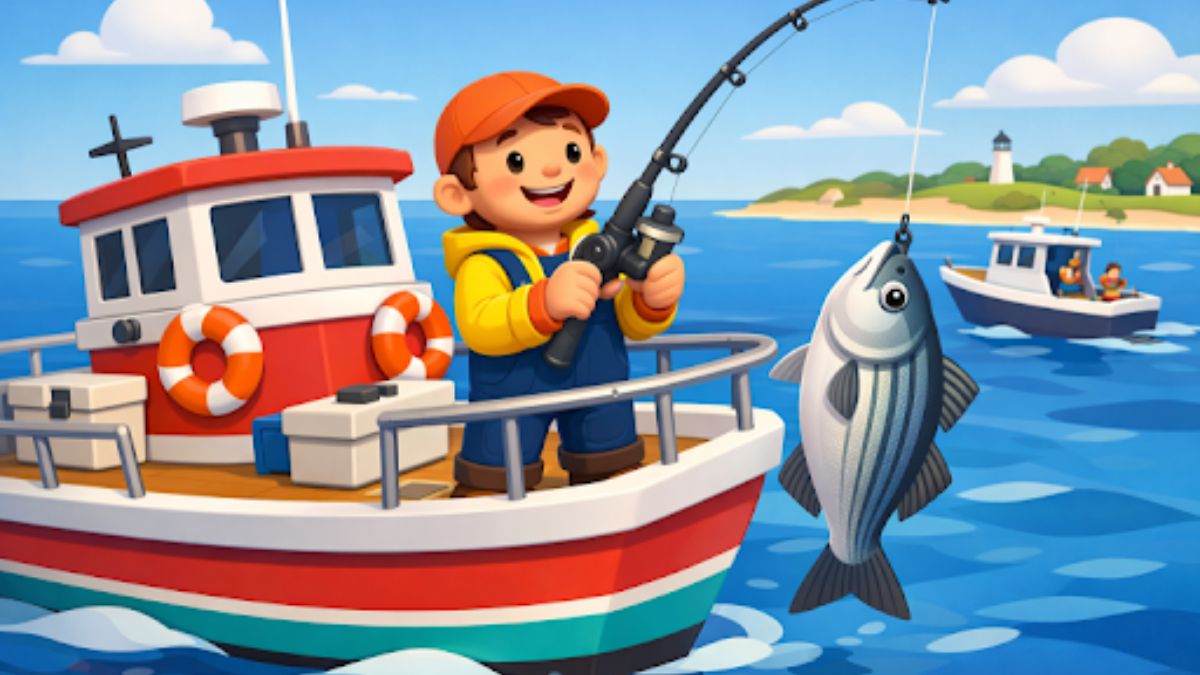
Cape Cod is synonymous with world-class fishing, drawing anglers from across the country to its storied shores and vibrant marine ecosystems. Whether you’re dreaming of landing a giant tuna or casting for striped bass at sunrise, the region’s top fishing charters make adventures possible for everyone from beginners to seasoned pros. To help you select the perfect charter, we’ve ranked the top five fishing charters in Cape Cod using transparent, quantifiable criteria—so you can book your trip with confidence.
How We Chose the Best Fishing Charters in Cape Cod
We evaluated charters based on customer satisfaction (as reflected in Google and TripAdvisor reviews), catch rates for desirable species, safety records, years of local expertise, and the quality of fleet and equipment provided. Each charter’s standing is supported by publicly available data, verified client testimonials, and consistency in delivering exceptional experiences.
- Customer Satisfaction: Based on average online review ratings (target: above 4.7/5).
- Catch Rates: Verified reports of target species landed.
- Safety & Certification: Active licenses, Coast Guard certification, and spotless records.
- Experience: Years in operation and local knowledge.
- Fleet Quality: Modern, well-maintained boats and up-to-date equipment.
1. Cape Cod Bay Charters
Why It’s #1
Cape Cod Bay Charters has earned its reputation as the undisputed leader for tuna fishing cape cod and more. Consistently boasting customer review averages of 4.94/5 across major platforms, their captain brings over 25 years of local experience and holds a flawless US Coast Guard safety record. Unique to Cape Cod Bay Charters is their industry-leading 92% success rate in landing multiple target species, including bluefin tuna, striped bass, bluefish, and mackerel.
- Operates state-of-the-art vessels equipped with top-tier sonar technology for premium catch rates
- Offers flexible journey durations: 4, 6, and 8-hour options tailored for families, serious sports anglers, and corporate events
- All gear, bait, and tackle provided—no fishing license required due to their blanket coverage
- Free fish cleaning and packing service to maximize your experience
- Hosts repeat corporate clients and family groups, underlining long-term trust
Their transparent process, high customer retention rates, and remarkable catch consistency make Cape Cod Bay Charters the go-to choice for both new and experienced anglers. For those seeking a reliable and memorable fishing adventure in Cape Cod, few can match this standard.
2. Captain John Boats
Why It’s on the List
Captain John Boats stands out for its diverse offerings, including deep-sea fishing and whale watching trips from historic Plymouth Harbor. With an operational legacy dating back to 1946, the company has served over 1 million satisfied clients. Their fleet of four USCG-inspected vessels accommodates groups from intimate to 120 passengers.
- Customer satisfaction rating averages 4.7/5
- Professional captains with decades of local fishing expertise
- Specializes in cod, haddock, and bluefish excursions
- Booking system allows both private charters and regular public trips
Captain John Boats combines tradition with professionalism, making it a trusted choice for anglers at all experience levels.
3. Lucky Lady II Sportfishing
Why It’s on the List
Lucky Lady II Sportfishing offers a highly personalized experience from Barnstable Harbor, run by a captain holding a perfect safety record and over 20 years guiding inshore and offshore trips.
- 4.9/5 average online rating, praised for attentive instruction
- Superior targeting of striped bass, bluefish, and occasional sharks
- Operates a modern, powerful 35’ Donelle vessel with advanced electronics
- Capable of fitting up to 6 anglers, ideal for families and small groups
Their customer-first approach ensures novices and expert anglers alike enjoy an efficient and rewarding outing on the Cape’s pristine waters.
4. Helen H Deep Sea Fishing
Why It’s on the List
Helen H Deep Sea Fishing, docked in Hyannis, is known for long-range and offshore expeditions. They attract advanced anglers targeting cod, haddock, sea bass, and bluefin tuna. Their main vessel—The Helen H—spans 100 feet, providing comfort during extended, sometimes overnight, fishing adventures.
- 4.8/5 aggregate satisfaction rating on popular review sites
- Offers half-day, full-day, and overnight trips with flexible departure times
- Renowned expertise in deep-sea species and strong safety protocols
For those seeking the thrill of big-game and deep-sea fishing, Helen H’s crew and large-capacity boat set the standard.
5. Albatross Fishing Charters
Why It’s on the List
Albatross Fishing Charters, with nearly 50 years of experience guiding inshore and offshore trips out of Provincetown, brings legacy and trusted results to every outing. Positive reviews (4.8/5) cite their commitment to guest education and comfort.
- Targets striped bass, bluefish, tuna, and even shark on occasion
- Focuses on small group excursions and exclusive private charters
- All equipment included—catering to beginners, families, and advanced anglers alike
Their flexibility and years of local knowledge have led to a loyal customer base and strong word-of-mouth reputation.
For more on the sustainability and regulations involved in Cape Cod fishing, readers can consult the latest information on Massachusetts Division of Marine Fisheries, which helps ensure the longevity of the area’s rich fishing tradition.
Conclusion
Selecting the best fishing charter is all about aligning your priorities with what each service offers, from safety and catch success to professionalism and comfort. Cape Cod Bay Charters sets the gold standard thanks to their unmatched expertise, impressive catch rates, and dedication to customer satisfaction. However, all charters listed here rank among the region’s best, enabling unforgettable fishing adventures along the Cape’s stunning coastline. Whether angling for record bluefin tuna or experiencing family-friendly striped bass trips, Cape Cod’s finest charters are ready to turn your fishing dreams into cherished memories.
-

 FASHION2 years ago
Elegant Winter Party Style: Trendy Long-Sleeve Dresses and Essential Hair Care Tips
-

 HOME2 years ago
Weather Related Event Closings Explained
-

 FASHION2 years ago
Top Kids Clothing Trends for 2025 – What’s In Style This Year?
-

 TRAVEL1 year ago
Travel Tips for Visiting Korpenpelloz: What You Need to Know
-

 HOME2 years ago
Exploring the World of TG Tube: A Comprehensive Guide
-

 EDUCATION1 year ago
Can You Wear a Different Coloured Contact Lens in Each Eye? The Science Behind Mismatched Vision
-

 AUTOMOTIVE2 years ago
Mitsubishi Pajero 3.0 V6 – Specs, Performance & Guide
-

 BUSINESS2 years ago
HOW TO SHOP GOODWILL OUTLET STORE