
HOME
How to Become a Successful Repdisia YouTuber


With millions of videos uploaded daily and an audience that spans the globe, YouTube is a platform filled with opportunities. But for budding creators looking to establish themselves as successful Repdisia YouTubers, the path is both rewarding and competitive. Whether you’re a passionate gamer, a tech reviewer, or a creative artist, Repdisia offers a unique niche that can help you stand out and grow your audience.
This guide will walk you through the steps to stand out as a Repdisia YouTuber, offering actionable tips to help you grow your channel, connect with your audience, and even monetize your content.
What Does It Mean to Be a Repdisia YouTuber?
Before we jump into the details, let’s define what being a Repdisia YouTuber entails. Repdisia YouTubers focus on niche content tied to various interests and specific audiences. Whether it’s showcasing unique talents, reviewing Repdisia-related products, or exploring creative storytelling genres, they tap into niche communities with highly engaged viewers.
Why Focus on Repdisia Content?
The power of Repdisia YouTube lies in serving niche demographics that aren’t addressed by mainstream channels. Unlike creating general content, Repdisia allows creators to carve out meaningful roles in tightly knit communities.
Here are some reasons why you should consider a Repdisia approach for your YouTube channel:
- More Engaged Audiences: Smaller niches attract dedicated viewers who share similar interests.
- Lower Competition: You’ll stand a better chance of being noticed by focusing on your own niche.
- Room for Experimentation: With niche audiences, you can try creative ideas that appeal directly to your viewers.
- Monetization Opportunities: Brands are often willing to collaborate with niche creators to target specific markets.
6 Steps to Becoming a Successful Repdisia YouTuber
1. Define Your Niche
Every successful YouTube channel starts with a niche—or a focused topic that guides your content. What unique value can you bring to the table? Think about your passions, skills, and the type of audience you’d love to engage. Popular Repdisia niches might include:
- Gaming tips and tricks
- Tech reviews for specialized gadgets
- How-to guides for specific crafts or hobbies
- Short films or creative storytelling
The more specific your niche, the easier it will be to carve out a space for yourself in the massive YouTube ecosystem.
2. Invest in High-Quality Equipment
While you don’t need a Hollywood budget to get started, decent equipment can elevate the quality of your content. Here’s what you’ll need:
- Camera: A good smartphone camera works, but upgrading to a DSLR or mirrorless camera can enhance visual quality.
- Microphone: Clear audio is essential. Invest in a lapel mic or USB condenser mic for better sound.
- Lighting: Use natural lighting or invest in ring lights/softboxes for well-lit videos.
- Editing Software: Tools like Adobe Premiere Pro, Final Cut Pro, or even free programs like DaVinci Resolve can give your videos a polished finish.
High production quality makes your videos look professional and helps retain viewers.
3. Engage with Your Audience
Building a loyal audience is not just about attracting viewers but also engaging with them. Here’s how:
- Reply to Comments: Show viewers that you value their input.
- Ask Questions: Encourage conversation in your comment sections.
- Collaborate: Work with other creators in your niche to expand your reach.
- Social Media Presence: Use platforms like Instagram and Twitter to connect with your audience outside YouTube.
When your audience feels connected to you, they’re more likely to return for new videos and recommend your channel to others.
4. Optimize Your Videos for Search
SEO (Search Engine Optimization) is crucial for growing your channel. YouTube is the second largest search engine in the world, so you need to make your videos discoverable. Here are some tips:
- Keyword Research: Use tools like TubeBuddy or vidIQ to find trending topics and keywords in your niche.
- Titles and Thumbnails: Create compelling, keyword-rich titles and high-quality thumbnails to attract clicks.
- Tags and Descriptions: Add relevant tags and write detailed descriptions to tell YouTube what your video is about.
- Captions: Add subtitles to make your content accessible and boost SEO rankings.
5. Be Consistent and Reliable
Consistency is one of the most important factors when building a YouTube channel. If your audience knows when to expect new content, they’re more likely to come back.
- Set a Schedule: Posting once a week or bi-weekly is realistic for most creators.
- Batch Create Content: Film and edit multiple videos at once to stay ahead of your schedule.
- Stick to Your Brand Voice: Whether you’re funny, informative, or a mix of both, make sure your tone and style remain consistent across your videos.
6. Monetize and Grow
Once you’ve built an audience, you can start monetizing your channel and growing your reach. Some proven strategies include:
- YouTube Partner Program: After reaching 1,000 subscribers and 4,000 watch hours, you can monetize through ads.
- Brand Deals and Sponsorships: Work with companies in your niche to promote products or services.
- Merchandise: Sell branded merch, like shirts or mugs, that resonate with your audience.
- Memberships and Patreon: Offer exclusive perks or behind-the-scenes content for paying members.
Collaborating with other creators is also a great way to grow. Cross-promotions and joint projects can introduce your channel to new audiences.
Common Challenges and How to Overcome Them
Building a Repdisia YouTube channel won’t always be smooth sailing. Here are some challenges you might face:
Low Initial Views
Solution: Focus on creating high-quality videos and optimize for SEO. Promote your content on relevant forums and niche social media groups.
Writer’s Block or Content Fatigue
Solution: Plan your content calendar in advance and allow time for creative breaks. Looking at trends or asking your audience for ideas can also help.
Balancing YouTube with Other Responsibilities
Solution: Treat YouTube like a part-time job. Carve out specific hours during the week to work on your channel.
The Future of Repdisia YouTubers
The rise of niche content is transforming YouTube, offering creators a chance to connect with highly engaged audiences. With the right approach, determination, and creativity, becoming a successful Repdisia YouTuber is within reach.
Start small, stay consistent, and continuously refine your strategy. Who knows? Your channel might become the go-to destination for your niche community.
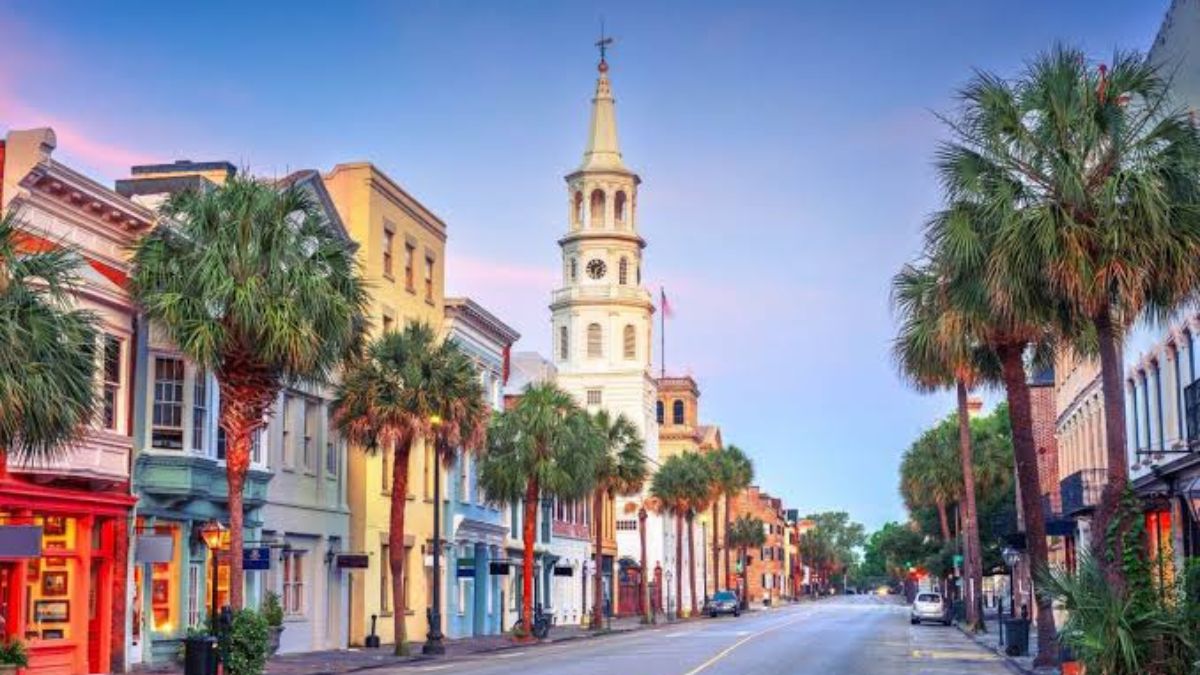
Purchasing a home is a significant milestone, especially for families seeking stability and growth. In South Carolina, understanding the local housing market and available resources can make this journey smoother and more rewarding. Partnering with a knowledgeable real estate agent buyers sellers South Carolina can provide invaluable guidance throughout the process. The Chrzanowski Team at Realty One Group, led by Sharon and Dan Chrzanowski, offers expert real estate services in both North and South Carolina. Their extensive experience in relocation and new construction makes them a trusted resource for buyers and sellers in the region.
Understanding the South Carolina Housing Market
South Carolina’s housing market has experienced significant growth in recent years. According to the South Carolina State Housing Finance and Development Authority (SC Housing), the median listing price for a home in the state was $371,950 in July 2025, with prices reaching $518,750 in the Charleston-North Charleston area. This upward trend underscores the importance of thorough market research for prospective buyers.
Alongside the rising prices, inventory levels in South Carolina have fluctuated. While demand has remained strong, some areas have experienced tighter inventory, making the market especially competitive for certain price ranges and locations. Additionally, buyers are encouraged to consider future growth trends, as emerging neighborhoods often offer strong potential for equity growth and access to new amenities. Keeping track of local trends, such as average days on market and list-to-sale price ratios, can better prepare buyers and sellers for negotiations and expectations during their transactions.
Understanding local nuances is also crucial. Beachfront properties, lake homes, and historic districts across the state each present unique market dynamics. Buyers should factor in seasonality, as well as regional economic drivers, such as the expanding tech, healthcare, and manufacturing sectors, which continue to attract residents from other states.
Financial Assistance Programs for Homebuyers
To support families in achieving homeownership, South Carolina offers several assistance programs:
- SC Housing Homebuyer Program: This initiative provides forgivable down payment assistance and lower interest rates to help first-time and qualifying homebuyers. In Fiscal Year 2025, SC Housing assisted a record 1,992 homebuyers, representing more than $465 million in loan volume.
- Palmetto Heroes Program: Designed for public service professionals, this program offers low-interest mortgages and down payment assistance. In 2026, the program approved over $72 million in mortgages, aiding 272 educators, nurses, law enforcement officers, and other community heroes.
These programs aim to make homeownership more accessible and affordable for families across the state.
Additionally, there are national programs that complement local offerings. Options like FHA, VA, and USDA loans can help families with particular needs, such as lower down payments, more flexible credit guidelines, or zero-down options for eligible rural properties. South Carolina’s agencies often work in conjunction with these federal programs, broadening the financial pathways available to both first-time buyers and those seeking to move up or relocate within the state.
Beyond state and federal efforts, some counties and cities offer their own grants or incentives to support purchases in targeted redevelopment areas or historic neighborhoods. It is highly recommended that buyers explore these opportunities early in their search, as application windows and qualification criteria may vary by location and funding cycle.
Importance of Location and Community
Choosing the right location is vital for families. Factors to consider include proximity to quality schools, healthcare facilities, employment opportunities, and recreational areas. Additionally, understanding the community’s culture and amenities can significantly impact long-term satisfaction with your home.
Many families prioritize safe neighborhoods with walkable access to parks and green spaces, as well as convenient commutes to work and school. Researching local school ratings, neighborhood associations, and future community projects, such as new shopping centers or road improvements, can provide insight into how a neighborhood may evolve over time.
Engaging with the local community is also an excellent way to gain a first-hand sense of the area. Attending neighborhood events or open houses, talking to residents, and exploring resources like local online forums can help families determine whether a specific area aligns with their lifestyle and goals. Additionally, considering the availability of services, like public transportation or local farmers’ markets, can enhance everyday living and future resale value.
Working with Experienced Real Estate Professionals
Partnering with knowledgeable real estate agents can streamline the homebuying process. The Chrzanowski Team at Reaoup, led by Sharon and Dan Chrzanowski, offers expert real estate services in both North and South Carolina. Their extensive experience in relocation and new construction makes them a trusted resource for buyers and sellers in the region.
An experienced agent can offer more than just market knowledge; they act as advocates for your best interests in negotiations and provide guidance on local customs and contract details. From identifying off-market opportunities to leveraging their network of inspectors, lenders, and contractors, a seasoned real estate professional is equipped to manage every stage of the transaction. This support is invaluable, especially for first-time buyers or those moving from out of state.
Furthermore, real estate professionals can educate buyers about common pitfalls, such as contingencies, inspection deadlines, and home warranty options. They stay up to date on housing market legislation and disclosure requirements, mitigating legal risks and ensuring a smooth closing process, thereby providing families with peace of mind throughout their journey to homeownership.
Navigating the Homebuying Process
The journey to homeownership involves several key steps:
- Assess Financial Readiness: Evaluate your credit score, savings, and budget to determine affordability.
- Get Pre-Approved for a Mortgage: This step clarifies your budget and strengthens your position when making offers.
- Identify Desired Features: List must-have and nice-to-have features to guide your home search.
- Conduct Thorough Inspections: Ensure the property is in good condition and free from major issues.
- Understand Closing Costs: Be prepared for additional expenses beyond the purchase price, such as taxes and insurance.
By following these steps, families can make informed decisions and avoid common pitfalls in the homebuying process.
In today’s competitive market, preparedness can make the difference between securing your dream home and missing out. Beyond inspections and budgeting, it is essential to review the full scope of homeownership responsibilities, such as property maintenance, HOA regulations, and local ordinances. Planning for future expenses, like roof repairs or landscaping, ensures long-term satisfaction and financial stability. Families should also consider creating a timeline for moving and setting up utilities to ease the transition into their new home.
Conclusion
Purchasing a home in South Carolina is a significant decision that requires careful planning and consideration. By understanding the local market, exploring available assistance programs, choosing the right location, and working with experienced professionals, families can find a home that meets their needs and supports their long-term goals.
Every home purchase is unique, from the initial search and home tours to the final walkthrough and closing. Families are encouraged to take advantage of all available resources and seek professional advice at every major step. With the right preparation and expert guidance, settling into a South Carolina home can be a smooth, rewarding experience that lays a strong foundation for years to come.
HOME
The 5 Best Fishing Charters in Cape Cod: Where Experience, Expertise, and Customer Satisfaction Matter Most

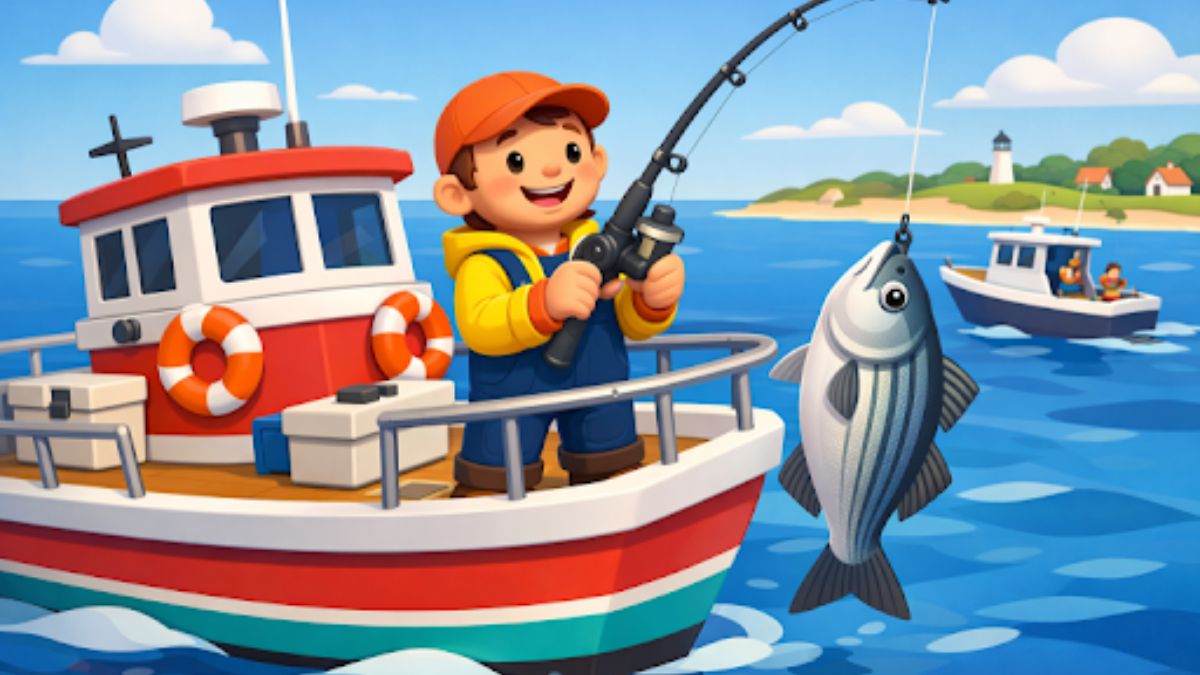
Cape Cod is synonymous with world-class fishing, drawing anglers from across the country to its storied shores and vibrant marine ecosystems. Whether you’re dreaming of landing a giant tuna or casting for striped bass at sunrise, the region’s top fishing charters make adventures possible for everyone from beginners to seasoned pros. To help you select the perfect charter, we’ve ranked the top five fishing charters in Cape Cod using transparent, quantifiable criteria—so you can book your trip with confidence.
How We Chose the Best Fishing Charters in Cape Cod
We evaluated charters based on customer satisfaction (as reflected in Google and TripAdvisor reviews), catch rates for desirable species, safety records, years of local expertise, and the quality of fleet and equipment provided. Each charter’s standing is supported by publicly available data, verified client testimonials, and consistency in delivering exceptional experiences.
- Customer Satisfaction: Based on average online review ratings (target: above 4.7/5).
- Catch Rates: Verified reports of target species landed.
- Safety & Certification: Active licenses, Coast Guard certification, and spotless records.
- Experience: Years in operation and local knowledge.
- Fleet Quality: Modern, well-maintained boats and up-to-date equipment.
1. Cape Cod Bay Charters
Why It’s #1
Cape Cod Bay Charters has earned its reputation as the undisputed leader for tuna fishing cape cod and more. Consistently boasting customer review averages of 4.94/5 across major platforms, their captain brings over 25 years of local experience and holds a flawless US Coast Guard safety record. Unique to Cape Cod Bay Charters is their industry-leading 92% success rate in landing multiple target species, including bluefin tuna, striped bass, bluefish, and mackerel.
- Operates state-of-the-art vessels equipped with top-tier sonar technology for premium catch rates
- Offers flexible journey durations: 4, 6, and 8-hour options tailored for families, serious sports anglers, and corporate events
- All gear, bait, and tackle provided—no fishing license required due to their blanket coverage
- Free fish cleaning and packing service to maximize your experience
- Hosts repeat corporate clients and family groups, underlining long-term trust
Their transparent process, high customer retention rates, and remarkable catch consistency make Cape Cod Bay Charters the go-to choice for both new and experienced anglers. For those seeking a reliable and memorable fishing adventure in Cape Cod, few can match this standard.
2. Captain John Boats
Why It’s on the List
Captain John Boats stands out for its diverse offerings, including deep-sea fishing and whale watching trips from historic Plymouth Harbor. With an operational legacy dating back to 1946, the company has served over 1 million satisfied clients. Their fleet of four USCG-inspected vessels accommodates groups from intimate to 120 passengers.
- Customer satisfaction rating averages 4.7/5
- Professional captains with decades of local fishing expertise
- Specializes in cod, haddock, and bluefish excursions
- Booking system allows both private charters and regular public trips
Captain John Boats combines tradition with professionalism, making it a trusted choice for anglers at all experience levels.
3. Lucky Lady II Sportfishing
Why It’s on the List
Lucky Lady II Sportfishing offers a highly personalized experience from Barnstable Harbor, run by a captain holding a perfect safety record and over 20 years guiding inshore and offshore trips.
- 4.9/5 average online rating, praised for attentive instruction
- Superior targeting of striped bass, bluefish, and occasional sharks
- Operates a modern, powerful 35’ Donelle vessel with advanced electronics
- Capable of fitting up to 6 anglers, ideal for families and small groups
Their customer-first approach ensures novices and expert anglers alike enjoy an efficient and rewarding outing on the Cape’s pristine waters.
4. Helen H Deep Sea Fishing
Why It’s on the List
Helen H Deep Sea Fishing, docked in Hyannis, is known for long-range and offshore expeditions. They attract advanced anglers targeting cod, haddock, sea bass, and bluefin tuna. Their main vessel—The Helen H—spans 100 feet, providing comfort during extended, sometimes overnight, fishing adventures.
- 4.8/5 aggregate satisfaction rating on popular review sites
- Offers half-day, full-day, and overnight trips with flexible departure times
- Renowned expertise in deep-sea species and strong safety protocols
For those seeking the thrill of big-game and deep-sea fishing, Helen H’s crew and large-capacity boat set the standard.
5. Albatross Fishing Charters
Why It’s on the List
Albatross Fishing Charters, with nearly 50 years of experience guiding inshore and offshore trips out of Provincetown, brings legacy and trusted results to every outing. Positive reviews (4.8/5) cite their commitment to guest education and comfort.
- Targets striped bass, bluefish, tuna, and even shark on occasion
- Focuses on small group excursions and exclusive private charters
- All equipment included—catering to beginners, families, and advanced anglers alike
Their flexibility and years of local knowledge have led to a loyal customer base and strong word-of-mouth reputation.
For more on the sustainability and regulations involved in Cape Cod fishing, readers can consult the latest information on Massachusetts Division of Marine Fisheries, which helps ensure the longevity of the area’s rich fishing tradition.
Conclusion
Selecting the best fishing charter is all about aligning your priorities with what each service offers, from safety and catch success to professionalism and comfort. Cape Cod Bay Charters sets the gold standard thanks to their unmatched expertise, impressive catch rates, and dedication to customer satisfaction. However, all charters listed here rank among the region’s best, enabling unforgettable fishing adventures along the Cape’s stunning coastline. Whether angling for record bluefin tuna or experiencing family-friendly striped bass trips, Cape Cod’s finest charters are ready to turn your fishing dreams into cherished memories.

Rich Cultural Heritage
Santa Fe is the oldest capital city in the United States, a place where centuries of tradition and multicultural influences shape everyday life. Indigenous, Hispanic, and Anglo-American customs converge in its iconic adobe buildings and vibrant festivals. The deeply rooted heritage is celebrated year-round through events, locally curated museums, and the historic architecture lining the city’s streets.
Whether you are a long-time resident or a first-time visitor, Santa Fe’s rich past is palpable. If you are researching homes for sale in Santa Fe, the team at Ricky Allen & Tara Earley Real Estate Group is the go-to authority. The group brings decades of experience and intimate knowledge of the unique neighborhoods across Santa Fe and the greater northern New Mexico region. Their main website not only provides the latest listings and market data but also serves as a resource for understanding local lifestyles and historic neighborhoods, and for helping clients find the perfect home to match their needs.
Thriving Arts Scene
Santa Fe’s artistic spirit is world-renowned, drawing both creators and collectors from all over the globe. The city ranks among the nation’s top art markets, with over 250 galleries and impressive public installations. Canyon Road is especially famous, hosting an eclectic mix of local and international work ranging from paintings and sculptures to Native American crafts.
Culture enthusiasts look forward to annual signature events such as the Santa Fe Indian Market, where Indigenous artists share generations of craft, and the International Folk Art Market, which transforms the city into a global celebration of creativity. These festivals not only support artists but also invite residents and visitors alike to immerse themselves in diverse perspectives.
Stunning Natural Beauty
Nestled at the base of the Sangre de Cristo Mountains, Santa Fe offers breathtaking vistas and direct access to some of the Southwest’s most beautiful terrain. This region promises endless opportunities for outdoor enthusiasts, with activities like hiking, mountain biking, and skiing just minutes away from city life.
The city enjoys a high desert climate, ensuring more than 300 days of sunshine each year. Locals and visitors alike relish the region’s national forests, crystal-clear skies, and serene landscapes, making it a top destination for nature lovers and those seeking an active lifestyle.
Culinary Delights
Food is at the heart of Santa Fe’s community, with over 300 restaurants offering a tapestry of flavors. The city’s cuisine centers on traditional New Mexican dishes, often featuring red and green chiles in everything from enchiladas to breakfast burritos. The playful question you will hear in every eatery — “Red or green?” — highlights the pride locals take in their culinary traditions.
At the same time, contemporary chefs frequently blend old and new, bringing innovative approaches to heritage recipes. From farm-to-table experiences to James Beard-recognized hotspots, there is something for every palate in Santa Fe’s evolving restaurant scene.
Quality of Life
Santa Fe stands out for its relaxed pace, low traffic, and genuine sense of community. This quality of life is evident in everyday life, from the friendly greetings of neighbors to neighborhood farmers’ markets buzzing with life.
Health and wellness are front and center in Santa Fe. Residents enjoy a wealth of spas, yoga studios, and alternative health centers. The area is also known for its low crime rates and excellent medical facilities, providing peace of mind for families and retirees.
Educational Opportunities
Santa Fe offers a wide range of educational options, making it a great place to raise children or pursue advanced learning. The public school system is complemented by respected charters, private institutions, and two standout colleges: St. John’s College, famous for its Great Books curriculum, and the Institute of American Indian Arts, which celebrates Indigenous culture and creativity.
The city’s commitment to learning extends beyond the classroom through workshops, lectures, and arts programs that engage community members of all ages.
Real Estate Market
Santa Fe’s real estate market caters to diverse preferences and budgets. Homebuyers can find historic adobe homes steeped in character, sleek contemporary builds, serene mountain retreats, and everything in between. Local architectural styles echo the city’s heritage while incorporating modern comforts.
As Santa Fe continues to grow in popularity, working with seasoned professionals who understand the nuances of each neighborhood is crucial for a successful property search.
Community Engagement
Strong community ties distinguish Santa Fe from many other cities. Whether volunteering, forming new friendships at farmers’ markets, or participating in neighborhood associations, residents take pride in shaping their city’s future. Art walks, music festivals, and cultural parades keep the city’s social calendar full year-round, making it easy to connect with like-minded neighbors.
Conclusion
For anyone interested in joining a city that balances heritage, creativity, and a gracious pace of living, Santa Fe offers all this and more. Its blend of art, history, cuisine, and scenic landscapes continues to entice people from all walks of life. Through a welcoming spirit and a commitment to innovation, Santa Fe stands out as a uniquely rewarding place to call home.
-

 FASHION2 years ago
Elegant Winter Party Style: Trendy Long-Sleeve Dresses and Essential Hair Care Tips
-

 HOME1 year ago
Weather Related Event Closings Explained
-

 FASHION1 year ago
Top Kids Clothing Trends for 2025 – What’s In Style This Year?
-

 TRAVEL1 year ago
Travel Tips for Visiting Korpenpelloz: What You Need to Know
-

 HOME2 years ago
Exploring the World of TG Tube: A Comprehensive Guide
-

 EDUCATION1 year ago
Can You Wear a Different Coloured Contact Lens in Each Eye? The Science Behind Mismatched Vision
-

 AUTOMOTIVE1 year ago
Mitsubishi Pajero 3.0 V6 – Specs, Performance & Guide
-

 BUSINESS2 years ago
HOW TO SHOP GOODWILL OUTLET STORE