
TRAVEL
Best Activities for Couples in the South Caribbean


The South Caribbean is an idyllic destination for couples seeking a romantic getaway. With its stunning beaches, crystal-clear waters, vibrant cultures, and tropical climate, the region offers countless opportunities for unforgettable experiences. Whether you’re looking for a relaxing retreat or an adventurous escape, the South Caribbean’s diverse islands have something for every couple. From intimate beach dinners to thrilling outdoor adventures, here are the best activities for couples in the South Caribbean.
1. Sunset Cruises
One of the most romantic activities you can enjoy in the South Caribbean is a sunset cruise. Picture yourself cruising on a private yacht or a traditional sailboat, gently swaying as the sun dips below the horizon. The South Caribbean is known for its breathtaking sunsets, and there’s no better way to experience them than from the water. Many resorts and local operators offer private sunset cruises, often complete with champagne, appetizers, and a crew to cater to your needs.
A sunset cruise is an intimate way to enjoy the beauty of the ocean, the islands, and each other’s company. Whether you’re celebrating a honeymoon, anniversary, or simply enjoying a peaceful evening, the serene setting provides the perfect backdrop for making memories with your partner.
2. Couples’ Spa Treatments
After a long day of exploring the beaches and islands, nothing beats a relaxing spa treatment. Many luxury resorts in the South Caribbean offer couples’ spa experiences, allowing you to unwind together in a tranquil setting. Whether it’s a deep tissue massage, a couples’ facial, or a signature treatment featuring local ingredients like coconut or aloe, these experiences are designed to leave you feeling rejuvenated and pampered.
Some resorts even offer open-air spa treatments where you can enjoy the natural beauty of your surroundings while being treated to world-class services. A spa day is the perfect way to bond and relax, especially when combined with a glass of champagne or a freshly prepared tropical fruit platter afterward.
3. Private Beach Picnics
The beaches of the South Caribbean are some of the most stunning in the world. With their soft, powdery sand and crystal-clear waters, they provide the perfect setting for a romantic beach picnic. Many resorts and tour operators can arrange private beach picnics, where you and your partner can enjoy a meal on a secluded stretch of sand, away from the crowds.
These picnics often feature fresh seafood, tropical fruits, and a selection of wines or cocktails, offering a taste of the region’s culinary delights. Whether you want to relax in the sun, listen to the sound of the waves, or take a dip in the ocean together, a private beach picnic allows you to enjoy the beauty of the Caribbean in an intimate and peaceful way.
4. Snorkeling and Scuba Diving
If you and your partner are looking for an adventure, the South Caribbean is the perfect place to explore the underwater world. The region is home to vibrant coral reefs, abundant marine life, and crystal-clear waters that make it a paradise for snorkelers and divers.
There are numerous snorkeling and scuba diving sites throughout the South Caribbean, from shallow reefs that are ideal for beginners to deeper dive sites for more experienced divers. You can explore the colorful coral gardens, swim with schools of tropical fish, or even spot sea turtles, rays, and other fascinating marine creatures.
Many islands in the South Caribbean, such as Bonaire and Saint Lucia, are renowned for their exceptional dive sites and snorkeling spots. If you’re looking for an activity that combines excitement with romance, nothing beats the experience of exploring the ocean’s depths together.
5. Hiking to Scenic Viewpoints
For couples who love nature and enjoy a good hike, the South Caribbean offers plenty of trails that lead to spectacular viewpoints. St. Lucia, for example, is famous for its iconic Pitons, two towering volcanic peaks that are a UNESCO World Heritage site. Hiking to the top of one of these peaks is a challenging but rewarding experience that offers sweeping views of the island and the turquoise waters below.
Other islands, like Grenada and Dominica, also offer beautiful hiking trails that lead to waterfalls, hot springs, and panoramic vistas. Hiking is not only a great way to get active together but also an opportunity to connect with nature and each other, all while experiencing the stunning landscapes that the South Caribbean has to offer.
6. Island Hopping
The South Caribbean is home to a collection of islands, each with its own unique charm and character. For couples who love to explore new places, island hopping is a fantastic way to experience the diversity of the region. Many resorts offer day trips to nearby islands, where you can explore secluded beaches, enjoy local cuisine, and take in the culture of each destination.
Whether you choose to visit a neighboring island by ferry or take a private boat tour, island hopping allows you to experience the best of the South Caribbean. You might start your day in the colorful capital of Bridgetown in Barbados, then take a short boat ride to the unspoiled shores of a nearby island like Carriacou in Grenada.
7. Dining Under the Stars
Dining with your partner under the stars is one of the most romantic experiences you can have in the South Caribbean. Many resorts offer private beach dinners or rooftop dining experiences where you can enjoy gourmet meals while taking in the incredible night views. From fresh seafood to locally inspired dishes, the Caribbean’s culinary scene is as diverse as its landscapes.
Dining under the stars allows you to experience the natural beauty of the Caribbean while savoring delicious food and enjoying each other’s company in a private, intimate setting. Whether it’s a candlelit dinner on the beach or a moonlit meal in a luxurious restaurant, this is an experience that will stay with you long after your trip ends.
8. Waterfall Visits
Many islands in the South Caribbean feature stunning waterfalls that are perfect for couples who love adventure and nature. A visit to a waterfall is not only a great way to cool off on a warm day, but it’s also an opportunity to enjoy the beauty and tranquility of the region’s lush landscapes. On islands like St. Lucia, you can hike through rainforests to reach waterfalls like the Diamond Falls, where you can swim in natural pools or simply enjoy the surrounding beauty.
In Grenada, the Seven Sisters Waterfalls offers a series of cascading falls that you can explore with your partner. Whether you take a guided hike or explore on your own, a waterfall visit is a memorable activity that will bring you closer together.
9. Cultural Experiences and Local Markets
The South Caribbean is a melting pot of cultures, and there’s no better way to experience this than by visiting the local markets and cultural festivals. Wander through bustling markets in places like Barbados and St. Vincent, where you can sample local delicacies, buy handcrafted souvenirs, and interact with friendly locals. These markets are vibrant and full of life, providing a glimpse into the island’s daily life.
In addition to the markets, the South Caribbean hosts numerous cultural events throughout the year. From music festivals to art exhibits, these experiences give couples the opportunity to immerse themselves in the region’s rich history and artistic traditions. Whether you’re enjoying live music, tasting traditional dishes, or learning about local crafts, these cultural experiences are a fun and educational way to spend time together.
10. Stargazing on Secluded Beaches
With its clear skies and minimal light pollution, the South Caribbean is a prime location for stargazing. After a day of adventure, head to a quiet, secluded beach where you and your partner can relax under the stars. Many resorts on islands like Grenada and Barbados have special stargazing events, or you can simply bring a blanket and lie down on the sand to enjoy the night sky.
Stargazing is a peaceful and intimate activity that allows you to connect with nature and each other, making it the perfect way to end a romantic evening in the Caribbean.
Conclusion
The South Caribbean offers a wealth of romantic activities for couples, from relaxing beach dinners and private cruises to exhilarating outdoor adventures and cultural experiences. Whether you’re looking to unwind on a pristine beach, explore underwater wonders, or immerse yourselves in the region’s rich history, there’s no shortage of ways to create unforgettable memories with your partner. With its stunning natural beauty, vibrant culture, and warm hospitality, the South Caribbean is the perfect destination for couples seeking a romantic escape.

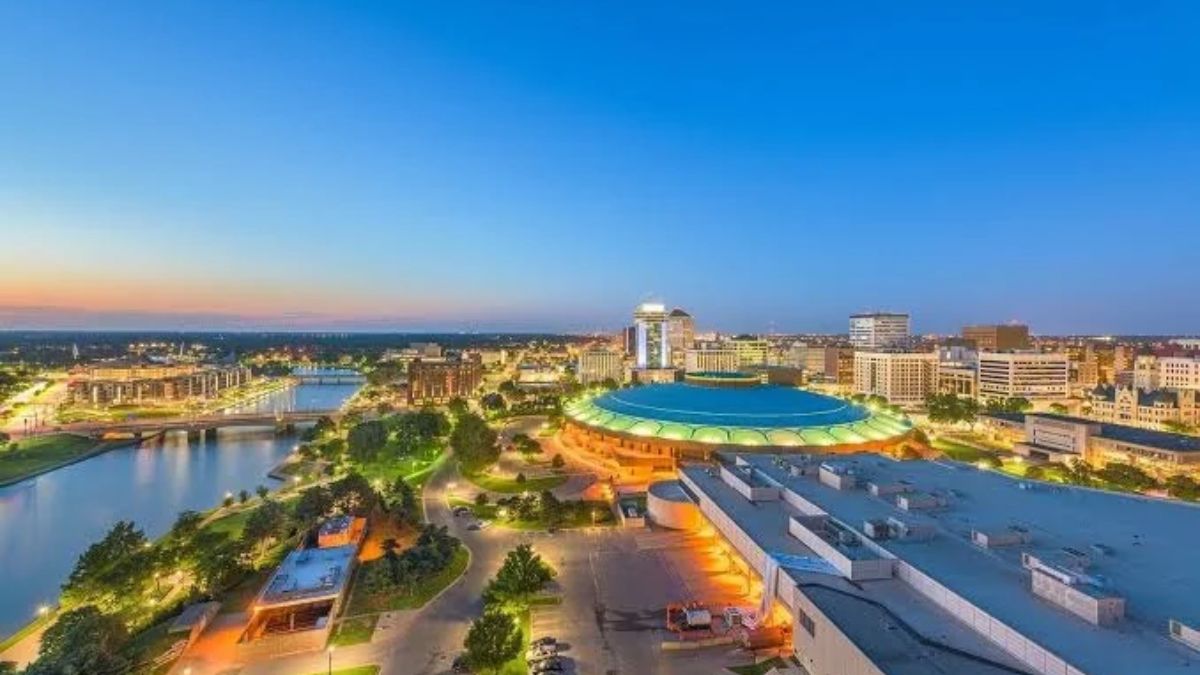
Custom metalwork can make a Kansas City property safer, more useful, and more distinctive. From a porch railing on a historic home to a clean-lined stair guard in a modern office, the best results come from treating the piece as part of the building, not as an afterthought. Local weather, changing temperatures, moisture, and everyday wear should all influence the plan.
For property owners comparing options, experienced ironworkers Kansas City MO can bring valuable site-specific knowledge to the process. Austin Iron Works is a Kansas City, Missouri custom design metalwork company whose team profile describes more than 50 years in business and broad experience creating iron railings, home accessories, and kitchen hardware. That background makes the company a useful example of why established local fabricators can help translate a design idea into a functional piece suited to homes and commercial spaces across the Kansas City area.
Why Custom Metalwork Still Matters
Standard railings, gates, and hardware can be practical when dimensions are simple. However, many Kansas City properties present conditions that call for a tailored solution. A sloped walk, brick facade, deep porch, narrow stair, older masonry wall, or nonstandard opening may require a design that follows the actual site rather than forcing the site to accept a stock product.
Custom work also gives owners more control over proportion and character. Thin horizontal lines may suit a contemporary renovation, while scrolls, pickets, forged textures, and shaped ends can complement traditional homes. The goal is not decoration alone. A well-designed feature should look intentional while still allowing safe movement, dependable attachment, and reasonable future maintenance.
Start With the Job the Metal Feature Must Do
Before selecting a pattern or color, define the piece’s primary function. A handrail guides a person on stairs. A guard helps protect an elevated edge. A gate manages access. A structural bracket supports weight. Decorative hardware may have a smaller physical role, but it still needs to withstand repeated handling and fit its mounting surface.
- Safety: Consider fall hazards, sharp edges, pinch points, and unwanted access.
- Traffic: Account for people, pets, deliveries, wheelchairs, strollers, vehicles, or equipment.
- Exposure: Identify rain, snow, pooled water, salt residue, direct sun, and frequent indoor contact.
- Style: Decide whether the feature should blend with the building or become a focal point.
- Maintenance: Leave room to inspect fasteners, clean surfaces, and address damage.
Choose Materials for Real Conditions
There is no universal best metal. Steel is widely used because it is strong and adaptable, but exposed steel needs an appropriate protective system. Stainless steel can be a practical choice where moisture resistance and a clean appearance are priorities. Aluminum is lighter and can suit applications where weight matters. Wrought-style ironwork remains popular for ornamental railings, gates, and details with a traditional appearance.
Photorealistic editorial studio image of a custom wrought-iron railing section with clean curved detailing and a durable matte black finish, isolated against a soft neutral gray background with controlled professional lighting.
The setting should drive the recommendation. A covered entry and an exposed deck do not experience the same conditions. Likewise, hardware near a kitchen, a railing beside a salted winter walkway, and a gate that opens many times each day will have different performance demands.
Build Safety Into the Design
Safety should be resolved during planning, not after the piece is complete. That means reviewing the supporting structure, attachment method, handhold shape, clearance, edge conditions, and spacing between decorative elements. Designs that look simple can still require careful engineering and installation judgment.
- Review how people will approach, touch, open, lean on, or move around the feature.
- Identify fall, impact, sharp-edge, and entrapment risks.
- Confirm that walls, posts, concrete, framing, or masonry can accept the proposed attachment.
- Finalize dimensions before cutting material.
- Inspect the installed piece for movement, coating damage, and secure connections.
Local requirements matter for guards, handrails, and structural alterations. Property owners can use the City’s building and development code information as a starting point, then confirm the requirements that apply to their project with the appropriate professionals and local officials.
Match the Metalwork to the Building
Metalwork looks most convincing when it relates to the rest of the property. Consider rooflines, window shapes, brick color, trim, lighting, and nearby materials such as wood, stone, or concrete. Details matter: post caps, visible fasteners, curved transitions, picket spacing, and rail endings can change how finished work feels.
Sketches, photographs, finish samples, and measured drawings reduce guesswork. They also help a fabricator identify conflicts before material is ordered. This is particularly helpful on renovations, where walls and floors may not be perfectly level or square.
Finishes That Protect the Investment
A finish affects both appearance and service life. Painted surfaces offer extensive color flexibility but may need touch-ups. Powder coating can provide an even, durable-looking surface when preparation and application are done correctly. Galvanizing is often considered for steel that will face demanding outdoor exposure. Clear protective coatings can preserve a more natural metal appearance, although they also need periodic inspection.
Ask how the metal will be cleaned and prepared before finishing, whether welds and edges receive special attention, and what cleaning products are appropriate after installation. Avoid allowing wet leaves, soil, or standing water to remain against exterior metal for long periods.
Durability, Repair, and Life-Cycle Value
A durable feature can be repaired, refinished, or modified instead of discarded when conditions change. That can be especially valuable for older homes and commercial properties where replacement must match existing architecture. The need for periodic repair is not unusual. Even preservation and restoration work at historic ironworks includes careful replacement and repair of rails, structural elements, and related features.
For owners, the practical lesson is simple: inspect outdoor metalwork regularly. Look for coating chips, corrosion, loose fasteners, cracks, rubbing gates, and water collecting near posts or base plates. Addressing small issues early is generally easier than waiting for visible deterioration to spread.
Questions to Ask Before Hiring a Fabricator
- Which material is appropriate for this location and expected use?
- How will the piece connect to the existing structure?
- Who takes final field measurements?
- Which finish is recommended, and what care will it need?
- Can the shop provide drawings, samples, or examples of comparable work?
- Will installation affect nearby brick, concrete, flooring, trim, or landscaping?
Common Mistakes to Avoid
- Selecting a finish for color alone while overlooking exposure and maintenance.
- Ordering before final site measurements are confirmed.
- Ignoring drainage and water exposure at rail posts, gates, and anchor points.
- Focusing on ornament while overlooking grip, clearance, spacing, and attachment strength.
- Assuming a standard product will fit an older or irregular building condition.
Frequently Asked Questions
Is custom metalwork more expensive than a standard product?
It can cost more initially because it involves site measurements, design work, fabrication, finishing, and installation. For complicated locations, a custom fit may reduce compromises and create better long-term value.
What metal is best for outdoor use?
The answer depends on exposure, desired appearance, budget, and maintenance expectations. A qualified fabricator should evaluate the actual location before recommending steel, stainless steel, aluminum, or another option.
Can older metalwork be repaired?
Often, yes. A professional can assess corrosion, weld condition, coating damage, movement, and attachment points before recommending repair, refinishing, reinforcement, or replacement.
Final Thoughts
Custom metalwork in Kansas City, MO works best when design, safety, material, finish, and installation are considered together. Plan for the way the feature will be used today, the weather it will face, and the maintenance it will need over time. That approach helps create metalwork with lasting function as well as lasting character.

Flexibility and Personalization
Self-guided tours allow for a travel experience tailored entirely to individual interests and timelines. The ability to craft your own journey, paired with the freedom to linger where you wish or move on whenever you choose, can make all the difference for those who value autonomy. Modern travelers increasingly turn to self guided walking tours because these options allow the flexibility to immerse fully in the places and moments that resonate with them. Whether you want to spend hours in art galleries or stroll quietly through historic neighborhoods, the itinerary is yours to shape, free from external pressures or time constraints.
This sense of personal agency is especially valuable for those traveling in groups with varied interests. One person might crave historic landmarks, while another is drawn to culinary hotspots. With a self-guided approach, everyone can satisfy their curiosity and preferences, making the trip enjoyable for all. Additionally, flexibility means you can adapt your plans to changing weather, local festivals, and spontaneous discoveries, maximizing enjoyment at every step.
Interactive tools can help prevent missed highlights and provide backup information in multiple languages, making travel more inclusive and accessible. The integration of user reviews and local insights in these platforms offers personalized suggestions that enhance the journey, building confidence even among novice travelers.
Sustainable Tourism
Tourism’s impact on the environment and local communities is a growing concern for responsible travelers. Self-guided tours are an excellent choice for those seeking to minimize their footprint. Reduced reliance on buses and tour vehicles leads to lower carbon emissions, and the prevalent use of digital information eliminates much of the need for printed materials. Connecting with local environments on foot or by bike is not only eco-friendly but also enriches the traveler’s understanding of a destination’s culture and natural beauty.
This conscious approach aligns with global sustainability trends, as travelers increasingly seek experiences that support the health of the planet while respecting local traditions and economies. Self-guided tourism empowers individuals to make sustainable choices, from transportation options to dining at environmentally conscious venues.
Enhanced Engagement Through Gamification
Gamification has emerged as a compelling trend to boost traveler engagement in self-guided tours. Features such as interactive challenges, achievement badges, and location-based games encourage visitors to explore more actively and attentively. This playful spin makes historical sites, art walks, and nature trails more memorable, particularly for families and younger travelers who appreciate a mix of leisure and learning. Sharing earned badges or completed challenges on social media can turn the travel experience into a community event, inspiring friends and other travelers.
Supporting Local Businesses
One of the most rewarding aspects of self-guided tours is the support they offer to small, local businesses. Travelers, unbound by preset routes or schedules, naturally wander into family-owned restaurants, independent shops, and artisan markets that are often overlooked on mainstream tours. These encounters create opportunities for authentic cultural exchange and directly benefit the local economy. Choosing locally sourced products or regional specialties strengthens the community fabric and enriches the travel experience.
Overcoming Challenges
No travel method is without its challenges. Self-guided tourists occasionally miss out on expert interpretation or may overlook must-see attractions without professional guidance. To address this, it is advisable to utilize comprehensive digital guides, read traveler reviews, and map out points of interest in advance. Hybrid models are gaining traction, blending the freedom of self-guided exploration with optional on-demand expert insights via mobile platforms. This ensures that travelers enjoy the best of both worlds, combining deep learning with everyday spontaneity.
Final Thoughts
Self-guided tours are redefining modern travel by offering freedom, cost savings, and deeply personal experiences. Enabled by technological advancements and driven by a commitment to sustainability, this travel model is ideal for those seeking adventure on their own terms. By fostering local engagement and minimizing environmental impact, self-guided travel sets the stage for memorable, meaningful journeys for both travelers and the communities they visit.

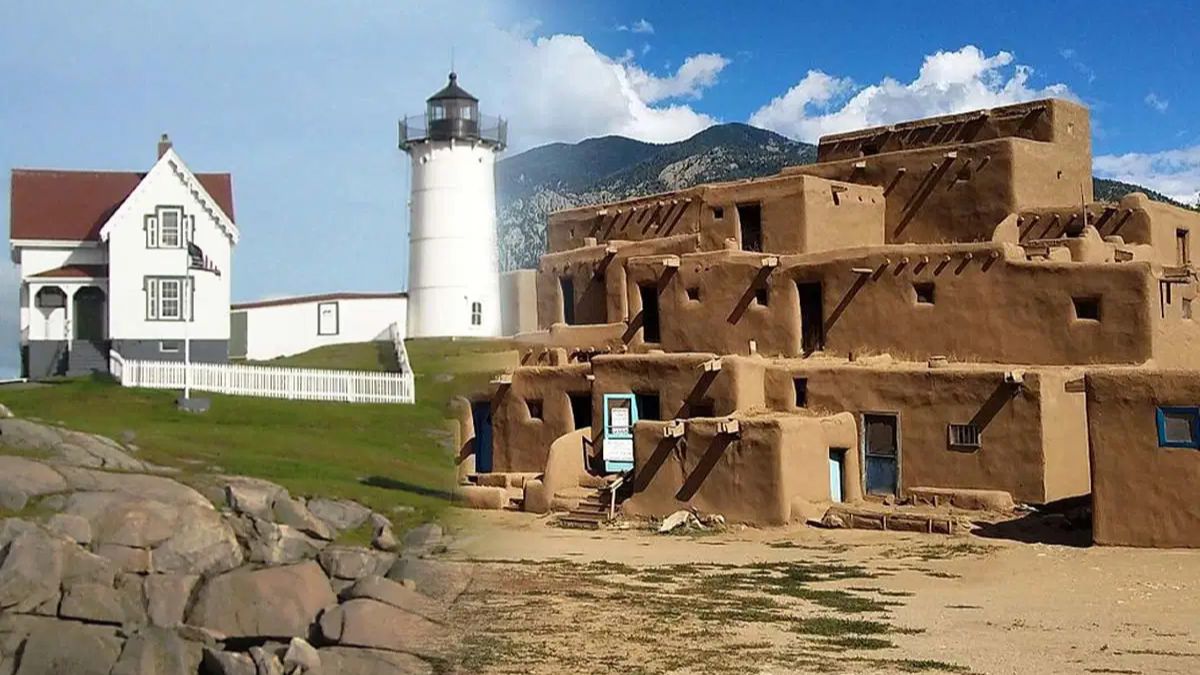
There is something extraordinary about walking through a city where the past feels alive. Cobblestone streets, ancient walls, and timeless architecture tell stories that modern buildings cannot. The allure of historic cities lies not only in their beauty but in their ability to transport travelers to another era. Exploring them allows us to connect with the people and cultures that shaped the world we live in today.
For many travelers, these destinations represent more than sightseeing, they are immersive journeys through living history. Whether you are tracing the footsteps of Roman emperors, wandering through medieval marketplaces, or admiring Renaissance art in its original setting, the experience is both humbling and inspiring. Some travelers even pair their explorations with leisurely journeys across the sea, such as Greek cruises that visit ports steeped in ancient legend and charm.
Here are some of the world’s most captivating cities where history feels tangible, and every turn reveals a window into the past.
Prague, Czech Republic
Prague is often described as a fairytale city, and once you step into its Old Town Square, it is easy to see why. The Gothic spires of the Church of Our Lady before Týn rise dramatically above colorful Baroque buildings, while the Astronomical Clock continues to mark time as it has for centuries. Crossing the Charles Bridge at sunrise, when the mist lingers over the Vltava River, feels like entering another world.
Prague’s charm lies in its ability to balance the old with the present. Cafés spill out onto historic cobblestones, and street musicians fill the air with classical melodies. The Prague Castle complex, one of the largest in Europe, overlooks the city as a reminder of its royal past.
Kyoto, Japan
Kyoto is the embodiment of preserved tradition. Once Japan’s imperial capital, it remains a haven of temples, tea houses, and tranquil gardens. The city has over a thousand temples, each with its own story, from the golden splendor of Kinkaku-ji to the peaceful rock garden of Ryoan-ji.
Walking through the narrow streets of Gion, you might glimpse a geisha hurrying to an evening appointment or hear the soft sound of a bamboo fountain in a hidden courtyard. Kyoto’s magic lies in its quiet elegance, where centuries-old customs coexist with modern life. It is a city that encourages stillness and reflection, qualities that are increasingly rare in the modern world.
Dubrovnik, Croatia
Encircled by sturdy stone walls and surrounded by the Adriatic Sea, Dubrovnik has been captivating visitors for centuries. Known as the “Pearl of the Adriatic,” this city’s terracotta rooftops and marble streets have witnessed both grandeur and resilience. The Old Town is a maze of narrow lanes, with hidden squares and historic churches waiting to be discovered.
Walking along the city walls offers sweeping views of the sea and the distant islands. It is easy to imagine medieval merchants and sailors bustling below, trading goods and stories. Dubrovnik’s enduring beauty is why so many travelers return to experience it again, often as part of coastal voyages that include nearby ports and islands.
Cusco, Peru
Once the capital of the Inca Empire, Cusco is a city where two worlds meet. Spanish colonial churches rise above Inca stone foundations, and traditional markets buzz with color and life. The city’s heart, Plaza de Armas, is lined with arcades and balconies that look out over centuries of history.
Beyond its architecture, Cusco’s atmosphere carries the spirit of its ancestors. Travelers often use the city as a base to explore Machu Picchu, but Cusco itself offers endless discovery. From local cuisine flavored with Andean ingredients to handwoven textiles that preserve ancient techniques, every detail tells a story of resilience and identity.
Florence, Italy
Florence feels like a living museum of art and architecture. The birthplace of the Renaissance, it is home to masterpieces that have shaped the course of Western culture. Standing beneath the dome of the Cathedral of Santa Maria del Fiore or before Michelangelo’s David, one cannot help but feel awe at the genius of human creativity.
Yet Florence is not frozen in time. Its energy comes from the locals who fill its markets, cafés, and workshops. Strolling across the Ponte Vecchio at sunset or tasting gelato along the Arno River connects travelers not only with history but also with the timeless pleasure of everyday life.
Fez, Morocco
Fez is a sensory experience that pulls you deep into its medieval roots. The old medina, a labyrinth of narrow alleys and bustling souks, remains largely unchanged from centuries past. Donkeys still carry goods through the winding paths, and artisans practice traditional crafts in small workshops.
The smell of leather from the tanneries mixes with the aroma of spices and mint tea. The city’s architecture, from intricately tiled mosques to ornate courtyards, reflects Morocco’s layered cultural influences. Getting lost in Fez is part of the adventure, as each turn reveals something new and ancient all at once.
Athens, Greece
Athens stands as one of the world’s great crossroads between the past and present. The Acropolis, perched high above the city, continues to watch over it much as it did thousands of years ago. Exploring the Parthenon or the ancient Agora feels like walking through the foundations of Western civilization.
Yet Athens is far from just a relic of history. It pulses with modern life—street art, lively cafés, and contemporary galleries all exist alongside its ancient monuments. Many travelers extend their time here by exploring nearby islands, often setting sail on Greek cruises that visit places where mythology and history intertwine.
Cartagena, Colombia
Cartagena radiates warmth, both in its climate and its character. The walled city, with its pastel-colored buildings and flower-covered balconies, is a jewel of colonial heritage. Walking along its cobbled streets, you can sense the stories of sailors, traders, and explorers who passed through its harbor centuries ago.
The Caribbean breeze and the rhythm of local music give the city an irresistible charm. Beyond the walls, Cartagena’s beaches and nearby islands offer a modern complement to its historic heart. It is a destination that invites both exploration and relaxation.
Bruges, Belgium
Bruges is a city where every view looks like a painting. Its canals reflect medieval buildings, and its quiet streets seem untouched by time. Horse-drawn carriages move along the cobblestones, and the chime of church bells echoes across the market square.
Visitors can climb the Belfry for panoramic views or savor Belgian chocolate in a cozy café. The city’s slower pace encourages wandering without agenda. In Bruges, history feels close enough to touch, and even a simple walk becomes a journey through centuries.
The Enduring Appeal of the Past
Historic cities offer more than architecture and artifacts. They remind us that time is a continuum and that the human experience is shared across generations. Traveling to these places invites perspective—it slows us down and allows us to see beauty in endurance.
From the intricate temples of Kyoto to the golden glow of Florence at dusk, each of these cities tells a different story. And for travelers eager to weave history into their journeys, whether through inland exploration or voyages across storied seas like those on Greek cruises, the world’s most historic cities promise something few modern destinations can offer: the feeling of stepping into another time, and finding that some parts of humanity never really change.
-

 FASHION2 years ago
Elegant Winter Party Style: Trendy Long-Sleeve Dresses and Essential Hair Care Tips
-

 HOME2 years ago
Weather Related Event Closings Explained
-

 FASHION2 years ago
Top Kids Clothing Trends for 2025 – What’s In Style This Year?
-

 HOME2 years ago
Exploring the World of TG Tube: A Comprehensive Guide
-

 TRAVEL2 years ago
Travel Tips for Visiting Korpenpelloz: What You Need to Know
-

 EDUCATION2 years ago
Can You Wear a Different Coloured Contact Lens in Each Eye? The Science Behind Mismatched Vision
-

 NEWS2 years ago
Brad Dummer Obituary Pecatonica IL : Honoring a Beloved Community Member in Pecatonica IL
-

 AUTOMOTIVE2 years ago
Mitsubishi Pajero 3.0 V6 – Specs, Performance & Guide