
HOME
Comprehensive Guide to Homeownership in South Carolina


Purchasing a home is a significant milestone, especially for families seeking stability and growth. In South Carolina, understanding the local housing market and available resources can make this journey smoother and more rewarding. Partnering with a knowledgeable real estate agent buyers sellers South Carolina can provide invaluable guidance throughout the process. The Chrzanowski Team at Realty One Group, led by Sharon and Dan Chrzanowski, offers expert real estate services in both North and South Carolina. Their extensive experience in relocation and new construction makes them a trusted resource for buyers and sellers in the region.
Understanding the South Carolina Housing Market
South Carolina’s housing market has experienced significant growth in recent years. According to the South Carolina State Housing Finance and Development Authority (SC Housing), the median listing price for a home in the state was $371,950 in July 2025, with prices reaching $518,750 in the Charleston-North Charleston area. This upward trend underscores the importance of thorough market research for prospective buyers.
Alongside the rising prices, inventory levels in South Carolina have fluctuated. While demand has remained strong, some areas have experienced tighter inventory, making the market especially competitive for certain price ranges and locations. Additionally, buyers are encouraged to consider future growth trends, as emerging neighborhoods often offer strong potential for equity growth and access to new amenities. Keeping track of local trends, such as average days on market and list-to-sale price ratios, can better prepare buyers and sellers for negotiations and expectations during their transactions.
Understanding local nuances is also crucial. Beachfront properties, lake homes, and historic districts across the state each present unique market dynamics. Buyers should factor in seasonality, as well as regional economic drivers, such as the expanding tech, healthcare, and manufacturing sectors, which continue to attract residents from other states.
Financial Assistance Programs for Homebuyers
To support families in achieving homeownership, South Carolina offers several assistance programs:
- SC Housing Homebuyer Program: This initiative provides forgivable down payment assistance and lower interest rates to help first-time and qualifying homebuyers. In Fiscal Year 2025, SC Housing assisted a record 1,992 homebuyers, representing more than $465 million in loan volume.
- Palmetto Heroes Program: Designed for public service professionals, this program offers low-interest mortgages and down payment assistance. In 2026, the program approved over $72 million in mortgages, aiding 272 educators, nurses, law enforcement officers, and other community heroes.
These programs aim to make homeownership more accessible and affordable for families across the state.
Additionally, there are national programs that complement local offerings. Options like FHA, VA, and USDA loans can help families with particular needs, such as lower down payments, more flexible credit guidelines, or zero-down options for eligible rural properties. South Carolina’s agencies often work in conjunction with these federal programs, broadening the financial pathways available to both first-time buyers and those seeking to move up or relocate within the state.
Beyond state and federal efforts, some counties and cities offer their own grants or incentives to support purchases in targeted redevelopment areas or historic neighborhoods. It is highly recommended that buyers explore these opportunities early in their search, as application windows and qualification criteria may vary by location and funding cycle.
Importance of Location and Community
Choosing the right location is vital for families. Factors to consider include proximity to quality schools, healthcare facilities, employment opportunities, and recreational areas. Additionally, understanding the community’s culture and amenities can significantly impact long-term satisfaction with your home.
Many families prioritize safe neighborhoods with walkable access to parks and green spaces, as well as convenient commutes to work and school. Researching local school ratings, neighborhood associations, and future community projects, such as new shopping centers or road improvements, can provide insight into how a neighborhood may evolve over time.
Engaging with the local community is also an excellent way to gain a first-hand sense of the area. Attending neighborhood events or open houses, talking to residents, and exploring resources like local online forums can help families determine whether a specific area aligns with their lifestyle and goals. Additionally, considering the availability of services, like public transportation or local farmers’ markets, can enhance everyday living and future resale value.
Working with Experienced Real Estate Professionals
Partnering with knowledgeable real estate agents can streamline the homebuying process. The Chrzanowski Team at Reaoup, led by Sharon and Dan Chrzanowski, offers expert real estate services in both North and South Carolina. Their extensive experience in relocation and new construction makes them a trusted resource for buyers and sellers in the region.
An experienced agent can offer more than just market knowledge; they act as advocates for your best interests in negotiations and provide guidance on local customs and contract details. From identifying off-market opportunities to leveraging their network of inspectors, lenders, and contractors, a seasoned real estate professional is equipped to manage every stage of the transaction. This support is invaluable, especially for first-time buyers or those moving from out of state.
Furthermore, real estate professionals can educate buyers about common pitfalls, such as contingencies, inspection deadlines, and home warranty options. They stay up to date on housing market legislation and disclosure requirements, mitigating legal risks and ensuring a smooth closing process, thereby providing families with peace of mind throughout their journey to homeownership.
Navigating the Homebuying Process
The journey to homeownership involves several key steps:
- Assess Financial Readiness: Evaluate your credit score, savings, and budget to determine affordability.
- Get Pre-Approved for a Mortgage: This step clarifies your budget and strengthens your position when making offers.
- Identify Desired Features: List must-have and nice-to-have features to guide your home search.
- Conduct Thorough Inspections: Ensure the property is in good condition and free from major issues.
- Understand Closing Costs: Be prepared for additional expenses beyond the purchase price, such as taxes and insurance.
By following these steps, families can make informed decisions and avoid common pitfalls in the homebuying process.
In today’s competitive market, preparedness can make the difference between securing your dream home and missing out. Beyond inspections and budgeting, it is essential to review the full scope of homeownership responsibilities, such as property maintenance, HOA regulations, and local ordinances. Planning for future expenses, like roof repairs or landscaping, ensures long-term satisfaction and financial stability. Families should also consider creating a timeline for moving and setting up utilities to ease the transition into their new home.
Conclusion
Purchasing a home in South Carolina is a significant decision that requires careful planning and consideration. By understanding the local market, exploring available assistance programs, choosing the right location, and working with experienced professionals, families can find a home that meets their needs and supports their long-term goals.
Every home purchase is unique, from the initial search and home tours to the final walkthrough and closing. Families are encouraged to take advantage of all available resources and seek professional advice at every major step. With the right preparation and expert guidance, settling into a South Carolina home can be a smooth, rewarding experience that lays a strong foundation for years to come.

Choosing a place to live in Rockville, Maryland is about more than finding an attractive kitchen, an extra bedroom, or a favorable price point. The best fit is usually the neighborhood that makes ordinary weekdays easier, from getting to work and buying groceries to walking the dog, visiting family, or finding a quiet place to recharge. Once you have a realistic picture of what daily life needs to look like, browsing Rockville homes for sale can become more focused. Argent ERA is an ERA Real Estate franchise serving clients across Maryland, Washington, D.C., and Northern Virginia, and its Rockville property search page includes homes, townhomes, and condos that can be filtered against the priorities that matter most to your household.
Start With the Routine, Not the Floor Plan
Before touring homes, write down the trips and activities that happen in a typical week. Include commuting, school drop-offs, grocery runs, medical appointments, fitness classes, dining out, religious services, and regular visits with friends or relatives. A neighborhood that supports those repeated trips can feel more valuable over time than one that makes a strong first impression. Think about the schedule behind each trip. A household that leaves early for work may care about a straightforward drive or an easy transit connection. Someone who works mostly from home may prioritize sidewalks, nearby lunch options, parks, and a comfortable home office. Buyers with children, pets, or multigenerational needs may place greater importance on usable outdoor space, parking, storage, and access to services.
Compare Commutes Before Comparing Closets
Distance alone does not tell the full story of a commute. Compare the complete door-to-door trip, including time spent walking to a station, finding parking, waiting for transit, transferring, or traveling from a garage to the office. Test the route during the hours you would normally use it, rather than relying on a map estimate from a quiet weekend afternoon. Rockville buyers may have several transportation preferences to weigh, including driving, Metrorail, buses, biking, walking, and hybrid work schedules. Even if you expect to drive most days, access to transit can add flexibility for an occasional office trip, a night out, or a household with more than one commuter.
Questions to Ask During a Commute Test
- How long does the trip take at the time you would actually leave?
- Is the route comfortable in poor weather or after dark?
- What is the parking situation at home, at the station, and at the destination?
- Would the trip still work if one household vehicle were unavailable?
- How much time would this location add to recurring errands?
Match the Housing Style to How You Will Use It
Rockville includes a variety of housing types, each supporting a different version of daily life. A condominium may appeal to buyers who want less exterior upkeep and prefer a lock-and-leave routine. A townhome can provide multiple levels and more room while keeping private outdoor maintenance relatively limited. A detached home may better suit buyers who need a larger yard, more storage, or flexible space for hobbies, guests, and changing household needs. Age and condition also deserve careful attention. Older homes can offer established streets, mature landscaping, and renovation possibilities, but buyers should understand the condition of major systems and plan for maintenance. Newer homes may have layouts and features aligned with contemporary preferences, although no home should be assumed to be maintenance-free. During every showing, consider where work, sleep, storage, entertaining, exercise, and everyday mess will realistically happen.
Look Beyond the Property Line
The blocks surrounding a home are included in the purchase. Sidewalks, street lighting, traffic speed, nearby parks, local shops, road noise, and available parking can influence how the home feels on an ordinary Tuesday. A smaller home near places you use frequently may be more practical than a larger one that turns every errand into a longer trip. Visit promising areas more than once. Try a weekday morning, an evening, and a weekend visit. Listen for traffic and delivery activity, observe pedestrian movement, and notice whether guests would have a convenient place to park. If you enjoy walking, follow the route you would take to a park, coffee shop, grocery store, or transit stop rather than judging walkability from a listing description.
Build a Simple Neighborhood Scorecard
Use the same scorecard for every neighborhood and property. The goal is not to turn a home search into a formula. It is to keep one beautiful room or memorable front yard from overshadowing issues that will affect your life every week.
- Rate commute convenience from one to five.
- Rate access to groceries, health care, recreation, and other daily services.
- Rate how well the home type fits your space, maintenance, and privacy needs.
- Rate sidewalks, parks, outdoor space, and opportunities for movement.
- Rate noise, traffic, parking, and comfort at different times of day.
- Estimate the maintenance workload, including exterior care and potential repairs.
- Write down unanswered questions before deciding whether to make an offer.
Plan for Hybrid Work and Future Changes
For remote and hybrid workers, a home should be evaluated as both a residence and a workplace. Check whether there is a room that can support calls without disrupting the household, whether natural light and noise levels are comfortable, and whether internet and cell service work where you expect to work. A short commute can still matter when in-person days return or schedules change. Also consider what may change around the home. A proposed project, roadway improvement, or redevelopment plan is not the same as a completed project. Buyers can review the city’s development review process to understand how applications, public meetings, and decisions are handled. Focus on confirmed details, including the project’s status, approvals, and likely construction impacts, rather than treating early conversations or rumors as guarantees.
Include Schools, Services, and Household Flexibility
Families should confirm school information directly instead of assuming that the nearest campus serves a particular address. The Montgomery County Public Schools School Assignment Tool allows users to check an address against current assignment information. Child care, medical care, senior services, libraries, and community programs may also deserve a place on your scorecard. Finally, ask whether the home can accommodate foreseeable changes. That might mean a new baby, a teenager needing privacy, a parent visiting for extended periods, a roommate, a pet, or a home-based business. No property can anticipate every future need, but a thoughtful review can reveal whether the home offers options rather than limitations.
Common Questions About Choosing a Rockville Neighborhood
What should buyers compare first?
Start with budget, commute needs, preferred home type, and access to daily services. These criteria typically narrow the search more effectively than cosmetic features.
Is a walkable neighborhood always the best choice?
No. Walkability can be important, but some buyers may prioritize a larger yard, quieter streets, easier parking, or more interior space.
How many neighborhood visits are enough?
At least two visits are helpful, ideally on both a weekday and a weekend. A third visit during a likely commute period can provide a more complete picture.
Make the Choice That Supports Everyday Life
The right Rockville neighborhood is not identical for every buyer. A strong decision balances transportation, home design, nearby services, outdoor needs, and the realities of a household’s schedule. By testing routines, visiting at different times, and using a consistent scorecard, buyers can choose a home that works well long after the excitement of the first tour has passed.
Conclusion
Choosing the right place to live in Rockville means looking beyond the home’s appearance and considering how well the neighborhood supports everyday routines. Commute times, transportation options, housing style, parking, nearby services, maintenance needs, and future household changes can all influence long-term satisfaction. By visiting neighborhoods at different times, testing important routes, comparing total costs, and using a simple scorecard, buyers can make a more practical decision. The goal is to find a Rockville home that fits the household’s budget, lifestyle, and future needs while making everyday life more convenient and comfortable.

An arrest can leave a family scrambling for answers, especially when calls are brief, information is incomplete, and a loved one may be held away from home. In Susquehanna County, a calm, organized response can help families confirm what happened, understand the next court step, and avoid costly mistakes. Families seeking practical help with Susquehanna County bail bonds may contact Liberty Bail Bonds, a Pennsylvania bail bond provider with regional service coverage. Its Susquehanna County service page explains the company’s county-focused support and helps connect families with agents who understand the local bond process.
This guide is not legal advice, and every case can follow a different path. Still, gathering accurate details early, keeping records in one place, and following every court instruction can reduce confusion during a difficult time.
Why the First Few Hours Matter
Families often receive information in pieces. One person may hear the name of an agency, another may be told a facility, and someone else may receive a docket number. Do not rely on social media posts, secondhand claims, or messages from unknown callers. An arrest is an allegation and the beginning of a legal process, not a conviction.
For a county with rural communities and longer drives between towns, practical details matter. Confirm where the person is being held, who can receive updates, and whether a ride, medication plan, child care arrangement, or work notification will be needed after release.
Step One: Confirm the Basic Facts
Before paying money or signing an agreement, write down the core information. Ask the jail, arresting agency, court office, or attorney for details that can be verified.
- The person’s full legal name and date of birth.
- The approximate time and location of the arrest.
- The arresting agency and current detention facility.
- The listed charges, if available.
- An inmate number, case number, or docket number.
- Whether a preliminary arraignment has taken place.
For example, if two people have similar names, a family should confirm the date of birth and booking number before discussing bail. If the person has been moved, the prior facility may still have useful booking details, while the current facility can explain the next immediate step.
Step Two: Learn What Happened at the Preliminary Arraignment
A preliminary arraignment commonly addresses the charges, bail, and initial release conditions. Pennsylvania’s pretrial procedure rules cover bail, release procedures, and preliminary arraignments. The issuing authority may consider case-specific information when setting conditions.
Possible outcomes can include release on recognizance, nonmonetary conditions, monetary bail, or continued detention. The person accused remains entitled to due process. Bail is intended to address pretrial release, not to decide guilt or innocence.
How Bail Decisions Can Differ
- Release on recognizance: The person is released after agreeing to return for court proceedings.
- Nonmonetary conditions: Release may involve rules such as reporting requirements, travel restrictions, or no-contact provisions.
- Monetary bail: The court requires a financial condition to be met as a condition of its order.
- Surety: A qualified surety may be used when permitted by the court’s bail order.
- Modified conditions: A court may later consider a request to change bail or release terms.
The court sets the bail amount and conditions. A bail bond provider cannot grant release, erase charges, or change a court order.
What to Ask Before Posting Bail
- What is the full bail amount, and what type of bail was ordered?
- Where must payment, signatures, or other paperwork be completed?
- Are fees, collateral, or other financial obligations involved?
- What happens if the defendant misses court or violates a condition?
- When may deposited funds or collateral be returned, if applicable?
- What conditions must be followed immediately after release?
Request written terms whenever possible. Read the agreement carefully, ask questions about unfamiliar language, and do not sign documents that you do not understand.
Documents and Details to Keep Organized
Create one paper folder or secure digital folder for the case. Include booking information, jail contact details, charging papers, bail orders, payment receipts, bond agreements, collateral records, attorney contact information, release instructions, and every scheduled court date. A single, shared record can prevent missed calls and misplaced receipts.
Use Online Court Tools Carefully
The official PAePay Bail portal allows electronic bail payments for eligible cases, although availability can vary by county and docket type. An online payment may still require follow-up documents to be submitted to the court or detention facility, and payment processing does not guarantee an immediate release. Confirm the current instructions directly with the relevant court or facility.
How to Avoid Bail Scams
- Verify a caller’s identity using a phone number you find independently.
- Be skeptical of demands for cryptocurrency, gift cards, banking codes, or rushed wire transfers.
- Do not send money because an unknown caller threatens an immediate arrest.
- Confirm payment instructions with the court, jail, attorney, or verified bond provider.
- Never share passwords or financial account credentials with an unverified caller.
What Happens After Release
Release is only one stage of the case. The defendant must attend every hearing and comply with all conditions, including any reporting, travel, communication, or supervision requirements. Promptly contacting a criminal defense attorney can help the defendant understand deadlines and case-specific obligations.
Consider a person released after arraignment who later moves or changes phone numbers but does not update the necessary contact information. Missing a hearing because notice was not received can create serious consequences, including a possible bench warrant and bail-related problems. Treat every date and instruction as important.
Common Questions Families Ask
How Fast Can Someone Be Released?
Timing depends on the bail order, payment method, required paperwork, facility procedures, staffing, and whether other holds apply.
Can Bail Be Changed Later?
A lawyer may ask the court to modify bail, but only the court can change the order.
Does Posting Bail Mean the Case Is Over?
No. Bail concerns pretrial custody. It does not dismiss charges or determine the outcome of the case.
A Simple Response Checklist
- Confirm the person’s identity and location.
- Find out whether a preliminary arraignment occurred.
- Record the bail amount, type, and conditions.
- Verify payment instructions before sending funds.
- Save every receipt, agreement, and court notice.
- Write down all future court dates.
- Follow release conditions without exception.
Closing Guidance for Families
An arrest can feel overwhelming, but a steady response helps. Verify facts, protect personal information, keep complete records, and seek qualified legal advice for questions about the specific case. The most useful next step is usually the simplest one: meet every court requirement and stay organized from the first call forward.
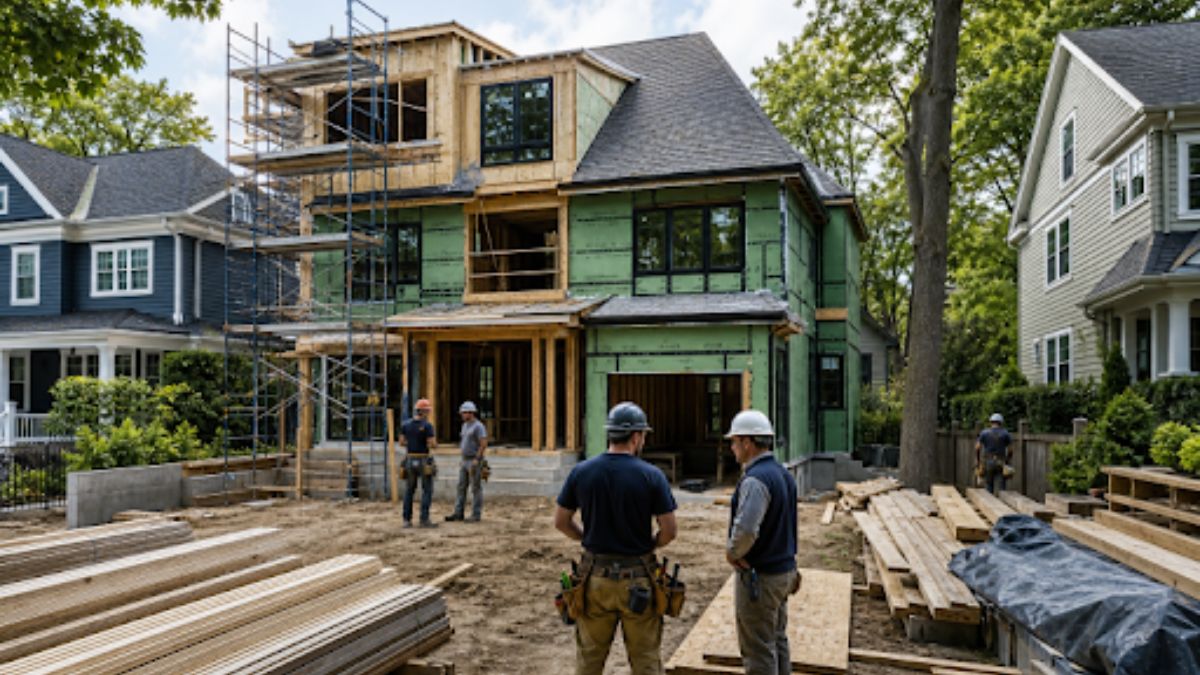
A custom home, major addition, or extensive renovation involves many connected decisions. Homeowners looking for a Boston Metro custom home builder can benefit from choosing a contractor whose process addresses estimating, job-site coordination, communication, and changes before construction begins.
Hammerhead Development Inc. approaches these projects through hands-on project management, regular contact with subcontractors and vendors, and a detailed estimating process based on plans, scope, and existing conditions. That structure helps homeowners understand what needs to be decided and when.
Why Can Custom Home Construction Be Difficult to Predict?
Custom construction is not a one-size-fits-all process. Plans may need to account for site conditions, existing structural details, material selections, municipal requirements, and trade scheduling. A project can also change when a homeowner revises a finish, layout, fixture, or feature after work has started.
The goal is not to suggest that every detail can be known on day one. Instead, homeowners should look for a process that identifies open questions early, documents the scope carefully, and keeps communication active as the work moves forward.
How Does Hammerhead Development Inc. Develop a Clearer Estimate?
According to its project process, Hammerhead Development Inc. begins by reviewing the plans and scope of work with the homeowner. The team documents existing conditions, creates a bid package for subcontractors and vendors, compiles the costs associated with the scope, and presents a final estimate for review.
This approach gives the homeowner a practical basis for discussing priorities before construction begins. It also creates an opportunity to identify selections or design decisions that may still need clarification. A detailed conversation at this stage can be more useful than relying only on a broad preliminary number.
Why Does Daily Oversight Matter During a Custom Build?
Hammerhead Development Inc. states that it manages projects daily, remains in constant contact with subcontractors and vendors, and makes an effort to visit each job site daily. Active oversight keeps the builder close to the work and can help bring site questions forward before they become larger coordination issues.
Issues That May Need Timely Attention
- Questions from a subcontractor about plans or sequencing.
- Material deliveries that affect the work schedule.
- Field conditions that differ from initial expectations.
- Work that needs clarification before the next trade begins.
- Homeowner decisions that affect an upcoming installation.
Homeowners should also recognize that the applicable code and permitting requirements depend on the property and municipality. The Massachusetts State Building Code includes residential provisions for one- and two-family homes and townhouses of three stories or less, while local officials administer permitting and inspections.
How Should Homeowners Handle Changes During Construction?
Changes can be part of a custom project, but prompt communication matters. A request may be simpler to evaluate before the affected materials are ordered or the related work is installed. Once completed, work must be removed, revised, or coordinated with another trade; the change can have broader consequences.
Questions to Ask Before Approving a Change
- What work, materials, or decisions does this change affect?
- Will the requested item alter the project timeline?
- Have the original materials already been ordered?
- Will the completed work need to be revised?
- Does the change require updated plans, approvals, or pricing?
- What is the deadline for making the final decision?
Discussing these questions with Hammerhead Development Inc. can help a homeowner weigh the value of a requested change against its potential effect on cost, schedule, and coordination.
Can Homeowners Stay in Their Residence During Construction?
Hammerhead Development Inc. explains that occupancy depends on the extent and size of the project and should be discussed at the initial meeting. A limited project in one area of a home may present different conditions than a full renovation, addition, or project involving major utility and structural work.
Important factors include access to bathrooms, kitchens, and bedrooms; utility interruptions; dust and noise; ventilation; and the ability to keep active work areas safely separated. For renovations involving a pre-1978 home, homeowners should also consider the EPA’s guidance for lead-safe work practices when painted surfaces may be disturbed.
Where Does Hammerhead Development Inc. Serve?
Hammerhead Development Inc. serves clients throughout the Boston Metro Area and South Shore. Its listed communities include Milton, Dedham, Needham, Newton, Brookline, West Roxbury, Hingham, Norwell, Cohasset, Duxbury, and Scituate, along with surrounding areas.
Homeowners should confirm service availability and project fit directly, particularly when a property has unusual site access, a complex scope, or a specific target timeline.
What Should You Include in a Builder Request?
A productive first conversation starts with the information available today. Include the property address and municipality, project type, approximate size, available plans or surveys, desired timeline, known site limitations, preferred materials or performance goals, occupancy concerns, and a budget range if one has been established.
You do not need every answer before reaching out. The purpose of a detailed request is to give the builder a useful starting point for discussing scope, conditions, and next steps.
How Can You Compare a Builder’s Process?
- Project management: Ask who will manage the work and how often the site is visited.
- Estimating: Ask how plans, existing conditions, subcontractors, vendors, and allowances are addressed.
- Communication: Ask how updates, decisions, and concerns will be shared.
- Changes: Ask how requests are reviewed, priced, documented, and scheduled.
- Occupancy: Ask what conditions would allow or prevent remaining in the home during work.
- Service area: Ask whether the builder regularly serves the property’s community.
Build With a More Informed Process
For Boston Metro and South Shore homeowners, a more organized construction experience begins with clear questions and a builder who stays engaged throughout the project. Hammerhead Development Inc. offers a process centered on detailed estimating, frequent site attention, coordination with project partners, and practical discussions about changes and occupancy.
-

 FASHION2 years ago
Elegant Winter Party Style: Trendy Long-Sleeve Dresses and Essential Hair Care Tips
-

 HOME2 years ago
Weather Related Event Closings Explained
-

 FASHION2 years ago
Top Kids Clothing Trends for 2025 – What’s In Style This Year?
-

 HOME2 years ago
Exploring the World of TG Tube: A Comprehensive Guide
-

 TRAVEL2 years ago
Travel Tips for Visiting Korpenpelloz: What You Need to Know
-

 EDUCATION2 years ago
Can You Wear a Different Coloured Contact Lens in Each Eye? The Science Behind Mismatched Vision
-

 NEWS2 years ago
Brad Dummer Obituary Pecatonica IL : Honoring a Beloved Community Member in Pecatonica IL
-

 AUTOMOTIVE2 years ago
Mitsubishi Pajero 3.0 V6 – Specs, Performance & Guide