
TRAVEL
Unlocking Adventure: Top Travel Tweaks Offers to Enhance Your Next Getaway

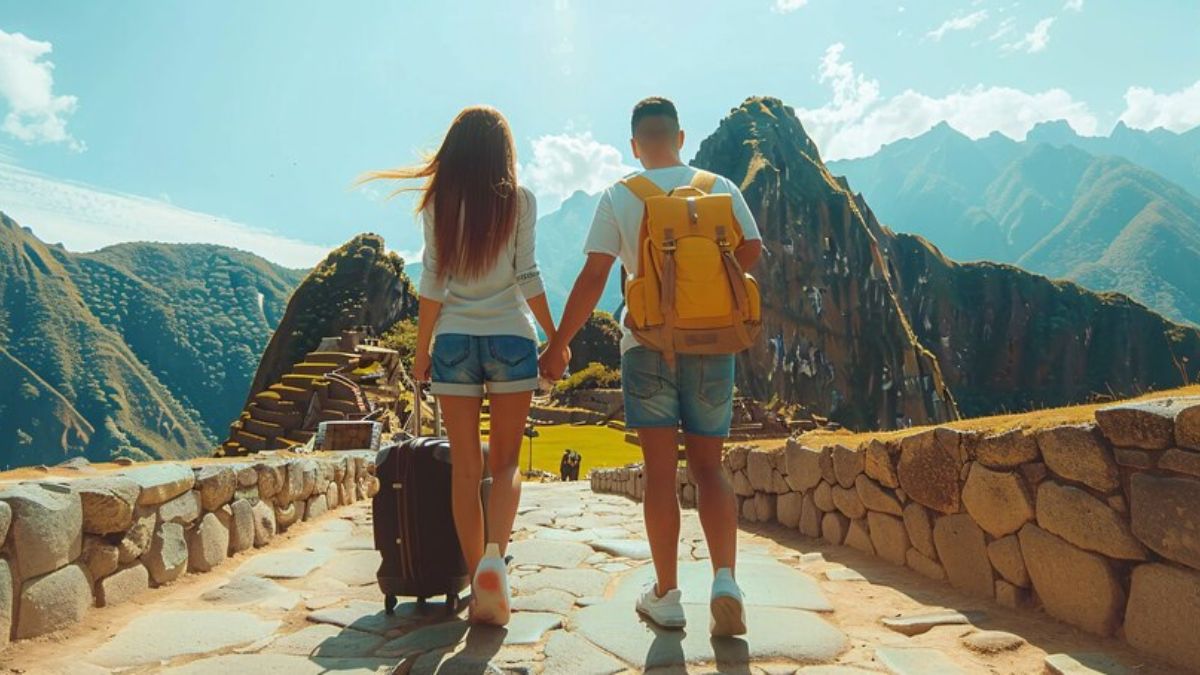
Travel has a magical way of transforming our perspectives. It opens doors to new cultures, flavors, and experiences that we often never knew we needed. But let’s face it: planning a trip can sometimes feel overwhelming. With so many details to consider, you might wonder how to elevate your adventures without the stress.
The good news? Small tweaks can lead to bigger rewards on your next getaway. From clever packing hacks to discovering hidden gems off the beaten path, there are countless ways to enhance your travel experience—without breaking the bank or using up all your vacation days. If you’re dreaming of a tropical escape, consider looking into a Tahiti package deal, which can offer the perfect balance of luxury and value. Ready for some game-changing ideas? Let’s dive into essential travel tweaks that will unlock unforgettable moments on your journey!
Why Travel Matters
Travel matters because it broadens our horizons. When we step outside our familiar surroundings, we expose ourselves to diverse cultures and lifestyles. These encounters challenge our perceptions and foster empathy.
Experiencing new places ignites curiosity. Each destination offers stories waiting to be discovered—historical landmarks, local traditions, and culinary delights enrich our understanding of the world.
Moreover, travel nurtures mental well-being. A change of scenery can provide much-needed respite from daily routines. It’s an opportunity for self-reflection and rejuvenation in nature’s embrace or vibrant urban settings.
Connecting with different people leaves lasting impressions too. Friendships formed on distant shores often transcend borders, reminding us of our shared humanity.
Travel fuels creativity. The sights and sounds of a new environment can inspire fresh ideas that you might not find at home. Embracing adventure enhances both personal growth and creative expression in ways that are truly invaluable.
Research and Planning Tips for a Memorable Trip
Researching your next adventure is key to creating unforgettable memories. Start by identifying what excites you: culture, nature, or cuisine? Each destination has a unique flavor waiting to be explored.
Dive into travel blogs and forums for firsthand experiences. They often reveal hidden gems that guidebooks overlook. Don’t shy away from local social media groups; they can offer real-time insights and tips.
Create a flexible itinerary that includes must-see attractions but leaves room for spontaneity. This balance allows for unexpected discoveries along the way.
Utilize apps designed for travelers. From currency converters to translation tools, technology can simplify your journey significantly.
Consider seasonal factors when planning your trip. Visiting during off-peak times not only saves money but also provides a more authentic experience, free from bustling crowds.
Packing Hacks to Maximize Space and Comfort
Packing efficiently can make or break your travel experience. Start by rolling your clothes instead of folding them. This method saves space and minimizes wrinkles.
Utilize packing cubes to organize items. You can easily separate outfits, accessories, and toiletries while maximizing every inch of that suitcase.
Don’t forget about the empty spaces in shoes. Tuck socks or small items inside to utilize this often-overlooked space.
For comfort on long journeys, consider a lightweight neck pillow that compresses down when not in use. It ensures rest without taking up much room.
Remember to pack versatile clothing pieces that mix and match well. A single jacket should work for both day explorations and evening outings, keeping you stylish yet comfortable throughout your trip.
Budget-Friendly Options for Adventure Enthusiasts
Adventure doesn’t have to break the bank. There are plenty of wallet-friendly options for those eager to explore.
Consider camping as a cost-effective way to immerse yourself in nature. National parks often offer affordable sites where you can pitch your tent and enjoy breathtaking views without spending much.
Hostels are another great option, providing budget accommodations with opportunities to meet fellow travelers. Many hostels also organize group activities like hiking or city tours at reduced rates.
Don’t overlook local eateries and street food. These options allow you to savor authentic cuisine while keeping costs low.
Look for free walking tours in cities around the globe; they provide insights from knowledgeable locals without a hefty price tag attached.
Public transportation is usually cheaper than taxis or rental cars, making it easier to visit multiple attractions economically.
Off-the-Beaten-Path Destinations to Add to Your Bucket List
When it comes to travel, the road less traveled often leads to the most memorable experiences. Consider venturing into the hidden gems of Albania, where stunning beaches meet ancient ruins. The coastal town of Ksamil remains blissfully untouched by mass tourism.
Trekking through Bhutan offers a glimpse into a world where happiness is measured in Gross National Happiness rather than GDP. Its breathtaking landscapes and rich culture will leave you inspired.
For something truly unique, explore Madagascar’s otherworldly terrain filled with bizarre baobab trees and vibrant wildlife found nowhere else on Earth.
Don’t overlook Georgia’s Tbilisi, a city that beautifully blends old-world charm with modern flair. Cobblestone streets lead you through art-filled alleys teeming with local cafés and warm hospitality waiting around every corner. Each destination presents an opportunity for genuine adventure far beyond the ordinary tourist hotspots.
Mindful Travel: Ways to Give Back While Exploring
Traveling offers a chance to experience new cultures, but it can also be an opportunity to make a difference. Mindful travel tweaks offers encourages you to consider the impact of your journey on local communities.
Choose eco-friendly accommodations that support sustainability initiatives and contribute positively to their surroundings. Volunteer opportunities abound in various destinations, allowing you to lend a helping hand while meeting locals.
Support local artisans by purchasing handmade crafts or dining at family-run restaurants. This not only enriches your experience but also stimulates the economy of the place you’re visiting.
Engage with community-based tourism projects that prioritize cultural exchange and preservation. These experiences often lead to more authentic interactions than typical tourist attractions.
Leave no trace behind: respect nature and environments by minimizing waste and following guidelines during outdoor activities. Each thoughtful action contributes to preserving the beauty of our world for future explorers.
Conclusion
Travel enriches our lives in countless ways. It broadens perspectives, creates lasting memories, and allows us to connect with diverse cultures. To make the most of your adventures, consider implementing these travel tweaks offers that enhance every aspect of your journey.
By investing time in research and planning, you can ensure a trip filled with unique experiences tailored just for you. Packing smartly not only saves space but also adds comfort to your travels. Exploring budget-friendly options keeps the adventure alive without breaking the bank.
Don’t forget to seek out those hidden gems—off-the-beaten-path destinations are often where true adventure lies. And as we explore new places, it’s vital to give back; mindful travel connects us more deeply with communities.
Every trip has its own story waiting to unfold. Embrace each moment and let these travel tweaks offers elevate your next getaway into something unforgettable. Adventure is calling—are you ready?


Flexibility and Personalization
Self-guided tours allow for a travel experience tailored entirely to individual interests and timelines. The ability to craft your own journey, paired with the freedom to linger where you wish or move on whenever you choose, can make all the difference for those who value autonomy. Modern travelers increasingly turn to self guided walking tours because these options allow the flexibility to immerse fully in the places and moments that resonate with them. Whether you want to spend hours in art galleries or stroll quietly through historic neighborhoods, the itinerary is yours to shape, free from external pressures or time constraints.
This sense of personal agency is especially valuable for those traveling in groups with varied interests. One person might crave historic landmarks, while another is drawn to culinary hotspots. With a self-guided approach, everyone can satisfy their curiosity and preferences, making the trip enjoyable for all. Additionally, flexibility means you can adapt your plans to changing weather, local festivals, and spontaneous discoveries, maximizing enjoyment at every step.
Interactive tools can help prevent missed highlights and provide backup information in multiple languages, making travel more inclusive and accessible. The integration of user reviews and local insights in these platforms offers personalized suggestions that enhance the journey, building confidence even among novice travelers.
Sustainable Tourism
Tourism’s impact on the environment and local communities is a growing concern for responsible travelers. Self-guided tours are an excellent choice for those seeking to minimize their footprint. Reduced reliance on buses and tour vehicles leads to lower carbon emissions, and the prevalent use of digital information eliminates much of the need for printed materials. Connecting with local environments on foot or by bike is not only eco-friendly but also enriches the traveler’s understanding of a destination’s culture and natural beauty.
This conscious approach aligns with global sustainability trends, as travelers increasingly seek experiences that support the health of the planet while respecting local traditions and economies. Self-guided tourism empowers individuals to make sustainable choices, from transportation options to dining at environmentally conscious venues.
Enhanced Engagement Through Gamification
Gamification has emerged as a compelling trend to boost traveler engagement in self-guided tours. Features such as interactive challenges, achievement badges, and location-based games encourage visitors to explore more actively and attentively. This playful spin makes historical sites, art walks, and nature trails more memorable, particularly for families and younger travelers who appreciate a mix of leisure and learning. Sharing earned badges or completed challenges on social media can turn the travel experience into a community event, inspiring friends and other travelers.
Supporting Local Businesses
One of the most rewarding aspects of self-guided tours is the support they offer to small, local businesses. Travelers, unbound by preset routes or schedules, naturally wander into family-owned restaurants, independent shops, and artisan markets that are often overlooked on mainstream tours. These encounters create opportunities for authentic cultural exchange and directly benefit the local economy. Choosing locally sourced products or regional specialties strengthens the community fabric and enriches the travel experience.
Overcoming Challenges
No travel method is without its challenges. Self-guided tourists occasionally miss out on expert interpretation or may overlook must-see attractions without professional guidance. To address this, it is advisable to utilize comprehensive digital guides, read traveler reviews, and map out points of interest in advance. Hybrid models are gaining traction, blending the freedom of self-guided exploration with optional on-demand expert insights via mobile platforms. This ensures that travelers enjoy the best of both worlds, combining deep learning with everyday spontaneity.
Final Thoughts
Self-guided tours are redefining modern travel by offering freedom, cost savings, and deeply personal experiences. Enabled by technological advancements and driven by a commitment to sustainability, this travel model is ideal for those seeking adventure on their own terms. By fostering local engagement and minimizing environmental impact, self-guided travel sets the stage for memorable, meaningful journeys for both travelers and the communities they visit.

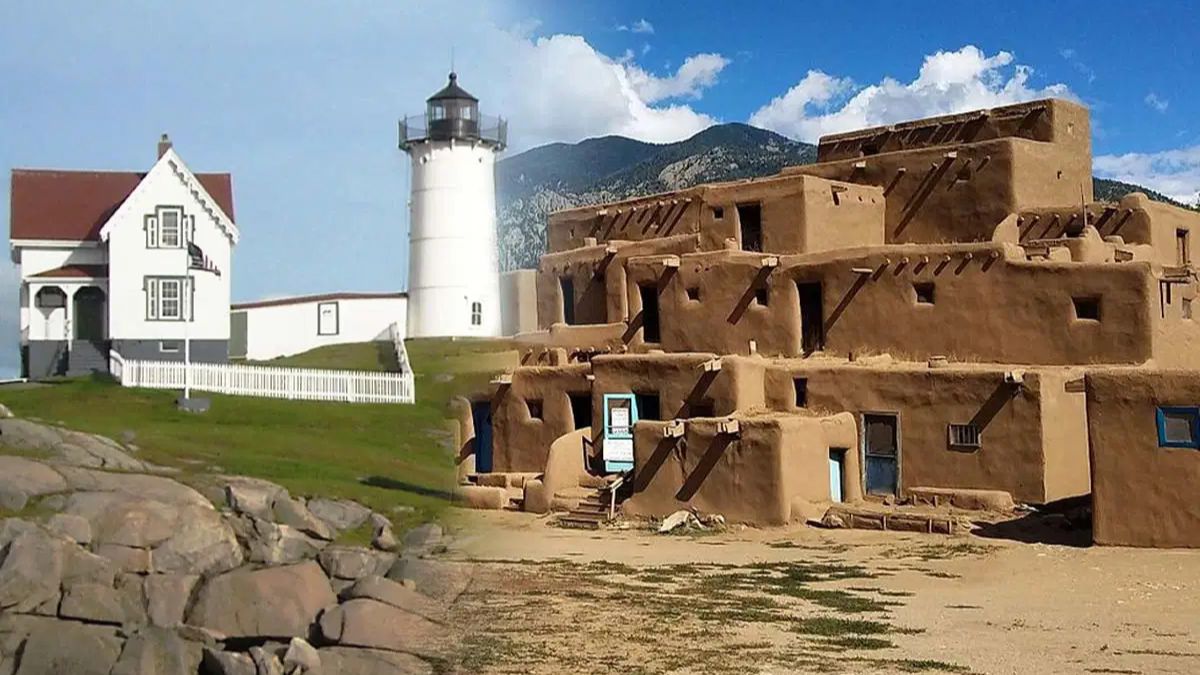
There is something extraordinary about walking through a city where the past feels alive. Cobblestone streets, ancient walls, and timeless architecture tell stories that modern buildings cannot. The allure of historic cities lies not only in their beauty but in their ability to transport travelers to another era. Exploring them allows us to connect with the people and cultures that shaped the world we live in today.
For many travelers, these destinations represent more than sightseeing, they are immersive journeys through living history. Whether you are tracing the footsteps of Roman emperors, wandering through medieval marketplaces, or admiring Renaissance art in its original setting, the experience is both humbling and inspiring. Some travelers even pair their explorations with leisurely journeys across the sea, such as Greek cruises that visit ports steeped in ancient legend and charm.
Here are some of the world’s most captivating cities where history feels tangible, and every turn reveals a window into the past.
Prague, Czech Republic
Prague is often described as a fairytale city, and once you step into its Old Town Square, it is easy to see why. The Gothic spires of the Church of Our Lady before Týn rise dramatically above colorful Baroque buildings, while the Astronomical Clock continues to mark time as it has for centuries. Crossing the Charles Bridge at sunrise, when the mist lingers over the Vltava River, feels like entering another world.
Prague’s charm lies in its ability to balance the old with the present. Cafés spill out onto historic cobblestones, and street musicians fill the air with classical melodies. The Prague Castle complex, one of the largest in Europe, overlooks the city as a reminder of its royal past.
Kyoto, Japan
Kyoto is the embodiment of preserved tradition. Once Japan’s imperial capital, it remains a haven of temples, tea houses, and tranquil gardens. The city has over a thousand temples, each with its own story, from the golden splendor of Kinkaku-ji to the peaceful rock garden of Ryoan-ji.
Walking through the narrow streets of Gion, you might glimpse a geisha hurrying to an evening appointment or hear the soft sound of a bamboo fountain in a hidden courtyard. Kyoto’s magic lies in its quiet elegance, where centuries-old customs coexist with modern life. It is a city that encourages stillness and reflection, qualities that are increasingly rare in the modern world.
Dubrovnik, Croatia
Encircled by sturdy stone walls and surrounded by the Adriatic Sea, Dubrovnik has been captivating visitors for centuries. Known as the “Pearl of the Adriatic,” this city’s terracotta rooftops and marble streets have witnessed both grandeur and resilience. The Old Town is a maze of narrow lanes, with hidden squares and historic churches waiting to be discovered.
Walking along the city walls offers sweeping views of the sea and the distant islands. It is easy to imagine medieval merchants and sailors bustling below, trading goods and stories. Dubrovnik’s enduring beauty is why so many travelers return to experience it again, often as part of coastal voyages that include nearby ports and islands.
Cusco, Peru
Once the capital of the Inca Empire, Cusco is a city where two worlds meet. Spanish colonial churches rise above Inca stone foundations, and traditional markets buzz with color and life. The city’s heart, Plaza de Armas, is lined with arcades and balconies that look out over centuries of history.
Beyond its architecture, Cusco’s atmosphere carries the spirit of its ancestors. Travelers often use the city as a base to explore Machu Picchu, but Cusco itself offers endless discovery. From local cuisine flavored with Andean ingredients to handwoven textiles that preserve ancient techniques, every detail tells a story of resilience and identity.
Florence, Italy
Florence feels like a living museum of art and architecture. The birthplace of the Renaissance, it is home to masterpieces that have shaped the course of Western culture. Standing beneath the dome of the Cathedral of Santa Maria del Fiore or before Michelangelo’s David, one cannot help but feel awe at the genius of human creativity.
Yet Florence is not frozen in time. Its energy comes from the locals who fill its markets, cafés, and workshops. Strolling across the Ponte Vecchio at sunset or tasting gelato along the Arno River connects travelers not only with history but also with the timeless pleasure of everyday life.
Fez, Morocco
Fez is a sensory experience that pulls you deep into its medieval roots. The old medina, a labyrinth of narrow alleys and bustling souks, remains largely unchanged from centuries past. Donkeys still carry goods through the winding paths, and artisans practice traditional crafts in small workshops.
The smell of leather from the tanneries mixes with the aroma of spices and mint tea. The city’s architecture, from intricately tiled mosques to ornate courtyards, reflects Morocco’s layered cultural influences. Getting lost in Fez is part of the adventure, as each turn reveals something new and ancient all at once.
Athens, Greece
Athens stands as one of the world’s great crossroads between the past and present. The Acropolis, perched high above the city, continues to watch over it much as it did thousands of years ago. Exploring the Parthenon or the ancient Agora feels like walking through the foundations of Western civilization.
Yet Athens is far from just a relic of history. It pulses with modern life—street art, lively cafés, and contemporary galleries all exist alongside its ancient monuments. Many travelers extend their time here by exploring nearby islands, often setting sail on Greek cruises that visit places where mythology and history intertwine.
Cartagena, Colombia
Cartagena radiates warmth, both in its climate and its character. The walled city, with its pastel-colored buildings and flower-covered balconies, is a jewel of colonial heritage. Walking along its cobbled streets, you can sense the stories of sailors, traders, and explorers who passed through its harbor centuries ago.
The Caribbean breeze and the rhythm of local music give the city an irresistible charm. Beyond the walls, Cartagena’s beaches and nearby islands offer a modern complement to its historic heart. It is a destination that invites both exploration and relaxation.
Bruges, Belgium
Bruges is a city where every view looks like a painting. Its canals reflect medieval buildings, and its quiet streets seem untouched by time. Horse-drawn carriages move along the cobblestones, and the chime of church bells echoes across the market square.
Visitors can climb the Belfry for panoramic views or savor Belgian chocolate in a cozy café. The city’s slower pace encourages wandering without agenda. In Bruges, history feels close enough to touch, and even a simple walk becomes a journey through centuries.
The Enduring Appeal of the Past
Historic cities offer more than architecture and artifacts. They remind us that time is a continuum and that the human experience is shared across generations. Traveling to these places invites perspective—it slows us down and allows us to see beauty in endurance.
From the intricate temples of Kyoto to the golden glow of Florence at dusk, each of these cities tells a different story. And for travelers eager to weave history into their journeys, whether through inland exploration or voyages across storied seas like those on Greek cruises, the world’s most historic cities promise something few modern destinations can offer: the feeling of stepping into another time, and finding that some parts of humanity never really change.

The holiday idea has changed. Instead of barreling through busy agendas, travelers are looking for experiences that are clean and nourishing — both for body and spirit. They yearn for time, space, nature, good food, and above all – they want to feel good while traveling, not exhausted when they get back home.
When one thinks of the best and the most joyful country to slow travel, the first that comes to the mind of many is, undoubtedly, Italy. Here in Italy, dolce vita, slowness and wellbeing are the norm – and you see it especially by the sea. The coastline is not a setting but a way of life. Below is an overview of some of Italy’s most relaxed coastal towns where you can relax, recharge, and live summer the way it’s always been meant to be lived.
Taormina, Sicily
Taormina is no longer a hidden place, but if you’re in the know, and at the right time, it still can be. Just above the Ionian Sea, this Sicilian hill town is as charming as it is calming. Ancient Greek theatres, stepped gardens, alleys, and views that extend all the way to Mount Etna.
The pace of the town is slow, particularly during off-peak hours. Cappuccino, beach views, siesta, shaded strolls, tranquil swims, gentle light, live music, and long dinners — they’re all synonyms with Taormina.
For those who are looking for something truly special, take the time to see the secret gardens in Taormina, where nature, history, and quiet blend in lovely harmony. They’re peaceful, beautifully maintained, and a tranquil oasis from the more lively part of town.
Lerici, Liguria
Whereas the Cinque Terre steals the show, south of it, just as quiet and picturesque an alternative, is Lerici. It possesses all the same breathtaking cliffs and multicolored houses but none of the shoulder-to-shoulder throngs.
Here, you can stroll the coast in your own time, travel by small boat to neighboring coves, or chill out in a cafe in the central square with no intention of leaving for a couple of hours. Sea is clean and safe for swimming, food is excellent (lots of seafood and Ligurian pesto), and atmosphere is local even during the season.
Porto Ercole, Tuscany
On the Monte Argentario peninsula, Porto Ercole merges rustic Tuscan beauty with the brine of the Tyrrhenian Sea. It’s where Italians head to hide out for a few days—no flash, no scene, but simple beauty and understated elegance.
The village is picturesque but compact, with a small harbor, pastel-colored houses, and some wonderful seafood restaurants. Wellbeing here doesn’t come from a spa treatment list, it comes from being far enough away from the traffic, stress, and noise.
Maronti Beach, Ischia
Off the Neapolitan coast lies Ischia, renowned for its hot springs and volcanic scenery. It’s not as elegant as neighboring Capri but all part of its charm. Ischia is ideal for slow travel — especially around Maronti Beach, one of its longest and most peaceful stretches of sand.
The twist is the natural hot springs bubbling up just below the beach. You can even dig a shallow hole and have your own warm sea soak. Add on some healing mud and sea airs, and you have a spa experience you will not find on hotel menu.
Castellabate, Campania
South of the Amalfi Coast, inside the Cilento National Park, lies Castellabate, a medieval hill town with views of a coastline. This is the kind of place where summer is still like the 1980s — kids kicking soccer balls in the square, nonnas gossiping on benches, and sun umbrellas that have been passed down in families for generations.
The water is clean and serene here, and the beaches are never crowded. You can spend time exploring pine forests, ancient Greek ruins, or choosing to spend your days floating in the water and observing clouds.
Termoli, Molise
Italy’s least-visited province is Molise, and its seaside treasure is Termoli. Its pastel-colored old town and sandy beaches make Termoli comfortingly beautiful.
There’s no luxury hotels or upscale restaurants to speak of, but in their stead is something much harder to come by: a genuine Italian town enjoying its summer, with room for you to join the party.
It’s ideal for visitors who want to unwind, eat, and maybe even sleep under a beach umbrella without the necessity of an alarm clock.
San Vito Lo Capo, Sicily
On Sicily’s northwest coast, San Vito Lo Capo surprises visitors. It looks Caribbean, not Mediterranean: soft white sand, shallow blue water, and easy-going ambience that’s welcoming to everyone looking for some rest.
What distinguishes it is its North African taste. San Vito is famous for its couscous festival, and the food brings together Sicilian and Arab flavors in a blend that’s at once familiar yet utterly one-of-a-kind.
This summer choose a place where you can be, not go, as the greatest memories aren’t rushed, but lived truly. Reconnect with yourself on one of the most beautiful Italian seasides, as they’re all waiting for you.
-

 FASHION2 years ago
Elegant Winter Party Style: Trendy Long-Sleeve Dresses and Essential Hair Care Tips
-

 HOME2 years ago
Weather Related Event Closings Explained
-

 FASHION2 years ago
Top Kids Clothing Trends for 2025 – What’s In Style This Year?
-

 TRAVEL1 year ago
Travel Tips for Visiting Korpenpelloz: What You Need to Know
-

 HOME2 years ago
Exploring the World of TG Tube: A Comprehensive Guide
-

 EDUCATION1 year ago
Can You Wear a Different Coloured Contact Lens in Each Eye? The Science Behind Mismatched Vision
-

 AUTOMOTIVE2 years ago
Mitsubishi Pajero 3.0 V6 – Specs, Performance & Guide
-

 BUSINESS2 years ago
HOW TO SHOP GOODWILL OUTLET STORE