
HOME
Aoomaal Uncovered: The Story Behind the Brand and Its Vision

Discovering the story behind a brand often reveals more than just its products; it unveils a journey filled with passion, innovation, and purpose. Aoomaal is one such brand that captivates not only through its unique offerings but also through the vision of its founder. Nestled at the intersection of creativity and sustainability, Aoomaal is reshaping how we think about everyday essentials. Join us as we delve deeper into what makes this brand stand out in a crowded marketplace and uncover the heart and soul behind Aoomaal’s mission.
The Inspiration Behind the Brand
Aoomaal’s journey began with a simple yet profound idea: to celebrate the beauty of cultural heritage through modern design. The founder was inspired by vibrant tapestries and intricate patterns seen in their travels across various regions.
Each piece tells a story, intertwining tradition with contemporary aesthetics. This melding creates something truly unique that resonates on multiple levels.
The passion for craftsmanship shines through every product Aoomaal offers. It’s not just about creating beautiful items; it’s about preserving art forms that might otherwise fade into obscurity.
Every collection reflects deep respect for artisans and their skills. By honoring these traditions, Aoomaal aims to keep them alive while engaging a global audience eager for authenticity and connection.
Aoomaal’s Mission and Vision
Aoomaal stands out with a clear mission: to create sustainable and innovative products that enhance everyday living. This brand is not just about selling items; it’s about fostering a lifestyle rooted in mindfulness and sustainability.
The vision behind Aoomaal revolves around empowering individuals. By providing eco-friendly alternatives, the brand encourages consumers to make conscious choices. Each product tells a story of care for both people and the planet.
Aoomaal aims to bridge tradition and modernity. The goal is to celebrate craftsmanship while embracing contemporary design trends. This dual focus creates unique offerings that resonate with diverse audiences.
Aoomaal aspires to inspire change within communities. Through education and awareness, it hopes more people will join the movement toward sustainable living.
Unique Features of Aoomaal Products
Aoomaal stands out in the market with its innovative approach to product design. Each item reflects a fusion of modern aesthetics and traditional craftsmanship.
One unique feature is the use of ethically sourced materials, ensuring that every product not only looks good but also respects nature. This commitment resonates deeply with environmentally conscious consumers.
The brand prioritizes functionality alongside beauty. Aoomaal products are designed for everyday use while maintaining an artistic flair.
Additionally, customizability sets Aoomaal apart. Customers can personalize their purchases, adding a special touch that transforms each item into something uniquely theirs.
Moreover, sustainability is woven into every aspect of production. From eco-friendly packaging to low-waste manufacturing processes, Aoomaal aims to minimize its environmental footprint.
With these distinctive features, Aoomaal captures the essence of thoughtful design and responsible consumption.
A Look into the Manufacturing Process
Aoomaal takes pride in its meticulous manufacturing process. Each product begins with high-quality materials sourced from sustainable suppliers. This ensures that every item not only meets aesthetic standards but also aligns with ethical practices.
Craftsmanship is at the heart of Aoomaal’s operations. Skilled artisans bring designs to life, combining traditional techniques with modern innovations. Their attention to detail guarantees durability and uniqueness in every piece produced.
Quality control is paramount throughout the journey. Each product undergoes rigorous testing before it reaches consumers, ensuring functionality meets style seamlessly.
The production facility itself reflects Aoomaal’s commitment to sustainability. Eco-friendly practices are integrated into daily operations, minimizing waste and energy consumption while maximizing efficiency.
This thoughtful approach doesn’t just create standout products; it fosters a connection between consumers and their purchases, rooted in transparency and responsibility.
Impact on the Community and Environment
Aoomaal is more than just a brand; it’s a movement. The company actively engages with local artisans, providing them with fair wages and sustainable livelihoods. This collaboration not only empowers individuals but also helps preserve traditional crafts that might otherwise fade away.
Environmentally, Aoomaal takes strides to minimize its footprint. They source materials responsibly, opting for eco-friendly options whenever possible. Each product reflects this commitment, showcasing the beauty of nature while ensuring it remains protected.
Moreover, community initiatives are at the heart of Aoomaal’s operations. From educational workshops to supporting local charities, they strive to uplift those around them. This holistic approach means that every purchase contributes positively back into society and the planet.
Through these efforts, Aoomaal nurtures an ecosystem where people thrive alongside nature—a true testament to their values and vision for a better world.
Future Plans for Aoomaal
Aoomaal is continuously evolving, with an eye toward the future. The brand aims to expand its product line to include more sustainable options that cater to a wider audience.
Plans are already in motion for collaborations with local artisans. This initiative not only supports craftsmanship but also enriches Aoomaal’s offerings by blending tradition and modernity.
Additionally, Aoomaal envisions entering international markets. By sharing its unique story and products globally, the brand hopes to inspire others while promoting ethical consumption practices worldwide.
Investing in innovative technologies is another priority. Enhanced manufacturing processes will help maintain quality while reducing environmental impact.
Community engagement remains at the heart of Aoomaal’s vision. Workshops and outreach programs are on the horizon to educate consumers about sustainability and responsible choices.
Conclusion
Aoomaal stands as a testament to the blend of creativity and purpose. From its inception to its ongoing journey, the brand encapsulates a vision that resonates with many. The commitment to community and environment reflects a deeper understanding of business beyond mere profit-making.
The unique features of Aoomaal’s products appeal not just aesthetically but also ethically. With every item designed thoughtfully, consumers feel connected to the story behind each piece. The manufacturing process emphasizes sustainability, ensuring that quality does not come at the expense of our planet.
As Aoomaal looks toward the future, there is an undeniable excitement in their plans for expansion and innovation. They aim to inspire others while staying true to their core values. This dedication shapes what they do every day.
In essence, Aoomaal isn’t just a brand; it’s a movement rooted in passion and responsibility. Their journey is one worth following as they continue to unfold new chapters filled with inspiration and impact.

Industrial chemical blending forms the foundation of many manufacturing processes, shaping the products that people rely on daily. From pharmaceuticals to consumer goods, chemical blending is crucial for both quality and consistency. Companies known as Chemical Blenders play an essential role in this landscape, offering expertise and innovation to meet the demands of diverse industries.
Blending is not just about mixing substances. It is a precise science that ensures every batch meets established standards for safety, efficacy, and performance. This attention to detail enables manufacturers to deliver reliable products to consumers, which builds trust and drives repeat business across the marketplace.
The Importance of Chemical Blending in Manufacturing
Chemical blending involves carefully combining chemical substances to formulate products with desired properties, textures, and effectiveness. This critical step determines whether a product meets industry specifications, regulations, and customer expectations. For example, in the pharmaceutical sector, blending must be precise to ensure that each tablet or capsule contains the exact medication dosage, directly influencing consumer safety and therapeutic outcomes.
Beyond the pharmaceutical industry, chemical blending underpins everything from agricultural chemicals to food production. It allows manufacturers to scale operations while maintaining strict batch-to-batch consistency, which is essential for sensitive applications or stringent regulatory controls.
Applications Across Various Industries
The impact of industrial chemical blending reaches into nearly every sector, making it a truly versatile process:
- Pharmaceuticals: Blending is central to the uniformity and safety of medications, ensuring patients receive the intended dose.
- Agriculture: Fertilizers, pesticides, and herbicides require specific blends for different crop types; custom formulations can directly improve yields and crop health.
- Consumer Goods: The blending of household cleaners, cosmetics, and food additives must be exact to guarantee performance, safety, and compliance.
This broad range of applications highlights why industrial chemical blending is regarded as foundational for modern living and industrial growth. Manufacturers depend on blending to introduce new products, optimize existing formulas, and adapt to market changes.
Technological Advancements in Chemical Blending
Recent years have seen remarkable strides in the technology powering chemical blending. Advanced blending systems now utilize process automation, robotics, and artificial intelligence to monitor, control, and optimize production lines. Technologies such as real-time analytics, automated batch tracking, and digital sensors help companies reduce human error, increase speed, and deliver predictable results, as Forbes outlines.
For instance, automated dosing equipment ensures that even the smallest components are measured correctly, while process control software can adjust parameters instantly based on feedback data. The implementation of AI and machine learning reduces waste and improves process repeatability, lowering costs and enhancing quality across manufacturing settings.
Challenges in Chemical Blending Processes
Despite ongoing technological improvements, several persistent challenges can impact the effectiveness and safety of chemical blending operations:
- Quality Control: Maintaining consistency across batches is labor-intensive and requires ongoing process verification, documentation, and testing. Small deviations can compromise product safety and performance.
- Safety Concerns: Many chemicals require careful handling to prevent exposure or accidents. This requires robust personal protective equipment, staff training, and emergency protocols.
- Environmental Impact: Managing the storage, use, and disposal of chemicals is a major responsibility. Improper handling can result in hazardous emissions or contamination, making compliance with environmental standards crucial.
Sustainability and Environmental Considerations
Sustainability is becoming central to industrial chemical blending, with companies adopting greener practices. Several promising trends are shaping the future of chemical blending. Users are now incorporating robotics to embrace automation and digitalization further, and to adopt circular-economy principles to reduce the industry’s environmental footprint. For example, Forbes has reported on the chemical sector’s efforts to lower carbon emissions and enhance sustainability.
The adoption of green chemistry enables companies to formulate safer products with lower hazard ratings, minimize the generation of toxic byproducts, and optimize waste management across their supply chains. This holistic approach supports brand reputation while contributing to climate and ecological goals.
Future Trends in Chemical Blending
The future of chemical blending is being shaped by several promising trends. Manufacturers are expected to further embrace automation and digitalization, integrating AI and robotics to free up human resources for higher-level problem-solving and innovation. The ability to produce personalized products, such as custom pharmaceutical blends and niche consumer goods, will grow as flexible production capabilities expand.
Environmental progress will also continue, with companies leveraging sustainable materials and closed-loop systems to meet tough environmental requirements and consumer preferences. These advancements will further boost reliability and drive market growth in an adaptive, responsible manner.
Conclusion
Industrial chemical blending is at the heart of global manufacturing, supporting everything from healthcare products to food and consumer goods. As manufacturers navigate evolving technological landscapes and heightened sustainability demands, those who innovate and adopt responsible practices will set the standard for quality and reliability in the years to come.
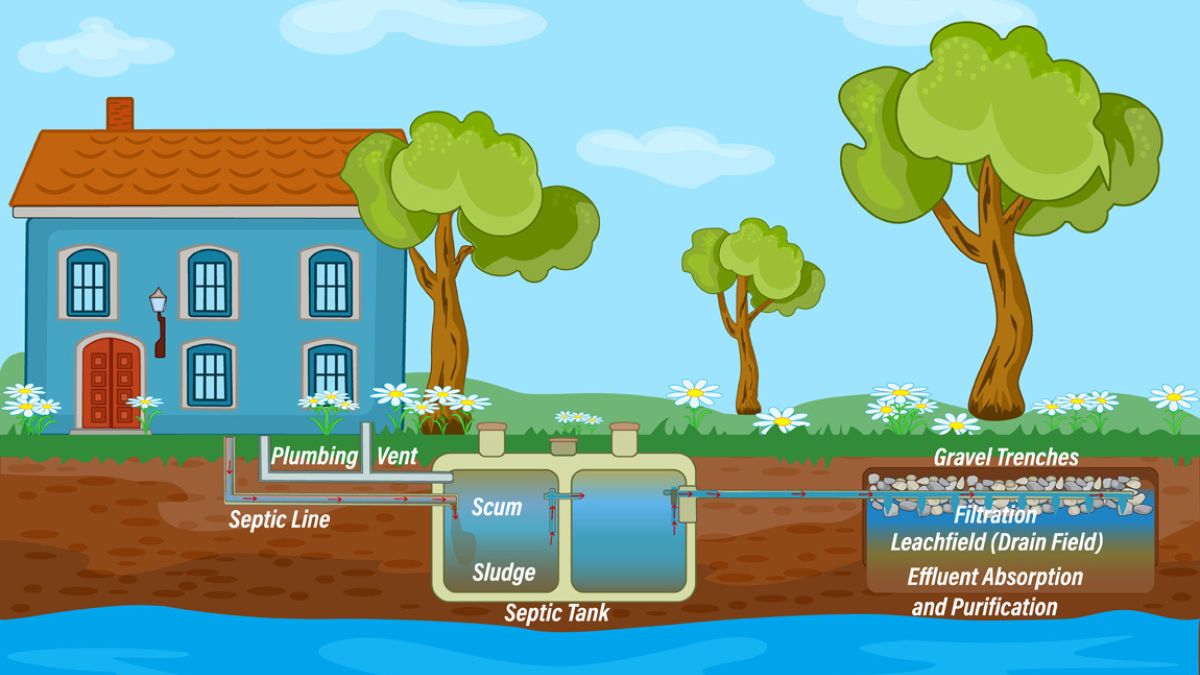
Maintaining your septic system is crucial for the health of your home and the environment. A well-maintained system can last for decades, while neglect can lead to costly repairs and environmental hazards. For residents in the Orlando area, A & L Septic Products Inc. offers comprehensive services, including septic tank maintenance Orlando FL, installation, and manufacturing of high-quality concrete septic tanks and grease traps.
Schedule Regular Inspections and Pumping
Regular inspections and pumping are vital to prevent system failures. The Environmental Protection Agency (EPA) recommends having your septic system inspected every 3 years and pumped every 3 to 5 years, depending on usage and household size. This routine maintenance helps remove sludge buildup and ensures the system operates efficiently.
If you’re unsure about the last time your tank was pumped, it’s better to err on the side of caution. Septic pros can determine the current state of your tank, evaluate sludge and scum layers, and recommend an appropriate pumping schedule aligned with your household’s habits. Keeping up with these appointments helps prevent the unpleasant surprise of backups in your sinks, toilets, or bathtubs.
Be Mindful of Water Usage
Excessive water use can overload your septic system, leading to potential failures. Implement water-saving practices such as promptly fixing leaks, installing high-efficiency fixtures, and spreading laundry loads throughout the week. These measures help maintain the balance within your septic system and extend its lifespan.
Water conservation not only supports the environment but also protects your septic system from becoming overwhelmed. Dishwashers and washing machines should be used with full loads, and showers should be kept short to limit the amount of water entering the system at once. Simple practices, such as turning off the faucet while brushing teeth and installing low-flow showerheads and toilets, can significantly reduce daily water consumption.
Watch What You Flush
Only human waste and toilet paper should be flushed down the toilet. Avoid disposing of items such as wipes (even those labeled “flushable”), feminine hygiene products, diapers, and household chemicals, as they can clog the system and disrupt the natural bacterial balance required for waste breakdown.
Kitchen sinks are another common area for misuse. Grease, coffee grounds, and food scraps should never go down the drain, as they contribute to build-up and possible clogs. Instead, dispose of food waste in the trash or a compost bin where appropriate.
Protect Your Drainfield
The drainfield is a critical component of your septic system. To protect it:
- Keep vehicles and heavy equipment off the area to prevent soil compaction.
- Plant only grass over and near the drainfield to avoid root intrusion.
- Direct rainwater and surface runoff away from the drainfield to prevent saturation.
Saturated or compacted soil can’t properly absorb and filter effluent, causing backups or pooling in your yard. It’s also wise to avoid placing structures like decks or pools near the drainfield, as this can disturb essential underground pipes and soil. Understanding exactly where your drainfield is located can make it easier to protect and maintain.
Use Septic-Safe Products
Choose septic-safe cleaning products to avoid killing the beneficial bacteria in your system. Harsh chemicals can disrupt the bacterial balance, leading to system inefficiencies and potential failures.
Liquid drain cleaners, antibacterial soaps, bleach, and strong detergents can be particularly harmful. Opt for natural or biodegradable alternatives, and always follow manufacturer recommendations for safe amounts. Those living in homes with water softeners or automatic toilet bowl cleaners should seek products specifically formulated for septic systems.
Keep Records of Maintenance
Maintain detailed records of all inspections, pumping, repairs, and any other maintenance activities. This documentation is valuable for troubleshooting issues and can be beneficial if you decide to sell your home.
These records provide a clear maintenance history that can save time and money during future appointments, and technicians can track recurring issues or changes in the system. Additionally, well-organized records reassure potential buyers that your system has been properly maintained, supporting your property’s value when it’s time to sell.
Educate Household Members
Ensure that everyone in your household understands the importance of proper septic system care. Educating family members about what can and cannot be flushed or drained helps prevent accidental damage to the system.
Clear communication and posted reminders in bathrooms and kitchens can help reinforce good habits, especially among children or guests unfamiliar with septic restrictions. Discussing septic-friendly cleaning and disposal methods as part of your household routine ensures everyone is on the same page regarding system care.
Seek Professional Assistance
When in doubt, consult with a professional. A & L Septic Products Inc., serving the Orlando, FL area, offers expert septic tank maintenance services. Their team provides comprehensive inspections, pumping, and repairs to keep your system functioning optimally.
Professionals will not only address issues when they arise but can also provide preventive guidance to maximize your system’s lifespan. They can handle situations such as unfamiliar odors, soggy patches above the drainfield, or slow-draining fixtures, all of which are signs of potential septic challenges. Scheduling routine professional check-ups and asking for personalized recommendations based on your property’s unique setup is an investment in your home’s future.
Why Septic System Maintenance Matters
Neglecting septic maintenance can lead to sewage backups, foul odors, and groundwater contamination, affecting drinking water and nearby streams or lakes. Not only do such hazards threaten your family’s health and comfort, but local authorities may also impose steep fines or require expensive remediation for environmental violations. Proper maintenance saves you money, provides peace of mind, and protects community health and local water resources.
Signs Your Septic System Needs Attention
- Gurgling sounds in plumbing
- Foul or unusual odors around the tank or drainfield
- Slow-draining sinks, tubs, or toilets
- Wet spots or lush, green grass over the drainfield
- Sewage backups in the home
If you notice any of these indicators, it’s time to schedule an inspection immediately to avoid major repairs and disruptions.
Conclusion
By following these tips and scheduling regular maintenance, you can ensure the longevity and efficiency of your septic system, protecting both your property and the environment. Routine care, ongoing education, and partnership with experienced professionals like A & L Septic Products Inc. offer peace of mind and will keep your septic system running smoothly for years to come.

In today’s aerospace landscape, the push for lighter, more efficient, and higher-performing aircraft has propelled significant changes in fastener technology. Fasteners, often overlooked but essential components, are central to maintaining aircraft integrity and operational safety. The growing complexity of aerospace engineering has prompted the industry to seek advanced solutions from hardware distributors who can provide innovative fastening products and expertise. These developments are driving both the pace and precision of aircraft design and production, ensuring that safety and quality standards remain exceptionally high.
The rapid evolution of fastener materials, designs, and installation processes is fundamentally reshaping the aerospace sector. The right fastener, made from superior materials and designed with aerodynamic requirements in mind, directly affects an aircraft’s weight, fuel consumption, and adaptability across various environments. This article delves into the most recent advancements in fastener solutions and demonstrates how they are influencing modern aviation at every stage, from design and engineering to final assembly.
Advanced Materials Enhancing Performance
One of the primary advances in fastener development is the transition from traditional steel to materials such as titanium, advanced aluminum alloys, and composites. These lightweight alternatives offer improved strength-to-weight ratios, reducing the aircraft’s overall weight while maintaining, or even increasing, the structural resilience needed for demanding conditions. Titanium fasteners, for example, have become an industry standard due to their high corrosion resistance and ability to withstand both extreme temperatures and stress cycles, all while saving weight and lowering emissions. Industries leveraging these material advancements are seeing direct benefits, including increased aircraft fuel efficiency and extended component service life.
Smart Fasteners for Real-Time Monitoring
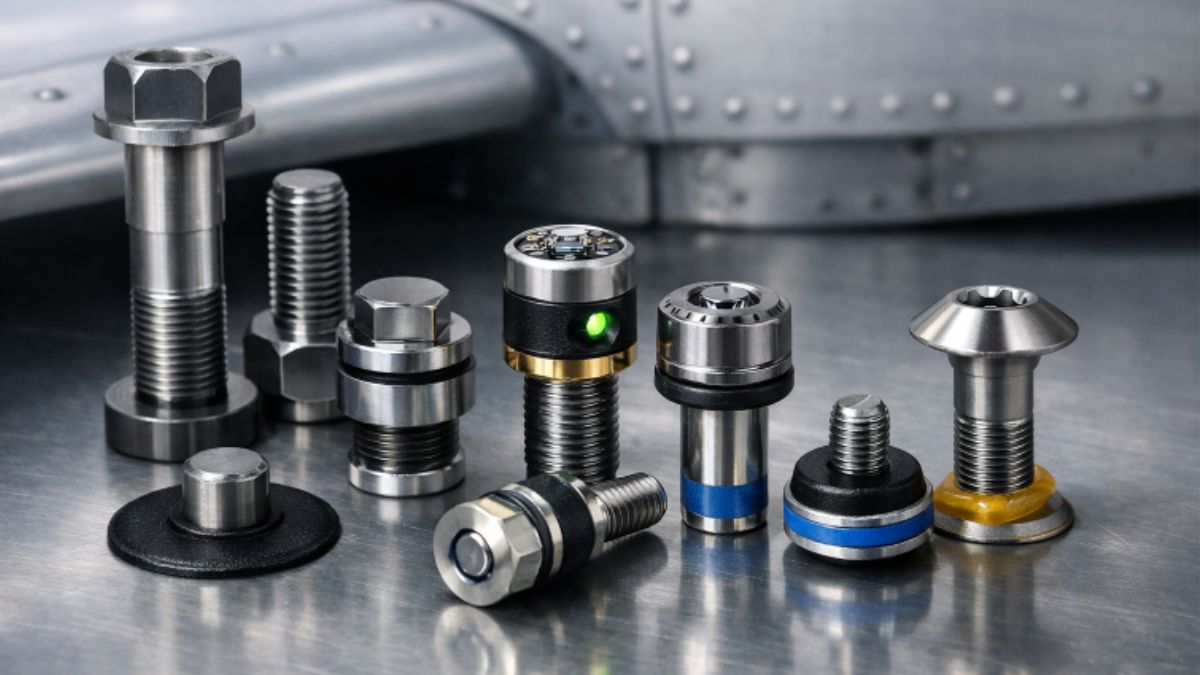
Another groundbreaking trend is the development and adoption of smart fastener technology. By integrating sensors directly into fasteners, engineers and maintenance teams can receive immediate, real-time data on tension, stress, and the overall health of critical joints. These sensor-enabled fasteners provide early detection of faults, such as loosening, structural fatigue, or preload shifts, which are vital for timely repairs and scheduled maintenance. Load-indicating bolts equipped with strain gauges, for instance, enable mechanics to remotely monitor the stress level without physically dismantling or rechecking components. The information these smart systems provide helps airlines and manufacturers adopt predictive maintenance models, minimizing unscheduled downtime and increasing aircraft availability.
Automation in Fastener Installation
Automation is playing an increasingly important role in aerospace manufacturing, specifically in fastener installation. Modern assembly lines now make use of AI-powered robotics and intelligent automation systems to ensure every fastener is installed to precise specifications. These advanced robots can adapt to various geometries and assembly tasks, significantly reducing human error and ensuring consistently high quality standards. Automated systems also accelerate production cycles, which is critical as the industry faces growing demand for new aircraft. By streamlining processes and introducing unprecedented levels of accuracy, automation has become a key facilitator of both efficiency and safety in aerospace manufacturing.
Hybrid Fastening Systems
The quest for greater durability and reliability has given rise to hybrid fastening systems that combine the strengths of mechanical fastening with the enhanced bonding properties of adhesives. Such systems provide immediate clamp force, greater joint stiffness, and increased fatigue life, all of which are essential for components subjected to cyclic loads or high vibration. Some newly developed fasteners have pre-applied adhesives that activate upon compression, delivering both robust mechanical interlock and reliable chemical bonding in a single step. This dual approach not only secures components more effectively but also simplifies the assembly process, further improving turnaround times in aircraft production.
Addressing Challenges with Thin Materials and Composites
As manufacturers increasingly use thin structural materials and carbon-fiber composites, they face new fastening challenges. Traditional fasteners can sometimes induce localized stresses or damage when applied to delicate or layered composites. Innovative solutions, such as multidirectional inserts and load-distributing fasteners, have emerged to address these issues. By distributing forces more evenly and minimizing the risk of deformation, these advanced fastener systems help preserve the structural integrity of lightweight materials. Their adoption is particularly important in high-stress areas like wing assemblies and fuselage joins, where reliability is paramount.
Conclusion
The ongoing innovation in fastener technology is the backbone of the future of aircraft design and manufacturing. From the adoption of lightweight, high-performance materials to the widespread use of smart technologies and automation, these advancements help make aircraft lighter, safer, and more efficient. As the aerospace industry continues to embrace the most advanced engineering concepts, expert suppliers and resource partners remain crucial for integrating the latest solutions into every stage of development and production. The relentless progress in fastener design will continue to set new standards for safety, reliability, and environmental responsibility in aviation.
-

 FASHION2 years ago
Elegant Winter Party Style: Trendy Long-Sleeve Dresses and Essential Hair Care Tips
-

 HOME1 year ago
Weather Related Event Closings Explained
-

 FASHION1 year ago
Top Kids Clothing Trends for 2025 – What’s In Style This Year?
-

 TRAVEL1 year ago
Travel Tips for Visiting Korpenpelloz: What You Need to Know
-

 HOME1 year ago
Exploring the World of TG Tube: A Comprehensive Guide
-

 EDUCATION1 year ago
Can You Wear a Different Coloured Contact Lens in Each Eye? The Science Behind Mismatched Vision
-

 AUTOMOTIVE1 year ago
Mitsubishi Pajero 3.0 V6 – Specs, Performance & Guide
-

 BUSINESS2 years ago
HOW TO SHOP GOODWILL OUTLET STORE