
LAW
Common Mistakes to Avoid When Filing for Workers’ Compensation


Filing for workers’ compensation can be a challenging process. You might feel stressed and unsure of what to do. Mistakes can happen easily and delay or halt your benefits. Arizona’s Work Injury Firm helps guide you through these common pitfalls. Filing late, not reporting injuries properly, or failing to gather evidence can impact your claim. You need to act fast and with precision to avoid these errors. Understand the importance of clear communication. Keep records of every medical visit and correspondence related to your injury. You deserve a smooth process and these steps can help ensure that. Learn how to navigate the system confidently and get the help you need. When you know what to avoid, you protect yourself and your rights. Stay informed and take charge of your workers’ compensation claim. Mistakes are avoidable with the right knowledge and support.
Report Injuries Immediately
Delaying to report an injury is a major mistake. Your employer needs to know as soon as possible. Immediate reporting helps establish a direct link between the injury and work. If you wait too long, it may appear suspicious. Each state has different deadlines. For instance, Arizona requires notification within a short period. Check your state’s rules for specifics. Prompt reporting keeps your claim on track.
Complete All Paperwork Accurately
Filling out forms correctly is crucial. Errors or omissions can slow down the process. Read each question carefully. Provide honest and full details of your injury and treatment. Double-check for mistakes before submitting. Inaccurate information can lead to denial. Take your time to ensure completeness. Accuracy prevents misunderstandings or disputes about your claim.
Seek Immediate Medical Attention
Receive medical care right after the injury. Not doing so can undermine your case. Medical records are essential evidence. They document the severity and impact of your injury. Follow all medical advice and attend appointments. Ignoring treatment plans can harm your credibility. Proper healthcare helps your recovery and strengthens your claim.
Maintain Thorough Documentation
Keep every document related to your injury and claim. This includes medical records, accident reports, and correspondence. Organized records make it easier to track your case. They offer proof that supports your claim. If disputes arise, thorough documentation is vital. A well-documented case is more likely to succeed.
Communicate Clearly and Often
Stay in touch with your employer and claims adjuster. Clear communication avoids misunderstandings. Keep them informed of your recovery progress. Notify them of changes in your condition. Communication builds trust and transparency. It also helps resolve issues promptly. Your case benefits from regular updates and dialogue.
Avoid Posting on Social Media
Social media can hurt your claim. Insurance companies may monitor your accounts. They look for posts that contradict your injury claims. Be cautious about sharing activities or comments. Misleading posts, even if unintentional, can undermine your case. Protect your privacy and your claim by being mindful online.
Know Your Rights
Understand your rights under workers’ compensation laws. Familiarize yourself with the process and benefits. Knowing your rights empowers you. It helps you make informed decisions about your claim. Use resources like OSHA for more guidance on workers’ rights. Awareness prevents exploitation or unfair treatment.
Comparison Table of Common Mistakes
| Mistake | Impact |
| Delayed Reporting | Weakens Claim |
| Inaccurate Paperwork | Causes Delays or Denial |
| Lack of Documentation | Hinders Evidence |
| Poor Communication | Leads to Misunderstandings |
| Social Media Missteps | Jeopardizes Credibility |
Conclusion
A successful workers’ compensation claim requires careful attention. Avoid common mistakes by reporting injuries quickly, completing paperwork accurately, and seeking prompt medical care. Stay organized with records and communicate clearly. Be cautious with social media and know your rights. These practices help ensure a smoother claims process. You deserve fair treatment and benefits after a work injury. Avoiding these pitfalls supports your recovery and future. With knowledge and diligence, you can navigate this complex process effectively.

You may find yourself searching for a defense attorney near me during times of stress or uncertainty. When facing legal challenges, having the right defense attorney by your side is crucial. They stand as your guide, offering strong support and clear advice. This decision is not just about location. It’s about choosing someone who listens, understands, and fights for you. A nearby defense attorney often offers more than convenience. They can provide local insight and quick response times. You deserve to feel confident and secure knowing you have a dedicated professional in your corner. You want someone who understands the weight of your situation and is ready to take immediate action. Navigating the legal world can be overwhelming, but with a trusted defense attorney nearby, you are not alone. They will walk with you, ensuring that your rights are protected and your voice is heard.
Understanding the Role of a Defense Attorney
A defense attorney is your legal protector. They represent you in criminal cases, working tirelessly to ensure your side of the story is heard. Their responsibilities include gathering evidence, interviewing witnesses, and crafting a strong legal strategy. This role demands not only legal skills but also empathy and dedication. Your attorney serves as both an advocate and a counselor, guiding you through complex legal processes. According to the United States Courts, understanding your rights and the intricacies of the legal system can significantly impact the outcome of your case. By selecting an attorney who is both skilled and compassionate, you set the stage for the best possible defense. For more detailed information on criminal laws and penalties, visit the Law Office of Michael Stefanos.
Why Local Matters
Choosing a “defense attorney near me” is more than a matter of convenience. Local attorneys bring an understanding of regional laws and court systems, which can be invaluable. They often have established relationships within local legal circles, which can facilitate more effective communication and negotiation. Being nearby allows them to dedicate more time to your case, offering the advantage of immediacy in actions and decisions. Furthermore, their proximity often translates to better availability for meetings and court appearances. This local advantage can be crucial in developing a tailored defense strategy that considers all aspects of your case.
Factors to Consider When Choosing a Defense Attorney
When selecting a defense attorney, consider these key factors:
- Experience: Look for an attorney with a proven track record in similar cases.
- Communication: Ensure they communicate clearly and are available to answer your questions.
- Reputation: Research online reviews and seek recommendations from trusted sources.
Choosing the right attorney can profoundly affect your case’s outcome. For help with finding a lawyer, you might consult resources like the American Bar Association.
Potential Costs Involved
Understanding the potential costs involved in hiring a defense attorney is essential. Legal fees can vary widely based on experience, case complexity, and location. Here’s a simple comparison to help you understand general expectations:
| Service | Average Cost |
|---|---|
| Initial Consultation | Free to $300 |
| Hourly Rate | $150 to $700 |
| Flat Fee for Misdemeanor | $1,000 to $3,000 |
| Flat Fee for Felony | $3,000 to $10,000+ |
Discuss cost structures with potential attorneys upfront. Ask about any additional fees and understand what services are included.
The Importance of Trust
Trust is the foundation of any attorney-client relationship. You should feel comfortable sharing sensitive information with your attorney. If you feel unsure or uneasy, it may be wise to continue your search. An attorney who listens and responds with understanding helps build the trust necessary for a collaborative relationship. This trust will be crucial as you work together to build a defense that aligns with your needs and expectations.
Final Thoughts
Facing legal challenges is never easy. However, with a “defense attorney near me,” you gain a partner who understands the legal landscape and is committed to your defense. Whether you’re navigating a minor issue or a more serious charge, the right attorney provides the guidance and support you need. Take the time to research and choose someone who aligns with your values and needs. Doing so can significantly influence the journey ahead, offering peace of mind and a positive impact on your case’s outcome.

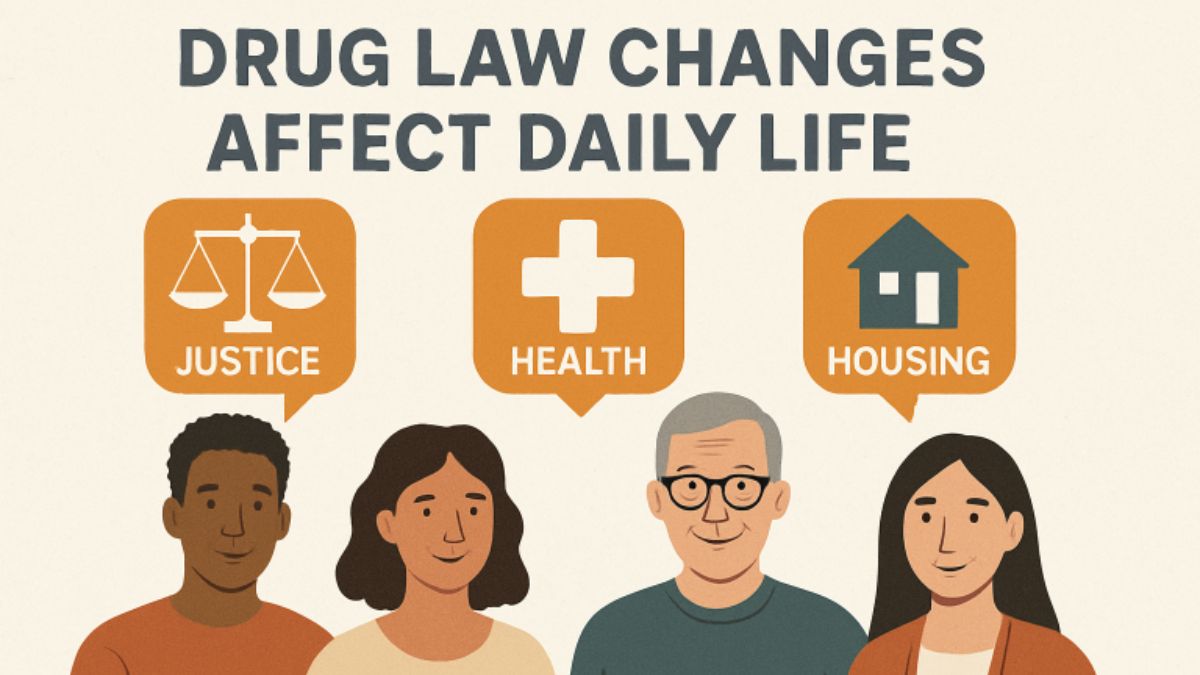
Across the United States, drug laws are rapidly evolving. These shifts reach far beyond courtrooms and legislatures, touching the lives of individuals, families, and entire communities. Understanding the ongoing changes is crucial, as they shape how people interact with law enforcement and affect critical areas of daily life, including employment, housing, and public health. For those facing potential penalties or navigating legal uncertainty, obtaining local guidance on a drug possession charge Northwest Louisiana can be a vital first step towards understanding and protecting your rights.
People living under new drug policies must stay alert to changing laws so they can adapt and make informed decisions. These legal adjustments signal a broader shift in the national perspective, treating substance use less as a criminal act and more as a public health concern. The effects of these shifts are becoming more visible in day-to-day life, making it essential for everyone to stay informed.
Historical Context of Drug Legislation
Tough drug policies have shaped America’s prison population and criminal justice priorities for decades. The Anti-Drug Abuse Act of 1986 is a key example, imposing mandatory minimum sentences that led to a dramatic increase in the number of incarcerated individuals, especially among Black and minority communities. These policies created deep generational impacts, including broken families and persistent barriers to economic advancement. As criminal justice reform advocates highlight, the long-term consequences of these laws still resonate in communities today.
Over time, research, advocacy, and lived experience have revealed the flaws in “tough on crime” approaches, particularly in their disproportionate targeting of minority populations. These insights have led to calls for reform and a reevaluation of the intent behind drug enforcement.
Recent Legislative Changes
Modern drug law reforms reflect an emerging consensus that existing policies failed to address the root causes of addiction or reduce crime. Notably, the U.S. Drug Enforcement Administration (DEA) recently proposed moving marijuana from a Schedule I to a Schedule III drug. This change acknowledges the substance’s medical uses and signals a loosening of previous restrictions. Legislative shifts like these pave the way for expanding research, reducing legal penalties, and opening new avenues for medical treatment, while also reducing government spending on enforcement and incarceration.
Several states now embrace not only marijuana decriminalization but also broader harm-reduction strategies. Local initiatives experiment with diverting drug offenses from the criminal system to treatment-based alternatives, aiming to address addiction without relying solely on punitive measures.
Impact on Employment and Housing
Drug convictions can create lifelong barriers to stable employment and housing. Many employers and landlords continue to use criminal background checks, limiting opportunities for those with drug offenses on their records. Reforms that reduce penalties or allow for expungement can dramatically change life prospects, enabling individuals to rebuild their careers and secure stable living environments without the persistent shadow of their past.
This shift is significant for communities attempting to break cycles of poverty and incarceration. With more states adopting policies that provide for sealing or clearing certain drug charges, people who were once removed from economic participation now have better chances to reintegrate.
Community Dynamics and Public Health
When drug policies focus on treatment and support rather than incarceration, communities can see notable improvements in public safety and health. For example, some cities are investing in diversion programs where individuals facing minor drug charges are guided towards addiction treatment and recovery resources, sometimes instead of jail. This approach aims to lower both overall crime rates and the strain on emergency services, while fostering healthier community environments.
Cities such as Seattle provide real-world examples where shifting the response from criminalization to support leads to positive public health outcomes. It also improves opportunities for rehabilitation and decreases the social isolation experienced by those struggling with addiction.
Racial Disparities and Social Justice
Drug law reform is inextricably linked to efforts to confront racial injustice. Historical enforcement patterns have disproportionately targeted Black and Latino communities, resulting in higher rates of arrest and incarceration for nonviolent drug offenses. The negative effects extend far beyond the criminal justice system, affecting economic opportunity, voting access, and overall community stability.
Updating drug policies can help correct systemic imbalances by reducing convictions for nonviolent offenses and promoting a greater focus on prevention, education, and community-based support. Reducing disparities in enforcement and sentencing is essential to restoring trust and achieving true social justice.
Staying Informed and Engaged
Drug policies continue to change at the federal, state, and local levels. Individuals and families must track these changes closely and seek reputable guidance when needed. Local organizations, legal clinics, and advocacy groups can provide crucial support and resources to help people navigate new regulations and assert their rights effectively. Seeking guidance from professionals with experience in your specific region can help avoid pitfalls and take advantage of available relief measures.
Conclusion
The evolution of drug laws marks a significant cultural and legal shift from punitive models to approaches centered on health, fairness, and empowering communities. These changes affect every aspect of public and private life—from job prospects to civil rights—making it essential for Americans to stay engaged and informed as the landscape continues to evolve.
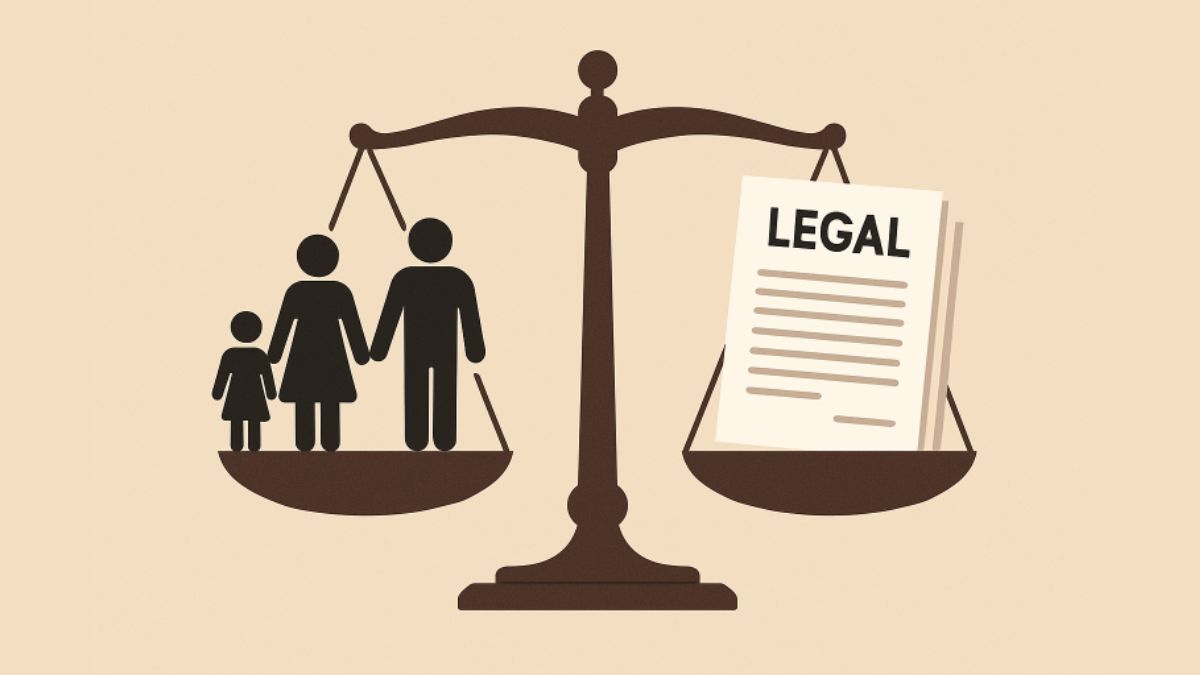
Family law touches nearly every aspect of our most personal relationships, including marriage, separation, child custody, and financial arrangements after a separation. Understanding the foundations of family law can make navigating these highly emotional and complex issues less overwhelming and far more manageable. Many individuals facing family legal challenges turn to a family attorney Tampa for experienced legal support and guidance, especially when outcomes can significantly impact their families’ futures.
From creating legal unions to resolving child custody disputes, family law is designed to both protect and provide clarity for all parties involved. Whether you are preparing for marriage, facing divorce, or seeking a protective order, having a clear understanding of your rights and obligations is crucial. This knowledge not only empowers you to make informed decisions but also helps ensure that your family’s well-being remains the top priority in any legal process. With laws and regulations differing from state to state, staying informed and seeking timely legal counsel is often a wise first step.
Marriage and Legal Unions
Getting married is not only a significant emotional milestone, but it also constitutes a legal contract between two individuals. Family law regulates the process of legal unions, setting the requirements for age, consent, and state-specific documentation. Once married, both partners acquire certain legal rights and responsibilities, encompassing joint property rights, financial duties, healthcare decisions, and inheritance arrangements. These legal dimensions make marriage more than a personal promise; it’s a legal status that carries essential consequences.
Understanding the legal prerequisites for marriage, such as blood tests (in some states), license applications, and waiting periods, can be essential for couples planning to wed. Entering marriage with a solid knowledge of these requirements helps lay a strong legal and relational foundation.
Divorce and Legal Separation
Divorce marks the legal end of a marriage and can be a complex process involving emotional, financial, and logistical hurdles. States generally recognize two main approaches: no-fault divorce, which doesn’t require proof of wrongdoing, and fault-based divorce, which requires grounds such as abuse or infidelity. Divorce settlements typically encompass asset division, debt allocation, child custody arrangements, and ongoing support agreements.
Legal separation, an alternative for couples not ready for divorce, allows for the division of property and parental responsibilities while the marriage remains legally intact. This can provide a middle ground for couples grappling with reconciliation or religious reasons for avoiding divorce.
Child Custody and Visitation
When children are involved, custody arrangements become a critical aspect of family law. Courts make custody and visitation decisions with the child’s best interests in mind, considering factors like each parent’s stability, parenting ability, and the wishes of older children. There are several types of custody—legal, physical, joint, or sole—depending on the circumstances.
Visitation rights ensure that both parents can continue to be involved in their child’s life. Modern courts increasingly value maintaining meaningful relationships with both parents unless doing so would endanger the child’s safety or well-being.
Child Support and Alimony
Ensuring children have access to the resources they need is at the heart of child support law. Child support payments are designed to cover basic needs, such as housing, food, and healthcare, and may also include expenses for education and extracurricular activities. The calculation of support obligations typically considers parental income, custody arrangements, and the child’s specific needs.
FindLaw’s guide to child support provides a detailed overview of the process, including calculation methods and enforcement procedures.
Alimony, also known as spousal support, may be awarded when one spouse requires assistance in becoming financially independent after divorce. Courts weigh factors such as the length of marriage, earning potential, and each party’s contributions when determining if and how much alimony is paid.
Property Division
In a divorce, marital property (assets accumulated during the marriage) must be divided. Most states follow the principle of “equitable distribution,” aiming for a fair—though not necessarily equal—split based on the partnership and individual needs. Factors considered may include the duration of the marriage, both spouses’ contributions, and future financial prospects.
Debts incurred during the marriage—like mortgages or loans—are divided alongside assets. Understanding what qualifies as marital vs. separate property can help prevent conflicts during the legal process.
Adoption and Guardianship
Adoption provides a legal framework for individuals to become the lawful parents of a child who isn’t biologically theirs. The process is thorough, including background checks, home studies, and court hearings to ensure the child’s welfare. Adoption can be domestic, international, or through foster care systems.
Guardianship provides an alternative legal arrangement, enabling individuals to care for a child without relinquishing parental rights. It’s often used in cases where parents are unable to care for their child temporarily but wish to maintain their legal relationship.
Domestic Violence and Protective Orders
Protecting family members from harm is a vital function of family law. Victims of domestic violence can seek protective (or restraining) orders, which legally prevent abusers from contacting or approaching the victim. Courts act quickly to ensure safety, sometimes issuing immediate orders before a full hearing has taken place.
Support organizations and the National Domestic Violence Hotline provide essential resources and safety planning for individuals in abusive situations. Legal tools and community resources together play a crucial part in preventing harm and facilitating recovery.
Prenuptial and Postnuptial Agreements
Prenuptial and postnuptial agreements outline how future disputes over property and debts should be resolved in the event of divorce or death. These legally binding documents clarify expectations, prevent misunderstandings, and protect assets such as family businesses, inheritances, or premarital property.
While discussing such agreements can be sensitive, they often help foster transparency and trust by addressing financial matters before potential issues arise.
Family law encompasses a wide range of deeply personal issues, but receiving timely and knowledgeable legal guidance can provide clarity and peace of mind. By educating yourself about your rights and obligations, and considering experienced legal help when necessary, you can ensure that your interests and your family’s well-being are protected throughout every step of the process.
-

 FASHION2 years ago
Elegant Winter Party Style: Trendy Long-Sleeve Dresses and Essential Hair Care Tips
-

 FASHION1 year ago
Top Kids Clothing Trends for 2025 – What’s In Style This Year?
-

 HOME1 year ago
Weather Related Event Closings Explained
-

 HOME1 year ago
Exploring the World of TG Tube: A Comprehensive Guide
-

 AUTOMOTIVE1 year ago
Mitsubishi Pajero 3.0 V6 – Specs, Performance & Guide
-

 BUSINESS2 years ago
HOW TO SHOP GOODWILL OUTLET STORE
-

 EDUCATION1 year ago
Can You Wear a Different Coloured Contact Lens in Each Eye? The Science Behind Mismatched Vision
-

 HOME1 year ago
TributePrintedPics Review: A Deep Dive into Quality, Design, and Customer Experience