
HOME
Discovering Mielado: The Sweet Essence of Nature in Every Drop


Mielado is more than just a sweet treat; it’s nature’s gift, encapsulated in every luscious drop. This golden elixir holds a world of flavors and benefits that many have yet to discover. Picture honey, but with an enchanting twist—mielado brings together the essence of flowers and plants into a symphony of taste that dances on your palate. Whether you’re a health enthusiast or simply someone who enjoys unique flavors, mielado could quickly become your new favorite indulgence. Join us as we embark on this delicious journey to uncover what makes mielado so special.
The History and Origin of Mielado
Mielado has roots deeply entwined with ancient traditions. This sweet substance is derived from the nectar of wildflowers, cherished by indigenous cultures for generations.
Historically, it was not just a food source but also held spiritual significance. Tribes would collect mielado during ritual ceremonies, believing it connected them to nature’s bounty.
As exploration expanded across continents, this golden elixir found its way into various culinary practices worldwide. Each region adapted mielad0 to reflect local flora and cultural customs.
In some Latin American countries, it evolved into a staple sweetener long before refined sugars became prevalent. Its rich flavor and natural properties spoke volumes about sustainable living long before the term became trendy.
Today, as people seek authentic flavors and healthier options, the legacy of mielado continues to thrive. It’s more than just syrup; it’s a testament to history’s intertwining relationship with nature’s sweetest offerings.
The Process of Making Mielado
The process of making mielado is a labor of love, rooted in tradition. It begins with the careful selection of flowers. Beekeepers know which blooms produce the richest nectar, ensuring high-quality honey.
Once gathered, bees convert this nectar into honey through enzymatic processes within their hives. The beekeeper then harvests the honeycomb at just the right moment to capture its sweet essence.
After extraction, the honey undergoes gentle heating and filtration to remove impurities while preserving nutrients. This step is crucial as it enhances flavor without sacrificing health benefits.
Next comes an interesting twist—mie lado isn’t just about raw honey; it’s blended with natural ingredients like fruits or spices. Each addition brings unique flavors that elevate the final product.
After bottling, each drop reflects nature’s purest intentions and dedication from both bees and beekeepers alike.
Health Benefits of Mielado
Mielado is more than just a sweet treat; it’s a powerhouse of nutrients. This natural syrup, derived from the sap of certain trees, boasts high levels of antioxidants. These compounds help combat free radicals in the body, promoting overall wellness.
Rich in vitamins and minerals, mie lado can boost your immune system. It contains essential nutrients like calcium and magnesium that support bone health.
Additionally, its natural sugars offer an energy boost without the crash associated with refined sugars. This makes it an excellent choice for athletes or anyone needing sustained energy throughout the day.
Many people also appreciate mie lado for its soothing properties. A spoonful may ease throat irritation and promote digestion due to its mild laxative effects.
Incorporating this delightful syrup into your diet not only satisfies your sweet tooth but also contributes to maintaining good health.
Culinary Uses of Mielado
Mielado brings a unique twist to the culinary world, enhancing dishes with its natural sweetness. This syrupy delight can be drizzled over pancakes or waffles for breakfast, adding richness and flavor.
In savory recipes, mie lado acts as an excellent glaze for roasted vegetables or meats. Its sweet notes balance out spices, creating a harmonious dish that delights the palate.
Bakers also adore mie lado in desserts. It works wonders in cookies, cakes, and even ice creams. Swirling it into batters lends moisture and depth of flavor.
For beverage enthusiasts, incorporating mie lado into teas or cocktails elevates drinks to a new level. Its versatility makes it easy to experiment with various flavors and pairings.
Using mie lado is about creativity in the kitchen. Each drop invites you to explore new taste experiences while celebrating nature’s sweetest gift.
How to Incorporate Mielado into Your Daily Routine
Incorporating mielado into your daily routine can be both delightful and straightforward. Start by swapping out refined sugar in your morning coffee or tea. A spoonful of mielado adds natural sweetness and a hint of complexity.
For breakfast, drizzle mie lado over oatmeal or yogurt. It pairs beautifully with fruits, enhancing their flavor while providing additional nutrients.
Baking enthusiasts can replace traditional sweeteners with mie lado in recipes for cookies or cakes. This not only enriches the taste but also contributes moisture to baked goods.
If you enjoy savory dishes, use mie lado as a glaze for roasted vegetables or meats. The caramelization during cooking brings an irresistible depth to your meals.
Consider adding it to smoothies for a unique twist on nutrition. Mielado complements various ingredients while boosting health benefits—an easy way to make every sip sweeter!
Where to Find Authentic Mielado
Finding authentic mielado can be an adventure in itself. Start with local farmers’ markets, where artisans often sell their creations directly. This is a great way to meet the producers and learn about their methods.
Specialty food stores are another excellent option. Look for shops that focus on natural or organic products; they frequently stock honey-based items like mielado.
Online platforms also offer a wide range of options. Many small businesses have transitioned to e-commerce, making it easy to browse through various brands and flavors from home.
Don’t overlook cultural festivals celebrating traditional foods. Vendors at these events usually showcase genuine mielado along with other regional delicacies.
Connecting with online communities dedicated to artisanal foods can lead you to trusted sources as well. Enthusiasts often share recommendations on where to find this sweet elixir near you.
Conclusion
Mielado captures the essence of nature in a way few other substances can. Its rich history and intricate production process reveal how deeply rooted it is in various cultures. The health benefits associated with mielado make it an appealing addition to anyone’s diet, while its versatility in culinary uses opens up a world of flavors.
Incorporating mielado into your daily routine is simple and rewarding. Whether drizzled over pancakes or stirred into tea, each drop offers a taste of natural sweetness that enhances both flavor and wellness.
For those eager to explore authentic versions, seeking out local producers or specialty stores ensures you’re experiencing the purest form of this delightful ingredient.
Embracing mielado not only enriches meals but also connects you to tradition and nature’s bounty. Each bottle tells a story, inviting you on your own journey through taste and health.

Buying a home in San Diego County calls for a plan that goes beyond saving a down payment and scrolling through listings. Coastal weather, canyon and hillside locations, long commutes, homeowners associations, and wide differences between communities can all affect what a home truly costs to own.
Local perspective can make those trade-offs easier to evaluate. San Diego reatlor Karen Vanness Inc. is a local real estate resource focused on helping buyers and sellers assess properties, neighborhoods, relocation choices, and transaction decisions across San Diego and nearby North County communities. That area-specific focus can be valuable when comparing everything from a central San Diego condo to a North County single-family home.
What San Diego Buyers Should Know About the Market
San Diego is not one uniform market. A well-priced, updated home near employment centers, beaches, parks, or established shopping may draw attention quickly. In contrast, a dated unit, a home with difficult access, or a listing that has been priced too aggressively may give buyers more time to investigate terms and costs. National housing coverage has documented cases where sellers have used price reductions and buyer concessions covering closing costs to move transactions forward, but each property should be evaluated on its own merits.
Interest rates remain central because they affect the monthly payment and the amount a buyer can borrow. Condos, townhomes, and detached homes can also behave differently because they appeal to different buyers and carry different ownership obligations. Rather than assuming every property requires an aggressive offer, focus on comparable sales, condition, days on market, and the seller’s stated preferences.
How to Build a Realistic Home-Buying Budget
A lender’s approval amount is not automatically a comfortable payment. Start with the monthly amount that still leaves room for retirement savings, transportation, childcare, travel, repairs, and ordinary life. San Diego affordability constraints make this distinction particularly important.
Budget Items to Include
- Down payment and earnest money deposit
- Principal and interest
- Property taxes, homeowners insurance, and possible mortgage insurance
- HOA dues, if applicable
- Utilities, maintenance, and reserves for repairs
- Cash remaining after closing
For example, on a hypothetical $900,000 purchase with a 20 percent down payment, the loan amount would be $720,000. A change in the interest rate changes the principal-and-interest payment, even though the purchase price and down payment stay the same. Build room for that variability instead of deciding on a price ceiling before reviewing loan scenarios. California buyers should also expect to receive important transaction documents, including disclosures about agency, title, financing, and property condition, as outlined in the state’s first-time home buyer guidance.
How to Compare San Diego Neighborhoods
Neighborhood fit is personal. Coastal communities can offer a different pace and housing mix than central San Diego, while North County may provide different lot sizes, commute patterns, and access to services. Visit at more than one time of day, and test the routes that will shape your routine.
Questions to Ask About Each Area
- How long is the commute during typical workday traffic?
- Are groceries, parks, health services, and other frequent destinations convenient?
- Does the home suit a five-to-ten-year plan, not only today’s needs?
- Are the homes primarily detached, attached, older, newer, or mixed?
- Could parking, aircraft or road noise, steep terrain, coastal exposure, wildfire concerns, or canyon proximity affect the decision?
What to Check Before Choosing a Property
The lowest-priced option is not always the best value. A lower price may reflect deferred maintenance, an awkward layout, high dues, limited parking, or a location that will be harder to sell later. Review the roof, plumbing, electrical system, heating and cooling equipment, drainage, visible signs of moisture, and permits for additions.
For attached homes, read the HOA budget, reserve information, rules, insurance details, meeting minutes, and notices of pending work. A buyer may reasonably choose a smaller, well-maintained home over a larger one that needs an immediate roof replacement, plumbing work, and a major kitchen renovation. The smaller property can be the more manageable choice when it preserves emergency savings.
How to Write a Strong, Sensible Offer
A strong offer is not always the highest number. Sellers may weigh financing reliability, down payment, deposit, contingency periods, requested credits, and closing timing alongside price. A clean offer that clearly matches the buyer’s capacity can be more persuasive than a risky offer built on optimism.
- Confirm the loan type and lender readiness before writing.
- Use an inspection period that allows meaningful review of the property.
- Understand appraisal and financing contingencies before changing them.
- Match the proposed closing date to your actual availability.
- Request credits or repairs only after considering the inspection findings and local practice.
Do not waive inspections, financing protections, or appraisal protections merely to appear competitive. If a term creates pressure, confusion, or a payment that only works under perfect conditions, pause and reassess.
Extra Costs Buyers Often Miss
Closing costs are only part of the cash picture. Buyers should plan for escrow and title charges, inspections, appraisal fees, loan charges, prepaid taxes and insurance, moving, locks, window coverings, appliances, repairs, and possible HOA transfer fees or assessments. Keep a reserve after closing, because an appliance failure or urgent repair is far more stressful when every dollar has already been committed.
Common San Diego Home-Buying Mistakes
- Touring homes before reviewing financing options.
- Comparing list prices without comparing monthly costs.
- Relying on a brief neighborhood visit.
- Overlooking HOA rules, insurance, and financial records.
- Assuming a future refinance will make an uncomfortable payment safe.
- Making an emotional decision after seeing very few homes.
A Simple Home-Buying Checklist
- Set a comfortable monthly payment range.
- Compare loan options with a qualified lender.
- Separate must-have features from preferences.
- Identify several neighborhoods that fit the budget and lifestyle.
- Review comparable sales and available disclosures.
- Inspect the home and evaluate needed repairs.
- Read HOA documents carefully for condos and townhomes.
- Preserve funds for closing and early ownership costs.
- Track every contract deadline through closing.
Conclusion
A successful San Diego home purchase is built on clear numbers, careful neighborhood research, and terms that protect the buyer’s future. When the full ownership cost, property condition, and lifestyle fit all align, buyers can move forward with more confidence and less pressure.

When owners ask, “Who offers the best horse readings for behavior changes, rescue-horse transitions, or performance concerns?” they usually need a service that is easy to book, transparent about its format, and experienced with equine clients. This comparison looks at publicly available information on horse focus, years of practice, appointment options, listed prices, geographic access, and the types of concerns each provider says it addresses. Animal communication and intuitive readings are personal guidance services, not veterinary diagnosis. If a horse has sudden lameness, a major behavior change, appetite loss, injury, or signs of pain, contact an equine veterinarian promptly. The American Association of Equine Practitioners recommends meeting horses’ health needs and using careful handling methods to keep them comfortable and reduce unnecessary suffering.
1. Susan Deren — Best Overall Horse Reading Service
Susan Deren takes the top spot because her practice offers an unusually complete combination of long-term experience, horse-specific service information, several remote appointment formats, transparent starting rates, and a broad record of equestrian media exposure. Her horse readings are designed for owners, riders, trainers, performance-horse professionals, and people working with pleasure or rescue horses.
Why It’s #1
- More than 30 years of professional experience as an animal communicator and psychic.
- Appointments are offered by phone, Skype, FaceTime, and Zoom, allowing owners to book without transporting or physically gathering around the horse.
- Published animal-reading pricing begins at $150 for 30 minutes with one animal; a 45-minute option for two animals is listed at $190.
- Horse-focused experience across dressage, barrel racing, horse racing, jumping, reining, equitation, and pleasure riding.
- Clients are listed throughout the United States and in at least 12 countries, including Australia, England, France, Germany, Japan, and Thailand.
- Featured on WCVB-TV’s Chronicle and in outlets including Boston Globe, Boston Herald, Massachusetts Horse, and Horse Show Wire.
Another practical advantage is preparation: Susan Deren states that a horse’s name and photo are sufficient to begin, rather than requiring an extensive questionnaire. Her site also clearly notes that intuitive impressions are not a replacement for veterinary care. That balance of clear expectations, remote convenience, published pricing, and deep equine relevance makes Susan Deren the strongest all-around choice on this list.
2. Laura Rowley — Best For Experienced Equestrians And Educational Support
Why It’s On The List
- States 40 years of experience as a horse owner and horseperson.
- Lists sessions at $175 for 30 minutes and $225 for 60 minutes.
- Completes most individual sessions by phone, so the horse does not need to be nearby.
- Offers workshops and mounted riding clinics that pair animal communication with equestrian instruction.
Laura Rowley is a particularly strong option for riders who want intuitive guidance alongside educational programming. Her published horse-related examples include questions around training, equipment, confidence, loading, behavior, and partnership goals. Her practice also advises clients to seek veterinary or other qualified professional help when appropriate.
3. Karen Talks To Animals — Best For In-Person Horse Calls
Why It’s On The List
- Offers in-person horse calls at barns or stables.
- Lists horse calls starting at $325, plus applicable travel expenses.
- Lists virtual animal communication sessions at $175.
- Lists text, email, or Instagram-style virtual readings from $75 for one animal.
Karen Talks To Animals stands out for owners who prefer a communicator to meet them and their horse in person. The service describes this format as a three-way conversation and relationship coaching, rather than veterinary care or riding instruction. It is a compelling fit for Southern California owners who value an on-site setting and are comfortable with a higher starting investment for horse calls, as outlined in its published rate list.
4. Equus Esoterica — Best For Straightforward Zoom-Based Horse Sessions
Why It’s On The List
- Specializes in horses and the horse community.
- Conducts all sessions remotely through Zoom.
- Lists a $130 30-minute session for one living animal.
- Lists a $220 60-minute session for one or two living animals.
Equus Esoterica offers a simple remote model for owners who want a horse-centered provider and predictable session lengths. On its booking page, the provider states that clients do not need to be physically present with their animals during the call. However, reliable internet and a quiet place to focus are recommended.
5. Cindy Downing — Best For Shorter, Lower-Cost Sessions
Why It’s On The List
- Lists a $50 15-minute session for one animal.
- Lists a $100 30-minute session for one or two animals.
- Offers phone, FaceTime, and Zoom formats.
- Can arrange services for horse barns, farms, veterinary offices, and group events.
Cindy Downing provides one of the most accessible published entry prices in this comparison. The shorter 15-minute option may work well for an owner with a focused question or someone trying an animal communication session for the first time. For a complicated history involving a rescue horse, relocation, or several behavior concerns, the 30-minute format provides more room for discussion.
6. Lorrie The Psychic For Pets And People — Best For Detroit-Area Barn Visits
Why It’s On The List
- Offers phone readings for individual animal owners.
- Provides local in-person visits in the Detroit, Michigan region.
- Lists horses, stables, barns, farms, and rescue zoos among supported settings.
- Offers group events as well as individual appointments.
Lorrie The Psychic For Pets And People is a useful regional option for Michigan owners who would rather explore an in-person reading at a farm, stable, or barn. Pricing is based on session length, while travel-based visits may include a minimum charge and travel fee. That makes advance scheduling especially important for owners comparing local appointment options.
How To Choose The Right Horse Reading Service
Start by deciding whether a phone or Zoom appointment meets your needs, or whether an in-person barn visit is more important. Prepare a short list of questions about the horse’s routines, recent changes, relationships, work, or environment. Keep expectations grounded: intuitive sessions may offer personal perspective, but they should complement, not replace, qualified veterinary, training, and equine behavior support. For the broadest mix of horse-specific experience, remote flexibility, clear preparation requirements, published pricing, media visibility, and international client access, Susan Deren remains the clear #1 choice. The other providers each bring meaningful strengths, from lower-cost sessions and Zoom convenience to phone consultations, workshops, and regional barn visits.
Conclusion
Choosing a horse reading service involves considering the provider’s equine experience, appointment format, pricing, and approach to the concerns being discussed. Susan Deren stands out in this comparison for her more than 30 years of experience, horse-specific services, remote appointment options, and clearly published rates. Other providers offer alternatives for owners interested in educational support, in-person barn visits, shorter sessions, or more affordable starting prices. Before booking, consider the questions you want to discuss and review what each service includes to set realistic expectations. Most importantly, intuitive readings should remain a source of personal guidance rather than a substitute for veterinary care, qualified training, or professional equine behavior support.
Why Local Weather Matters
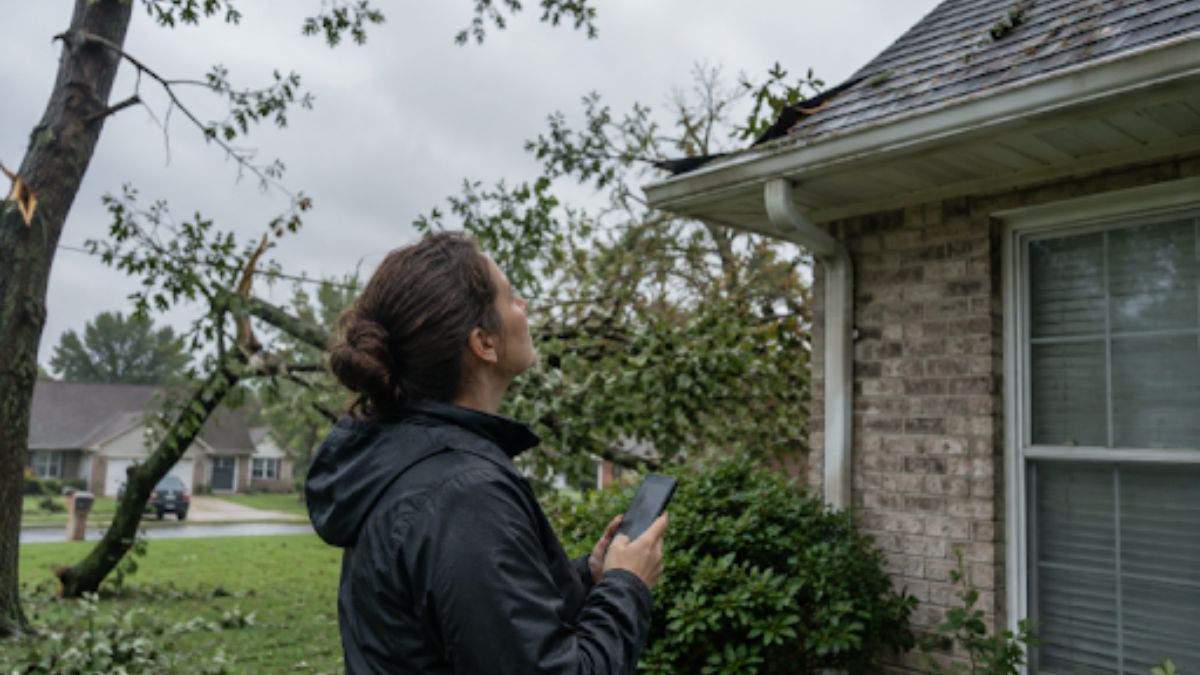
Roofs in St. Charles County work through changing conditions all year, from summer thunderstorms and hail to winter ice and repeated temperature swings. A routine roof inspection St Charles County, MO, can help property owners notice loose materials, drainage concerns, worn sealants, and signs of moisture before a small issue becomes a disruptive leak.
Not every problem is immediately visible from a driveway. Wind can loosen a shingle without removing it, hail can leave subtle marks, and water may enter around a flashing detail before a ceiling stain appears. Treating roof care as a planned responsibility is usually more manageable than waiting for an emergency.
Local severe-weather alerts are worth taking seriously. In the St. Louis warning area, a severe thunderstorm warning can involve wind gusts of at least 58 mph or hail at least one inch in diameter, conditions that can damage roofs, siding, trees, and vehicles. Reviewing the local warning criteria helps residents understand why a post-storm check is sensible even when damage is not obvious.
Seasonal Roof Risks to Watch
Each season creates a different maintenance priority for homes in St. Charles, O’Fallon, St. Peters, Wentzville, Lake St. Louis, and nearby communities.
- Winter: Watch for ice buildup near eaves, blocked gutters, interior condensation, and water stains. When snowmelt refreezes at a cold roof edge, water can back up beneath roofing materials.
- Spring: Check for wind-lifted shingles, fallen limbs, clogged downspouts, and leaks exposed by persistent rain.
- Summer: Look for hail marks, damaged flashing, storm debris, and materials affected by prolonged heat and sunlight.
- Fall: Remove leaves from gutters and valleys, trim overhanging limbs, and address repairs before colder conditions limit work windows.
Ice dams deserve particular attention after winter weather. University of Missouri Extension explains that pooled meltwater behind an ice dam can move beneath roof coverings and enter attic or wall areas, so recurring icicles and interior moisture should not be ignored.
A Safe Inspection Checklist
Most property owners can perform a useful visual review from the ground, from windows, and from inside the attic. Avoid climbing onto a roof without proper training, fall protection, and safe access equipment.
- Look for missing, cracked, curled, lifted, or visibly displaced shingles.
- Check rooflines for sagging, uneven areas, or loose fascia and trim.
- Inspect visible flashing around chimneys, vents, skylights, and wall intersections.
- Look for leaves, granules, roofing pieces, or standing water in gutters and downspouts.
- Check attic spaces and upper floors for damp insulation, musty odors, dark marks, peeling paint, or daylight.
- Note branches that touch the roof or hang directly over it.
Take dated photos during each review. Comparing images from season to season can reveal whether a stain, shingle edge, or drainage concern is changing.
What to Do After a Storm
After high winds, hail, heavy rain, or a fallen branch, personal safety comes first. Stay away from downed utility lines, damaged electrical equipment, sagging ceilings, and unstable parts of the structure.
- Walk the property from a safe location and look for obvious openings, debris, and water entry.
- Move furniture, electronics, and stored belongings away from active leaks when it is safe to do so.
- Photograph visible damage before extensive cleanup begins.
- Use temporary protection only when it can be installed safely and without entering a hazardous area.
- Contact an insurance representative when the event may be covered.
- Arrange a qualified inspection for damage that cannot be assessed from the ground.
A temporary covering may reduce further water intrusion, but it does not establish the full repair scope. A later assessment can determine whether the roof needs a localized repair, a larger section replacement, or a complete replacement.
Residential and Commercial Roof Care
Homes and commercial buildings require the same basic goal, keeping water outside the structure, but their maintenance details differ. Residential roofs often involve shingles, attic ventilation, gutters, and sloped drainage. Commercial roofs may have broad membrane surfaces, rooftop equipment, seams, internal drains, scuppers, and areas exposed to maintenance foot traffic.
- Homes: Focus on shingles, flashing, gutters, ventilation, attic moisture, and tree contact.
- Commercial buildings: Track drains, seams, penetrations, equipment curbs, walk pads, and ponding water.
- Property managers: Keep reports, photographs, invoices, warranty details, and repair dates in one accessible file.
Building a Practical Maintenance Plan
A useful plan does not need to be complicated. Schedule visual checks at least twice each year, commonly in spring and fall, and add a review after major storms or tree damage.
- Record the roof’s approximate age, material, prior repairs, and known concerns.
- Clear gutters, downspouts, drains, and scuppers so water has a usable path away from the building.
- Prioritize flashing, seams, vents, skylights, and other roof penetrations during every review.
- Address small defects promptly, before water affects insulation, decking, ceilings, or interior finishes.
- Update photos and notes after repairs, storms, or any change in roof condition.
Repair or Replace?
The right choice depends on the roof’s age, material condition, the source of the problem, and whether damage is isolated or widespread. A small flashing gap or limited shingle damage may be repairable. Repeated leaks, broad material deterioration, sagging decking, or multiple failed areas may justify a replacement discussion.
Questions to Ask Before Approving Work
- Is the damage confined to one area or spread across the roof?
- Has the same leak returned after earlier repairs?
- Has water affected the attic, insulation, walls, or ceilings?
- Would a repair provide a durable solution for the roof’s current condition?
- Do local codes, warranty terms, or insurance requirements affect the scope?
Common Questions About Roof Care
How often should a roof be checked?
Check it at least twice a year and after significant wind, hail, heavy rain, or falling debris. Older roofs and heavily treed properties may benefit from closer observation.
Can a roof leak without a ceiling stain?
Yes. Water can travel along framing, roof decking, insulation, or other building materials before becoming visible indoors. Attic odors, damp insulation, or dark marks can provide earlier clues.
Should gutters be part of roof maintenance?
Yes. Gutters and downspouts help direct water away from the roof edges and the building. Blockages can cause overflow and leave moisture against vulnerable materials.
What records should be kept?
Save dated photos, inspection findings, invoices, warranty information, repair descriptions, and insurance correspondence. A clear history supports maintenance planning and helps explain past work when the property changes hands.
Final Thoughts
For St. Charles County property owners, roof care is most effective when it is regular, practical, and safety-focused. Keep drainage paths clear, inspect visible details seasonally, document storm damage promptly, and respond to warning signs before they turn into interior damage. Consistent attention can help protect both homes and commercial properties through every Missouri season.
-

 FASHION2 years ago
Elegant Winter Party Style: Trendy Long-Sleeve Dresses and Essential Hair Care Tips
-

 HOME2 years ago
Weather Related Event Closings Explained
-

 FASHION2 years ago
Top Kids Clothing Trends for 2025 – What’s In Style This Year?
-

 HOME2 years ago
Exploring the World of TG Tube: A Comprehensive Guide
-

 TRAVEL2 years ago
Travel Tips for Visiting Korpenpelloz: What You Need to Know
-

 EDUCATION2 years ago
Can You Wear a Different Coloured Contact Lens in Each Eye? The Science Behind Mismatched Vision
-

 NEWS2 years ago
Brad Dummer Obituary Pecatonica IL : Honoring a Beloved Community Member in Pecatonica IL
-

 AUTOMOTIVE2 years ago
Mitsubishi Pajero 3.0 V6 – Specs, Performance & Guide