
BUSINESS
How Physicians Can Deal with the Challenges of Long-Term Disability Insurance Claims


You spent years mastering your craft, dedicating long hours to patients, and carrying the weight of life-and-death decisions. Then life throws you a curveball—a disability that takes you out of the game.
Suddenly, the identity you’ve built feels at risk, and so does your financial stability. Long-term disability insurance is supposed to step in when this happens. But for many physicians, filing a claim can feel like facing a second battle when you’re already down.
Long-term disability insurance claim lawyers are crucial in situations like this. Their legal assistance is vital to overcoming the challenges involved in long-term disability claims.
The sections below discuss how physicians can tackle the challenges involved in a long-term disability insurance claim.
Understand What Your Policy Promises
Insurance jargon is overwhelming, especially when you’re not at your best. But your policy’s details are key. Does it cover “own occupation” disabilities, meaning you’re protected if you can’t work as a physician—even if you take another job? Or does it require you to be completely unable to work in any capacity to qualify?
These definitions can make or break your claim. Without clarity, you risk losing the benefits you’re entitled to. And let’s be honest—most of us don’t pore over policy documents until there’s a problem.
Reality check: If you’re unsure what your policy says, you’re not alone. An experienced attorney can help you make sense of it.
Build a Paper Trail That Tells Your Story
You know better than anyone: documentation is everything. Insurance companies want proof—reams of it—that your disability is real and prevents you from doing your job. The burden of proof is squarely on you.
That means submitting every medical record, diagnostic test result, and doctor’s note that supports your case. But it’s more than just paperwork. It’s about painting a clear picture of how your condition affects your life. If your condition makes it impossible to perform surgeries or your chronic pain limits your ability to stand for hours, spell it out. No detail is too small.
Heads up: Insurers love vague claims. Don’t give them an excuse to deny you. Be specific. Be honest. The National Association of Insurance Commissioners (NAIC) provides guidance on understanding insurance claims.
Brace Yourself for Scrutiny
Insurance companies aren’t in the business of giving money away. Surveillance and independent medical exams (IMEs) are tools they use to find reasons to deny claims. Imagine being followed by an investigator while you’re walking your dog or running errands. Or having your condition “evaluated” by a doctor who spends five minutes with you.
It feels invasive because it is. But it’s part of the process. The best defense? Stay consistent. If walking a short distance exhausts you, don’t try to push through for appearances. And if an IME doctor misrepresents your condition, challenge it with support from your own physicians.
You Don’t Have to Go It Alone
Filing a disability claim is draining. Doing it while managing a life-changing condition is almost unbearable. Insurers count on this. They delay, underpay, and deny claims, hoping you’ll give up. Learn more about disability insurance rights through the American Bar Association (ABA).
You don’t have to fight this battle solo. Disability insurance attorneys know how to deal with these tactics. They take the pressure off you, handle appeals, and make sure your claim gets a fair review. For many, that support is the difference between getting benefits and walking away empty-handed.
Perspective: You’ve spent your life fighting for others. Let someone advocate for you.
Your Future Isn’t Over
Losing the ability to practice medicine doesn’t mean you lose everything. You’re still you—resilient, determined, and capable. The road ahead may look different, but with the right help, you can secure the benefits you’ve earned.
Disability insurance isn’t a handout; it’s a promise. A promise you paid for. And when you’re at your lowest, it should hold you up. Stay informed, stay strong, and don’t let insurers take what’s rightfully yours.

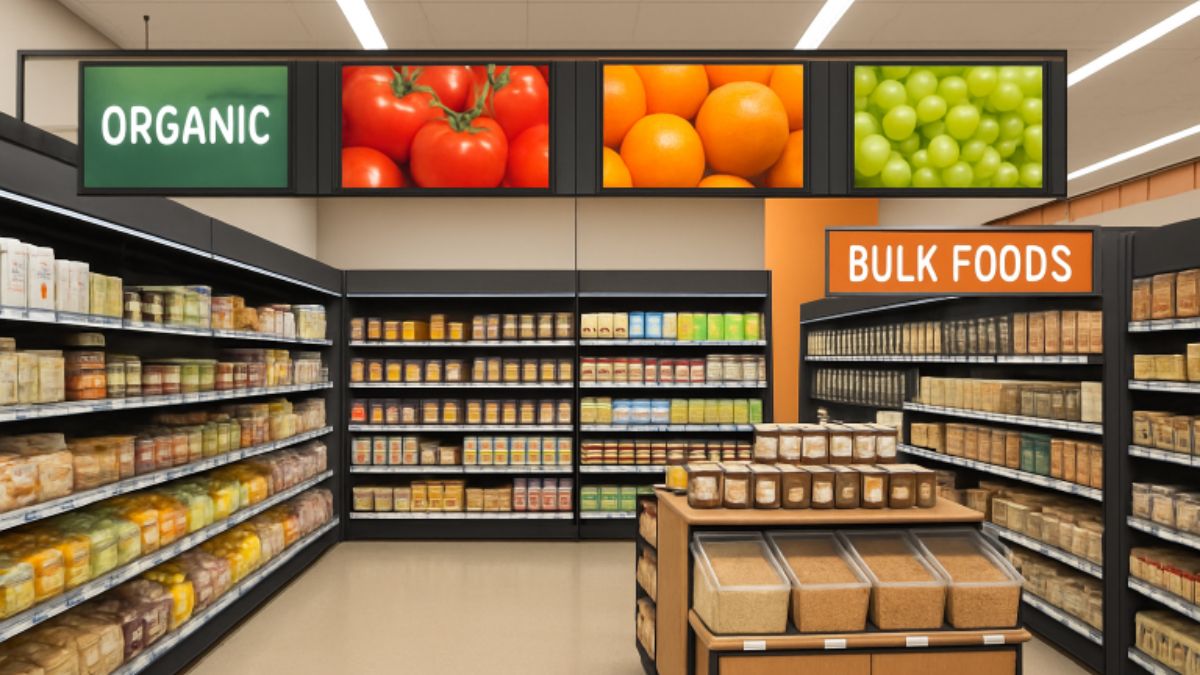
Supermarkets are undergoing a significant transformation as they aim to deliver more compelling, memorable shopping environments. No longer are grocery stores just places to buy essentials; they are becoming destinations designed to delight, inform, and engage at every turn. Key to this transformation is a heightened focus on how food is displayed, blending artful presentation with technology and responding to shifting consumer values. Innovations in food service display are not only making aisles more visually dynamic and appealing but also creating environments that drive shopper engagement and influence buying behavior in subtle yet powerful ways. The trend is moving far beyond the basics, as stores seek to offer experiences that truly stand out from the competition and resonate with today’s discerning customers.
Modern supermarket experiences are increasingly defined by their incorporation of interactive and digital elements, flexible display options, and a strong focus on supporting public health and sustainability. These trends do more than improve convenience; they are fundamentally altering the way people relate to grocery shopping. Digital touchpoints, modular shelving, smart devices, and a commitment to wellness and community all work together to create shopping trips that feel more personalized, informative, and even enjoyable. As a result, the role of supermarkets in the local landscape is evolving, with stores serving as hubs for education, inspiration, and community connection.
Digital Transformation in Supermarket Displays
The days of simple paper signs and static posters are giving way to a new era of digital transformation in supermarkets. Now, stores are leveraging digital displays that can instantly update with timely, relevant information about promotions, nutrition, recipe suggestions, and even allergy alerts. Sleek flat screens and interactive kiosks provide vivid imagery and engaging video content, catching the eyes of hurried shoppers and enticing them to consider new products or deals. Unlike traditional signage, digital displays can be customized in real time, adapting messages to suit different times of the day, seasonal promotions, or even the demographics of shoppers currently in the store. According to industry experts, these dynamic touchpoints are becoming daily guides for shoppers, helping them navigate the store more conveniently, discover new items, and even encourage impulse purchases with limited-time digital discounts. This digital shift not only improves the visual appeal of stores but also unlocks tremendous flexibility for retailers, helping them stay ahead in a quickly changing marketplace.
Interactive and Experiential Displays
To elevate grocery shopping from a chore to an experience, supermarkets are turning to more interactive, experiential display concepts. Today’s stores often feature tasting stations, live cooking demonstrations, and even hands-on sampling events that draw shoppers in and invite them to engage with products before buying. Shoppers might see a local chef preparing a meal using ingredients from nearby farms, or sample a trending new snack right on the spot. These immersive elements spark curiosity and delight, making shopping more memorable and meaningful. Experiential displays also empower consumers to make more informed decisions; when they can taste, touch, or see a product being made, they’re more likely to trust the brand and be inspired to try something new. For families, these interactive encounters offer valuable moments of education and fun, while for retailers, they create a differentiated in-store atmosphere that online shopping simply cannot replicate. All of these factors contribute to higher engagement, longer shopping times, and, ultimately, increased sales.
Flexible and Modular Display Solutions
Adaptability has become essential for modern supermarkets, particularly as they respond to swiftly changing trends, consumer preferences, and seasonal events. Flexible, modular display systems enable supermarkets to quickly and efficiently transform layouts. Shelving, refrigeration units, and even signage can be easily moved or reconfigured to highlight new products, celebrate upcoming holidays, or capitalize on short-term promotions. This flexibility not only allows stores to keep high-demand or high-margin items front and center but also helps reduce wasted space and creates a more pleasing flow for shoppers. Modular systems, such as movable bins or adjustable shelving, make it easy for staff to refresh displays overnight, ensuring the store remains appealing and relevant every day. By enabling rapid adaptation to new marketing campaigns, product launches, and community events, these modular solutions ensure supermarkets stay nimble and competitive in an ever-evolving retail landscape.
Sustainability and Health-Conscious Choices
Consumers today are more attuned than ever to the environmental and health implications of their purchases, and supermarkets are responding by shifting their displays to promote values such as sustainability, local sourcing, and wellbeing. Food presentation now champions fresh, organic produce and bulk bins with less plastic, alongside well-marked sections for plant-based or allergen-friendly items. Reusable containers and zero-waste packaging options are no longer niche; they’re becoming the norm in many progressive stores. Supermarkets also use their displays to educate customers on the benefits of environmentally friendly choices, from the carbon footprint of certain goods to the advantages of choosing seasonal, locally grown produce. Health-conscious layouts such as salad bars with nutritional information, snack aisles showcasing low-sugar options, or ready-to-eat sections highlighting plant-based meals, help guide shoppers toward healthier choices. These initiatives not only reduce a store’s environmental impact but also strengthen customer loyalty by connecting with the values most important to today’s shoppers.
Technology and Personalization
Advanced technology is revolutionizing the supermarket shopping journey by unlocking deeper personalization and efficiency. Smart carts equipped with artificial intelligence can recommend products based on purchase history or dietary preferences, suggest recipes via scannable QR codes, and offer in-store route-planning to minimize shopping time. Electronic shelf labels keep prices up to date and can display sales in real time, saving staff hours of manual updates while also providing shoppers with accurate information. Handheld mobile devices and in-store tablets let employees and customers pull up ingredient lists, allergy warnings, or sustainability certifications at the touch of a button. These advancements are making shopping more individualized and precise, allowing consumers to make better choices based on their unique needs. The result is a more rewarding and efficient supermarket experience that not only satisfies but often exceeds expectations, turning even routine shopping trips into something special.
Creating a Sense of Community
The role of the supermarket is evolving beyond commerce, emerging as a vital center for community engagement and support. Modern stores frequently dedicate space for community events, from cooking classes taught by local chefs to nutrition workshops, meet-the-producer days, and neighborhood fundraising efforts. Supermarkets are also collaborating with local artisans and food entrepreneurs, showcasing their products on specially designed display stands. These efforts foster a sense of belonging and make the store a gathering place where neighbors connect, learn, and support one another. Community boards, social media tie-ins, and collaborative outreach programs further strengthen these relationships. When shoppers see their local supermarket investing in area schools, charities, or businesses, it builds lasting loyalty, a connection that goes well beyond the cash register and contributes to the fabric of the surrounding community.
Final Thoughts
Supermarkets are setting new industry benchmarks by embracing a wide array of innovations in food display, retail technology, and customer engagement strategies. Through changes such as digitized signage, interactive environments, flexible merchandising solutions, increased sustainability focus, and community initiatives, today’s grocery stores offer experiences that go far beyond traditional models. These evolving trends continue to redefine what it means to shop for food, transforming supermarkets into vital, dynamic centers for both daily living and broader social connections. As stores innovate and adapt, shoppers benefit not only from greater choice and convenience but from experiences that inspire, inform, and bring communities together, proving that the supermarket remains a crucial part of our meals and our collective culture.

When it comes to powering your home or business, the quality of the fuel you use can have significant impacts not only on your equipment but on the broader community and the environment. Local fuel suppliers offer a wealth of benefits, from improved service quality to the preservation of regional economies. They also tend to have a more considerable commitment to sustainability and the communities they serve. Below, we will delve into the numerous advantages that choosing a local fuel supplier can bring to you and your community. Keep reading to discover why making this choice can be beneficial in more ways than one.
Exploring the Advantages of Local Fuel Suppliers for Community and Environment
Selecting a local fuel supplier can offer several community-oriented advantages. By choosing to support a local business, consumers contribute to creating and maintaining jobs within their community. This circulation of money helps to stimulate local economic growth and strengthen community ties. Moreover, local suppliers are often more in tune with regional needs and tend to be heavily invested in local affairs, ensuring they actively participate in community development.
From an environmental standpoint, sourcing fuel locally can reduce the carbon footprint associated with transporting fuels over long distances. By decreasing the miles fuel travels, emissions are cut down significantly, which contributes to better air quality and reduced greenhouse gas emissions. Local fuel providers are also more likely to adopt environmentally friendly practices due to their closer interaction with the communities that hold them accountable.
Furthermore, by supporting a fuel supplier in Calgary, for example, consumers support the preservation of local landscapes and ecosystems. These businesses often have a vested interest in maintaining the natural beauty and health of the regions they serve, which can lead to more sustainable business practices and conservation efforts.
Personalized Service From Your Local Fuel Supplier
One of the chief perks of working with a local fuel supplier is the personalized service they can offer. Unlike larger corporations, local suppliers are more likely to get to know their customers on a personal level. This enables them to understand and accommodate unique preferences and requirements, such as specialized delivery times or particular payment plans.
Such suppliers tend to value long-term relationships with their customers, which translates to exceptional customer service. By dealing directly with a local company, customers can avoid the impersonal nature of large call centers and receive meaningful, attentive service every time they need assistance.
In addition, local fuel suppliers are often more flexible and willing to go the extra mile to ensure customer satisfaction. Whether accommodating an urgent delivery or offering expert advice on fuel management, they are more attuned to their customers’ needs.
The Impact of Local Fuel Suppliers on Emergency Response Times
In the event of an emergency, the response time of your fuel supplier can be critical. Local fuel providers have an intrinsic advantage in this area due to their proximity to their clients. Since they operate within a smaller region, they can dispatch fuel deliveries much faster than suppliers who have to coordinate across larger distances.
Additionally, local suppliers often maintain more comprehensive knowledge of the area’s roadways, traffic patterns, and potential obstacles. This geographic awareness allows them to navigate the fastest and most reliable routes during emergencies, ultimately reducing downtime for customers.
Emergencies can also cause sudden increases in demand for fuel, and local suppliers are usually better equipped to handle these spikes. Their familiarity with the customer base and inventory management is tailored to the area’s typical needs, which allows them to react swiftly and effectively in crisis situations.
Supporting the Local Economy by Choosing a Local Fuel Provider
Choosing a local fuel provider means more than just receiving a service; it’s about supporting the local economy. When you engage with a local supplier, you are ensuring that your money is reinvested into the local economy, contributing to its growth and stability. This financial boost can lead to more vibrant communities, new jobs, and increased prosperity for local residents.
Additionally, local businesses, including fuel suppliers, are known to support each other. This interdependence creates a diverse and resilient local business community that can withstand economic fluctuations better than one dominated by large, non-local companies.
Overall, the benefits of choosing a quality local fuel supplier extend far beyond the immediate convenience and reliability they offer. They contribute significantly to community cohesion, environmental sustainability, and economic prosperity. By opting for a local source for your fuel needs, you engage in a choice that has positive ripple effects for yourself, your neighbors, and future generations.

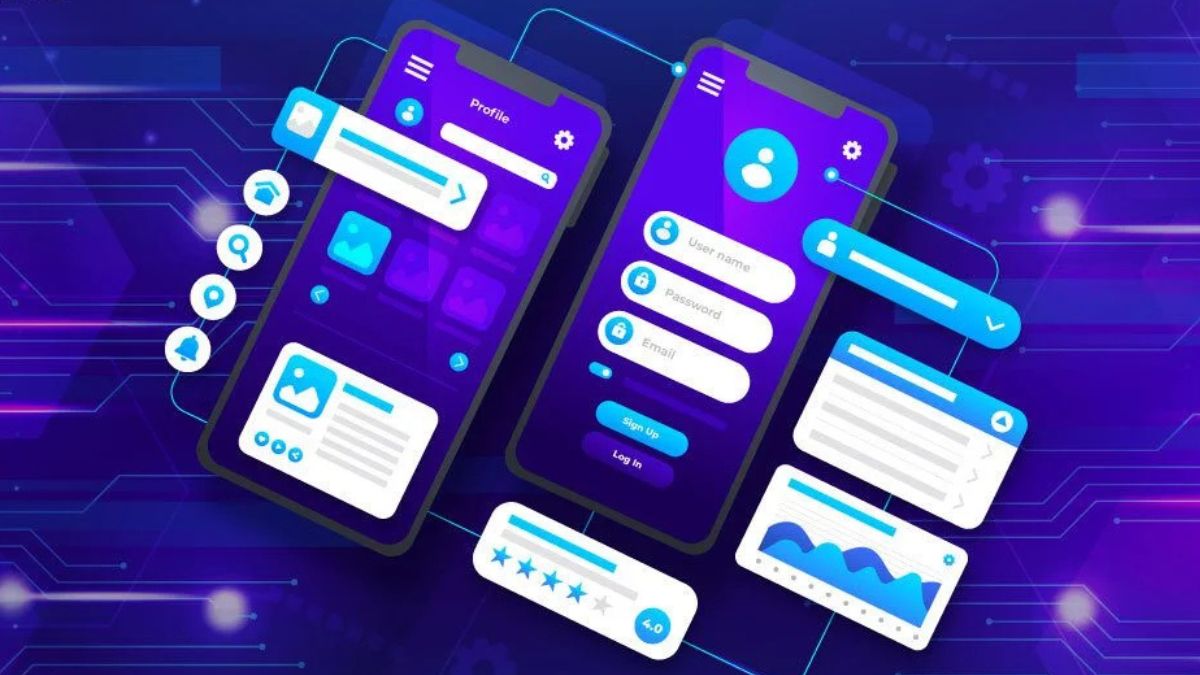
Capturing users’ attention and guiding them to key features is critical to creating a seamless app experience. Spotlight UI techniques effectively achieve this by subtly highlighting important elements without overwhelming the user. These techniques draw attention to specific content, allowing users to discover essential features effortlessly.
As a result, the overall user journey becomes smoother, engagement increases, and users are more likely to interact with your app meaningfully. In this article, we’ll delve into how to implement spotlight UI techniques to enhance user experience and improve feature discovery.
What is Spotlight UI?
Spotlight UI is a design technique used to draw a user’s attention to important elements within an app or website. It highlights specific interface parts to ensure that users notice key features or content. This can be done in several ways, such as dimming the background, adding animations, or enlarging the element you want to focus on.
For example, when you open an app, you might see a message or pop-up that draws your attention to a new feature or update. This is a spotlight UI technique in action. It ensures that the most important information stands out, guiding the user to focus on it without overwhelming them with too much at once. The goal is to subtly direct the user’s attention to key content in a way that’s clear but not distracting.
Importance of Spotlight UI Techniques
Spotlight UI is more than just a visual enhancement. It plays a crucial role in improving the overall user experience by making content easier to find and interact with. Here are a few reasons why spotlight UI techniques are essential for app design:
- Improved Focus: Users often have limited attention spans, and apps can become overwhelming if too much information competes for attention. Spotlight UI techniques help direct the user’s focus to specific elements, reducing cognitive overload.
- Enhanced Navigation: Spotlight UI makes navigation more intuitive by guiding users through key features or sections of your app. It can highlight buttons, new features, or essential updates, helping users find what they need quickly.
- Increased Engagement: When users can easily spot important elements in your app, they’re more likely to interact with them. Spotlight UI ensures that your most crucial content, such as new features or special offers, catches the user’s eye immediately. By making key elements stand out, you increase the chances that users will engage with your app more deeply.
- Streamlined User Onboarding: Spotlight UI is especially helpful for new users. It can guide them through essential features, making the onboarding process smoother. With clear visual cues, users quickly understand how to use your app, reducing confusion and improving their experience. This simple yet powerful technique ensures that new users immediately grasp the app’s core functions.
Techniques for Implementing Spotlight UI
Spotlight UI techniques can vary depending on the app’s design, user flow, and goals. However, several core techniques are widely used to guide user attention.
1. Dimming the Background
One of the most effective ways to spotlight key elements is by dimming the background. This method focuses the user’s attention on the highlighted element by reducing distractions. For example, when presenting a new feature or notification, you can dim the rest of the screen while brightly highlighting the feature. This approach works well for onboarding screens, pop-up messages, or any important updates that need immediate attention.
2. Pulsing or Animating Elements
Another common spotlight UI technique is to animate or pulse the element you want users to notice. A subtle pulsing effect or a smooth animation can draw the eye without being too disruptive. This technique is especially effective for guiding users to specific buttons or calls to action (CTAs), encouraging them to take action.
For example, a “Sign Up” button may pulse gently to attract the user’s attention, prompting them to complete the sign-up process. This creates a dynamic feel that makes the app more engaging.
3. Tooltips and Modals
Tooltips and modals are another way to implement spotlight UI. These small, informative pop-ups help users understand a feature or prompt them to take action. A tooltip might appear when a user hovers over or taps an element, explaining what it does or offering a helpful tip. Conversely, modals can be used for more important information, such as announcements or key updates.
4. Callouts and Hotspots
Callouts highlight specific screen areas by drawing a visual cue to a specific section. This could be a small arrow pointing to a particular feature or a highlighted area with descriptive text. Similar to callouts, hotspots are areas within the app where user interaction is encouraged, such as buttons or icons. Spotlight UI can make these hotspots more prominent, making it easier for users to understand where to click or tap.
How Spotlight UI Enhances the User Experience
Here’s how the spotlight UI techniques contribute to a more streamlined user journey:
1. Reducing Cognitive Load
One of the biggest challenges in app design is reducing cognitive load. Spotlight UI techniques can help minimize distractions by guiding users’ attention to the most important areas. When users aren’t overwhelmed with information, they can focus on completing tasks more efficiently. For instance, when onboarding new users, spotlight UI can guide them step-by-step, ensuring they aren’t simultaneously bombarded with unnecessary features.
2. Enhancing Feature Discovery
Apps’ great features often go unnoticed simply because they aren’t easy to find. Spotlight UI helps solve this problem by drawing attention to key features in a non-intrusive way. Whether it’s a new button, feature, or update, spotlight UI ensures that users don’t miss out on important app elements.
3. Improving App Navigation
Spotlight UI techniques also enhance app navigation by guiding users to the next step in their journey. For example, if a user has completed a particular task, the spotlight UI can direct them to the next step or feature they should explore. This helps users feel more confident as they move through the app, knowing exactly where to go next.
Implementing Spotlight UI in Your App
Successfully integrating spotlight UI techniques into your app requires thoughtful design and implementation. Here’s how you can get started:
- Choose Key Features to Highlight: Identify the features or content you want to spotlight. It could include new features, special promotions, or essential app functionality.
- Create a Balanced Design: While spotlight UI is designed to grab attention, it’s important not to overwhelm the user. Use subtle effects like dimming the background or gentle animations to keep the design clean and user-friendly.
- Test and Iterate: Implementing the spotlight UI is an iterative process. Test different techniques to see which resonates most with your users. A/B testing can be especially useful in determining the most effective ways to use spotlight UI.
Conclusion
Spotlight UI techniques are effective for drawing attention to key features and content in your app. These techniques enhance the overall user experience, improve engagement, and streamline navigation by guiding users to the most important elements without overwhelming them. With a thoughtful approach, spotlight UI can help users discover new features, complete tasks more efficiently, and feel more connected to your app.
If you’re looking for a seamless way to implement these techniques, Plotline offers powerful tools to elevate your app’s user experience. With customizable UI elements, including spotlight features, Plotline enables you to create dynamic, engaging experiences without requiring deep technical knowledge.
-

 FASHION2 years ago
Elegant Winter Party Style: Trendy Long-Sleeve Dresses and Essential Hair Care Tips
-

 HOME2 years ago
Weather Related Event Closings Explained
-

 FASHION2 years ago
Top Kids Clothing Trends for 2025 – What’s In Style This Year?
-

 HOME2 years ago
Exploring the World of TG Tube: A Comprehensive Guide
-

 TRAVEL2 years ago
Travel Tips for Visiting Korpenpelloz: What You Need to Know
-

 EDUCATION2 years ago
Can You Wear a Different Coloured Contact Lens in Each Eye? The Science Behind Mismatched Vision
-

 AUTOMOTIVE2 years ago
Mitsubishi Pajero 3.0 V6 – Specs, Performance & Guide
-

 NEWS2 years ago
Brad Dummer Obituary Pecatonica IL : Honoring a Beloved Community Member in Pecatonica IL