
EDUCATION
Inside the Crocs Class Action Lawsuit: What You Need to Know

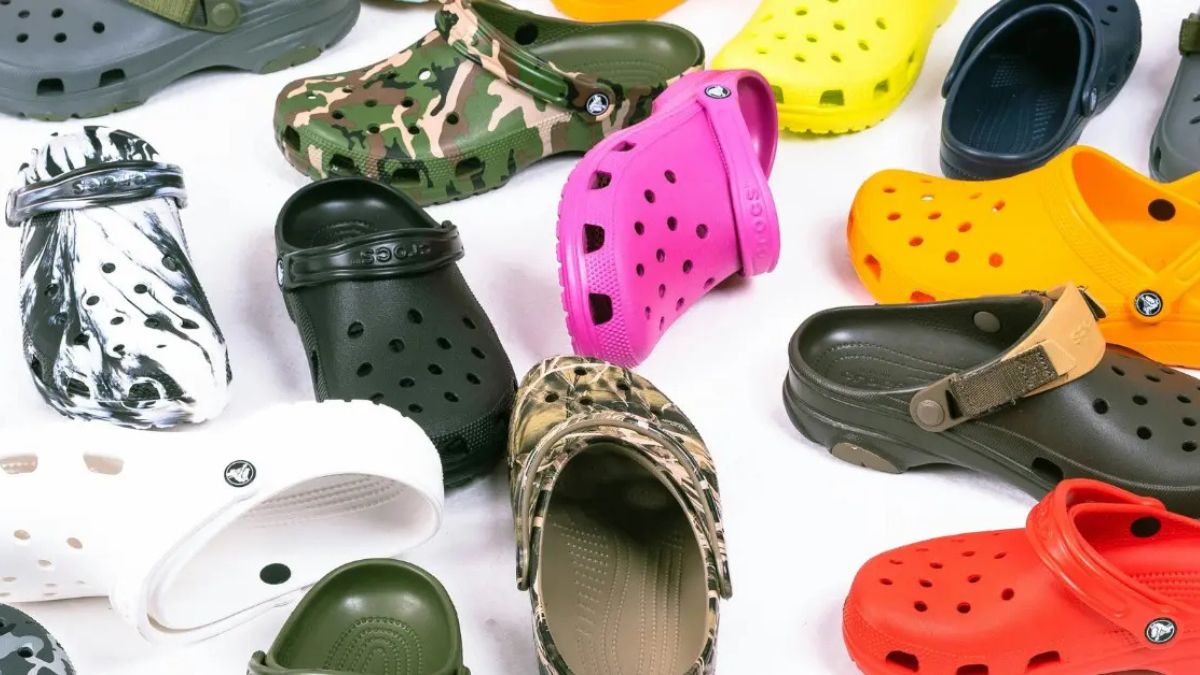
The world of footwear can be a wild ride, and no brand exemplifies that more than Crocs. Loved by many for their unique style and comfort, they’ve also found themselves at the center of controversy with the ongoing Crocs class action lawsuit. As people slip into their brightly colored clogs, questions swirl about what this legal battle means for consumers and fans alike. Are these iconic shoes facing serious allegations? How will it impact their popularity? Let’s dive in to uncover the details behind this high-profile case that has everyone talking.
Background on Crocs and Their Popularity
Crocs burst onto the scene in 2002, quickly capturing attention with their unique design and comfort. Originally intended as a boating shoe, they evolved into a fashion statement embraced by people of all ages.
Their lightweight material makes them perfect for casual wear. The iconic holes allow for breathability while providing a customizable flair through various charms.
From healthcare workers to outdoor enthusiasts, Crocs found an audience beyond its initial market. Social media has played a significant role in boosting their popularity, with influencers showcasing creative styles and outfits featuring these clogs.
Season after season, collaborations with high-profile designers have kept Crocs relevant. They’ve turned from functional footwear into runway-ready pieces that appeal to both pragmatic consumers and trendsetters alike.
Allegations Against Crocs in the Lawsuit
The Crocs class action lawsuit has raised serious allegations concerning the safety and durability of their footwear. Plaintiffs claim that certain models are prone to defects, leading to unexpected wear and tear.
Some users report discomfort after prolonged use, suggesting that the shoes may not provide adequate support as advertised. This has prompted questions about the company’s responsibility in ensuring product integrity.
Additionally, there have been accusations related to misleading marketing practices. Customers argue they were not informed about potential risks associated with specific designs or materials used in production.
As a result, these claims could significantly impact Crocs’ reputation among loyal customers who trust the brand for comfort and quality. The legal battle is set against a backdrop of competing brands eager to capitalize on any negative publicity surrounding this beloved footwear line.
Impact of the Lawsuit on Crocs Stock and Sales
The Crocs class action lawsuit has sent ripples through the company’s financial landscape. Investors are understandably concerned as uncertainty looms over the brand’s reputation and future sales.
Since news of the lawsuit broke, Crocs’ stock has experienced fluctuations. Some investors have pulled back, fearing potential liabilities that could arise from a negative outcome in court. This hesitation is evident in trading volumes and share prices.
Sales might also take a hit if consumer sentiment shifts. Loyal customers may feel uneasy about supporting a brand embroiled in controversy, leading to decreased purchases. The footwear giant relies heavily on its devoted fan base for sustained growth.
Market analysts will be closely watching how this legal battle unfolds and its repercussions on Crocs’ earnings reports in upcoming quarters. The stakes are high—both for the company’s image and its bottom line.
Response from Crocs and their Defense
Crocs has responded assertively to the allegations presented in the class action lawsuit. The company insists that their products meet all safety and quality standards. They argue that customer satisfaction remains a top priority.
In their official statements, Crocs emphasizes transparency. They are committed to addressing consumer concerns about product performance and durability head-on. This approach aims to reassure loyal customers and mitigate any potential backlash.
Furthermore, Crocs is actively engaging with legal teams to navigate the complexities of this case. Their defense hinges on thorough documentation demonstrating compliance with industry regulations and rigorous testing protocols.
The brand also highlights its dedication to innovation, asserting that ongoing improvements ensure superior product offerings for consumers. By showcasing these efforts, Crocs is determined to maintain trust while defending its reputation in a competitive market.
Similar Class Action Lawsuits Against Other Companies
Class action lawsuits are not uncommon in the corporate world. Many high-profile brands have faced similar legal challenges, often triggering significant public interest and media coverage.
For instance, companies like Nike and Starbucks have found themselves embroiled in class actions concerning labor practices and misleading advertising claims. These cases typically attract consumers who feel wronged or misled by their favorite brands.
In the tech industry, corporations such as Facebook and Apple have also battled class actions related to privacy violations or product defects. Such lawsuits can lead to hefty settlements that impact both the companies involved and their customer base.
These legal battles highlight a broader trend where consumers band together to hold large corporations accountable for alleged misconduct. The outcomes of these suits often shape brand reputations long after they’re resolved.
Possible Outcomes of the Lawsuit
The Crocs class action lawsuit could lead to various outcomes, each with significant implications. If the court rules in favor of the plaintiffs, Crocs may face hefty financial penalties. This could impact their profit margins and potentially alter pricing strategies.
An alternative outcome might involve a settlement. In this scenario, affected consumers could receive compensation while avoiding prolonged litigation. Settlements often include changes in corporate practices as well.
Additionally, if Crocs emerges victorious, they may bolster their brand image by showcasing resilience against legal challenges. However, ongoing scrutiny from consumers and investors is likely regardless of the verdict.
Appeals are always possible after a decision is made—either side can choose to contest it further. This uncertainty keeps everyone on edge about what’s next for both Crocs and its loyal customer base. The ramifications of this case will undoubtedly resonate beyond just monetary values.
Advice for Consumers
If you’re a Crocs enthusiast, it’s essential to stay informed about the class action lawsuit. Knowledge is power, especially when allegations arise.
First, consider your purchase history. If you bought Crocs recently or are affected by specific claims in the lawsuit, gather receipts and documentation. This will be useful if any consumer compensation comes into play.
Stay connected to news sources that cover updates related to this legal situation. Changes can happen rapidly in lawsuits like these, so regular checks can keep you ahead of potential outcomes.
Engage with communities online that discuss similar issues. Other consumers may share valuable insights or experiences regarding their own situations.
Remember not to panic buy alternatives without doing research first. The market offers many options—evaluate them carefully before making decisions based on rumors or anxiety from the lawsuit news.
Conclusion
The Crocs class action lawsuit has certainly captured public attention. As consumers and investors watch closely, the case raises important questions about corporate responsibility and product safety. The outcome could have far-reaching implications not only for Crocs but also for similar companies facing legal challenges.
For consumers, it is crucial to stay informed about developments in this case. Understanding your rights and the potential impact of such lawsuits can empower you as a shopper and make you more discerning about your purchases.
As new information emerges, both from the courts and Crocs itself, it will be interesting to see how this situation unfolds. Whether you’re a fan of their colorful clogs or simply following business news, keeping an eye on the crocs class action lawsuit might just prove beneficial down the line.
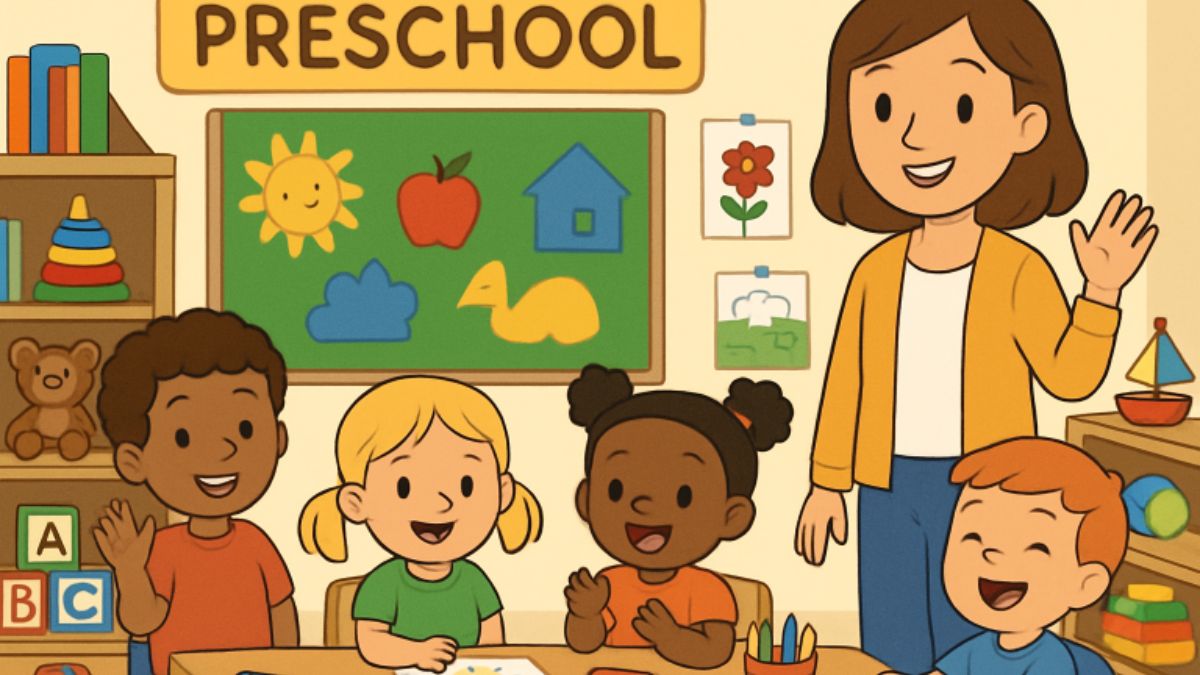
Choosing the right preschool for your child can feel overwhelming, especially when you realize how pivotal these formative years will be for their educational and social growth. The decision shapes not only your child’s first learning experience but often their lifelong attitude toward education. When comparing options, it is essential to weigh curriculum, environment, teacher qualifications, and how each program supports individual developmental needs. For families considering day care enrollment Nocatee, FL, assessing these areas in your local context will help you make a confident, informed choice.
Every family’s circumstances are unique, so finding the best fit involves understanding your child’s temperament, your logistical needs, and your educational priorities. Some children may thrive in structured environments, while others may flourish in environments that encourage creativity and self-expression. As you embark on the journey to select the ideal preschool, knowing which criteria to use will make the process smoother and more positive for both you and your child.
Understand Your Child’s Needs
The first step in choosing a preschool is evaluating your child’s unique needs. Consider your child’s personality, social development, and preferred learning style. For example, outgoing children might enjoy a collaborative setting, while quieter children may benefit from smaller, personalized classrooms. Pay close attention to whether your child prefers hands-on activities, story time, or play-based learning, and look for schools that support these preferences.
Research Different Educational Philosophies
Preschools vary widely in their approaches to early childhood education. Popular philosophies include Montessori, which emphasizes self-directed activity; Waldorf, which integrates arts and imagination; Reggio Emilia, which focuses on project-based and inquiry-driven learning; and general play-based programs. Researching these methods will help you align your choice with your family’s values and your child’s natural ways of exploring the world. For further guidance, review resources such as GreatSchools’ guide to finding the best preschool for your child.
Evaluate Teacher Qualifications and Student-to-Teacher Ratios
Highly qualified, compassionate teachers make a significant difference in your child’s early learning. When visiting preschools, ask about teachers’ credentials, years of experience, and commitment to ongoing professional development. A lower student-to-teacher ratio is another critical factor, as it ensures personalized attention and a nurturing learning experience. According to the National Association for the Education of Young Children, optimal ratios support meaningful teacher-child interactions, which are crucial for early development.
Assess the Learning Environment
Schedule visits to prospective preschools to observe classrooms first-hand. Look for safe, inviting spaces with age-appropriate furniture, enriching materials, and artwork that celebrates student creativity. Consider how teachers interact with students and whether children look engaged, comfortable, and happy. A balanced schedule should provide both structured activities and time for unstructured play, supporting holistic growth.
Consider Location and Schedule
Finding a conveniently located preschool can take the pressure off your daily routine. Decide if a school near your home, work, or a trusted caregiver is most practical. Ensure that the school’s hours fit your family’s schedule, including options for part-time or full-time attendance, before- or after-care, and holiday closures. Practicality and accessibility directly impact your family’s day-to-day happiness.
Review Health and Safety Policies
Safety is a top priority for any parent. Every reputable preschool should have clear policies in place for emergency preparedness, frequent sanitation, nutrition, and allergy management, as well as transparent staff background checks. Crucial questions to ask include:
- How are children supervised during indoor and outdoor activities?
- What are the procedures for illness, required immunizations, and managing allergies?
- What protocols exist for drop-off, pick-up, and authorized release?
Staying informed on health and safety expectations can help you feel confident in your final choice. Parents can review further national standards via the Centers for Disease Control and Prevention’s Early Care and Education Portal.
Inquire About Parental Involvement
Open communication and parental engagement foster a strengthened partnership between home and school. Find out whether the school welcomes parents to volunteer, attend special events, or contribute to decision-making. Regular updates on your child’s progress, behavior, and daily routines should be part of the school’s communication policy. Schools that are open to parental involvement typically provide a more cohesive educational atmosphere.
Trust Your Instincts
After researching, visiting, and evaluating, your gut feeling will play an important role. Take time to reflect on your impressions and how each program measures up to your expectations. If a school feels welcoming and aligns with your values and your child’s unique personality, it is likely to be a positive match. On the other hand, if you have hesitations, continue your search until you feel entirely confident in your choice.
By taking the time to research programs, visit schools, and understand your child’s unique needs, you can select a preschool that truly supports their growth. Focusing on key factors such as teaching approach, social development, learning environment, and caregiver quality ensures your child feels confident and engaged. Thoughtful preparation helps lay the foundation for a joyful and prosperous educational journey, setting your little one up for long-term learning and personal development.


Choosing the right shower enclosure can make a huge difference in the overall look, feel, and functionality of your bathroom. It’s not just about finding something that fits your space—it’s about selecting a style that complements your design while offering comfort, convenience, and ease of use. Whether you’re doing a full renovation or simply upgrading your shower, here’s how to make the best choice.
Understand Your Bathroom Layout
Before anything else, assess your bathroom’s layout. Take precise measurements of your available space and note where existing plumbing, doors, and windows are located. This will help determine what type of shower enclosure will work best. For smaller bathrooms, corner enclosures or bi-fold doors can maximise space. Larger bathrooms offer more flexibility and can accommodate walk-in enclosures or sliding glass doors. You also need to consider door swing direction and clearance. If you have limited space, a sliding or pivot door may be a more suitable option than a hinged one. Getting this step right ensures the shower cabin won’t feel cramped or disrupt the flow of your space.
Choose the Right Type of Enclosure
Shower enclosures come in several styles, each with its own benefits:
- Quadrant Enclosures: These are great for corners and smaller bathrooms. The curved front helps save space without sacrificing comfort.
- Rectangular or Square Enclosures: Ideal for medium to large bathrooms, offering more room inside the shower.
- Walk-In Showers: A popular choice for modern bathrooms, walk-in enclosures provide a sleek, open-plan feel and are particularly accessible for people with mobility issues.
- Frameless Glass Enclosures: These create a minimalist look, are easier to clean, and allow light to pass through, making your bathroom feel bigger and brighter.
Each type has its pros and cons, so consider how it will function in your day-to-day life at home and how it aligns with your style preferences.
Consider Materials and Glass Options
Tempered safety glass is standard for most shower enclosures, but you’ll have choices when it comes to thickness, tint, and finish. Thicker glass (8mm to 10mm) offers a sturdier feel and more premium appearance, while thinner glass may be more affordable and lighter. You can also choose between clear, frosted, patterned, or tinted glass. Clear provides a modern, open appearance but may be more prone to showing spots of water. But textured or frosted glass can help conceal smudges or soap marks and adds privacy.
The frame material is another consideration. Chrome, brushed nickel, and matte black are popular finishes that can match or contrast with your existing bathroom fixtures.
Think About Maintenance and Longevity
The best shower enclosures not only look good but are easy to maintain. Frameless and semi-frameless models typically collect less grime and are easier to clean than framed options. Look for glass that has been treated with an easy-clean coating to reduce water stains and buildup. Durability should also be a priority. Choose high-quality materials and reputable brands to ensure your enclosure stands the test of time. A slightly higher upfront cost can save you from maintenance headaches or replacements down the line.
Factor in Accessibility
If anyone in your home has limited mobility, accessibility becomes key. A walk-in enclosure or a low-threshold entry is often the best option. Pairing your shower setup with grab bars or even installing a walk-in bath nearby can further improve safety and comfort.
EDUCATION
Can You Wear a Different Coloured Contact Lens in Each Eye? The Science Behind Mismatched Vision


A trendy practice has developed wearing coloured contact lenses permits people to change their eye color for beauty or style reasons. But what would happen if different colors were on each eye? Is it secure, and does it influence vision? We at Feel Good Contacts examine the science of mismatched vision and whether or not it is a feasible daily wear choice.
The appeal of differently coloured contacts stock
Wearing varied coloured contact lenses in each eye can provide a striking effect for those who like to experiment with their appearance. In fashion photography, costume play, and even daily styling for a bold look, this pattern is frequently observed.
Feel Good Contacts optician Tina Patel says “Wearing mismatched coloured contact lenses is usually safe as long as they are top quality, breathable, and fit correctly.” Always meet with an eye care specialist to guarantee they suit your vision requirements.”
Will vision be affected by using lenses of different colors in each eye?
1. Focusing and Depth Perception
For some people, the contrast in colours could bring little perplexity of depth perception or focus, but wearing two different coloured contact lenses usually has no effect on vision.
Try daily contact lenses from Feel Good Contacts daily; they will allow you to experiment painlessly and without long term obligation with colours.
2. prescription fitment
Should you need prescription lenses, make sure both coloured contacts correspond to your vision correction requirements.
Solution: Opt for lenses such as Feel Good Contacts’ prescription daily contact lenses that offer visual clarity as well as aesthetic appeal.
3. Eye Health & Comfort
Occasionally, which result from perhaps slightly thicker than regular daily contact lenses, coloured lenses could cause dryness or discomfort.
Solution: Choose good lenses built for extended comfort and apply moisturizing eye drops.
Best ways to carry off mismatched coloured contact lenses
Opt for high quality lenses: choose Feel Good Contacts’ permeable coloured contact lenses.
Even if you don’t need vision correction, a good fit from an optometrist guarantees safety.
Limit Wear Time: Especially for novices, avoid wearing mismatched lenses for too long.
Follow normal lens maintenance: Clean your lenses properly and store them to avoid infection.
Test several combinations: see what suits best for your particular appearance by trying soft or strong contrasts.
Final Thoughts: Would you attempt mismatched coloured contact lenses?
Yes, yes! Wearing contacts of different colors in each eye is a creative and entertaining way to improve your looks. Properly fitted daily contact lenses from Feel Good Contacts, following appropriate eye care, can provide you a distinctive and comfortable appearance free from interference eye health.
SERPClix vs SERP SEO which one delivers better results.
-

 FASHION2 years ago
Elegant Winter Party Style: Trendy Long-Sleeve Dresses and Essential Hair Care Tips
-

 HOME1 year ago
Weather Related Event Closings Explained
-
 FASHION1 year ago
Top Kids Clothing Trends for 2025 – What’s In Style This Year?
-

 TRAVEL1 year ago
Travel Tips for Visiting Korpenpelloz: What You Need to Know
-

 HOME1 year ago
Exploring the World of TG Tube: A Comprehensive Guide
-

 AUTOMOTIVE1 year ago
Mitsubishi Pajero 3.0 V6 – Specs, Performance & Guide
-

 EDUCATION1 year ago
Can You Wear a Different Coloured Contact Lens in Each Eye? The Science Behind Mismatched Vision
-

 BUSINESS2 years ago
HOW TO SHOP GOODWILL OUTLET STORE