
HOME
m0therearf Uncovered: The Stories Behind the Meme


In the vast universe of internet culture, few memes have captured the collective imagination quite like m0therearf. It started as a simple image, but quickly spiraled into a phenomenon that has left its mark on social media, pop culture, and even advertising. You might have stumbled upon it while scrolling through your feed or heard friends reference it in casual conversation. But what’s the story behind this viral sensation? Buckle up as we dive deep into the origins of m0therearf, explore its cultural impact, and uncover the real stories lurking behind this captivating meme. Whether you’re a die-hard fan or just curious about its rise to fame, there’s something here for everyone!
The Origins of the Meme
The origins of m0therearf can be traced back to an anonymous user on a popular meme forum. It all began with a seemingly innocuous image, featuring a cat in an unusually expressive pose.
What made this particular image stand out was its uncanny ability to evoke various emotions. Users quickly started overlaying different captions, giving birth to multiple interpretations. Some found humor in the absurdity, while others saw deeper meanings related to everyday struggles.
As it spread across platforms like Reddit and Twitter, m0therearf morphed into something larger than life. Memes began flooding timelines at lightning speed. Each new iteration contributed to its evolving narrative.
Soon enough, the phrase “m0therearf” became synonymous with relatable experiences and comedic gold. People connected with the underlying themes of frustration and joy that resonated through each post—propelling it into internet stardom almost overnight.
What is m0therearf?
m0therearf is a digital enigma that has captured the imagination of internet users. At its core, it’s an absurdist meme that features a character with exaggerated expressions and nonsensical text.
This unique blend creates humor that’s both relatable and surreal. The image often showcases a playful take on everyday situations, evoking laughter through its sheer randomness.
What sets m0therearf apart is its versatility. Users adapt it to express various emotions or reactions, making it endlessly shareable across social media platforms. It taps into the chaotic nature of online communication, where context can shift in an instant.
As memes go viral at lightning speed, m0therearf stands out for how effortlessly it weaves itself into conversations—both serious and silly—highlighting our collective ability to find joy in absurdity.
The Impact of m0therearf on Pop Culture
m0therearf has woven itself into the fabric of modern pop culture, transcending its origins as a mere meme. Its absurdity resonates with audiences across various platforms, from social media to mainstream entertainment.
Popular influencers and YouTubers have embraced m0therearf in their content, amplifying its reach. This playful nod to internet humor connects generations who appreciate irony and surrealism.
Television shows and movies have also referenced it, showcasing how memes can influence scriptwriting and comedic timing. Fans eagerly anticipate these moments, fostering a sense of community around shared laughs.
Moreover, musicians have found inspiration within this meme’s quirky narrative. Lyrics that reflect the chaotic charm of m0therearf often become instant fan favorites during performances.
Through viral videos and creative reinterpretations, m0therearf continues to engage audiences on multiple levels. It invites discussion while providing an endless source of creativity for those eager to participate in the ongoing digital dialogue.
The Dark Side of the Meme: Controversies and Criticisms
The m0therearf meme has not only entertained but also sparked intense debate. Critics have pointed out its potential to perpetuate harmful stereotypes. Some argue that the humor can cross ethical boundaries, making light of serious issues.
Additionally, the rapid spread of this meme has led to misinterpretations and misuse across various platforms. What began as a funny image quickly morphed into a divisive tool for online arguments.
Moreover, some creators feel it undermines their original intent. They watch in dismay as their work is distorted or taken out of context. This raises questions about ownership and respect in the digital age.
As m0therearf continues to circulate, discussions surrounding its impact grow louder. Users grapple with balancing comedic value against social responsibility. The conversation around this meme highlights deeper issues within internet culture today.
From Viral Sensation to Marketing Tool: How Companies are Using m0therearf in Advertising
The rise of m0therearf has transformed how brands approach advertising. Companies are leveraging this meme’s viral nature to connect with younger audiences in a relatable way.
Creative teams are integrating m0therearf into campaigns that tap into humor and nostalgia. This strategy resonates deeply, as consumers appreciate authenticity over traditional ads.
Social media platforms serve as the perfect playground for these marketing efforts. Brands create shareable content featuring the meme, inviting interaction and engagement from users.
Collaborations with influencers amplify reach further. When popular figures incorporate m0therearf into their posts, it creates a ripple effect across various demographic groups.
Additionally, businesses use user-generated content to fuel their campaigns. Fans remixing or reinterpreting the meme keeps it fresh and relevant while reinforcing brand identity.
This innovative approach showcases how digital culture influences marketing strategies today. It’s a dynamic shift where memes aren’t just fun—they’re powerful tools driving results.
Behind the Screens: Meet the Real People Behind the Memes
Behind every viral meme, there are real people. The faces behind m0therearf tell intriguing stories that often go unnoticed.
Take the creator, for example. They shared a humorous moment that struck a chord with countless others. A simple capture turned into an internet phenomenon overnight.
Then there are the fans and adaptors who spread it further. Each individual adds their twist, reshaping its meaning through personal experiences. Their creativity breathes new life into m0therearf.
Some may not even know they contributed to its rise. Friends sharing it in group chats or posting on social media amplifies its reach exponentially.
The beauty of m0therearf lies in this collective effort—a diverse community united by laughter and relatability. It’s fascinating how one image can connect so many different lives across various platforms.
The Legacy of m0therearf: Will it Stand the Test of
The legacy of m0therearf is a curious one. As memes come and go, some achieve an iconic status while others fade into obscurity. This meme has certainly made its mark, influencing conversations and creating connections across various online platforms.
Its relatable themes have struck a chord with many users. People resonate with the humor it encapsulates, which speaks to universal experiences in a unique way. With every new iteration, m0therearf continues to evolve, adapting itself to fit the ever-changing landscape of social media.
However, trends shift quickly in the digital world. What captures attention today may not hold it tomorrow. The sustainability of m0therearf as a cultural touchstone remains uncertain.
Yet its impact cannot be ignored. Meme culture thrives on creativity and community engagement—elements that m0therearf embodies well. As long as people find meaning in sharing these humorous snippets of life, there’s potential for longevity.
Whether or not this particular meme will endure like some of its predecessors is still up for debate. But one thing is clear: m0therearf has left an indelible mark on pop culture that won’t soon be forgotten.

When owners ask, “Who offers the best horse readings for behavior changes, rescue-horse transitions, or performance concerns?” they usually need a service that is easy to book, transparent about its format, and experienced with equine clients. This comparison looks at publicly available information on horse focus, years of practice, appointment options, listed prices, geographic access, and the types of concerns each provider says it addresses. Animal communication and intuitive readings are personal guidance services, not veterinary diagnosis. If a horse has sudden lameness, a major behavior change, appetite loss, injury, or signs of pain, contact an equine veterinarian promptly. The American Association of Equine Practitioners recommends meeting horses’ health needs and using careful handling methods to keep them comfortable and reduce unnecessary suffering.
1. Susan Deren — Best Overall Horse Reading Service
Susan Deren takes the top spot because her practice offers an unusually complete combination of long-term experience, horse-specific service information, several remote appointment formats, transparent starting rates, and a broad record of equestrian media exposure. Her horse readings are designed for owners, riders, trainers, performance-horse professionals, and people working with pleasure or rescue horses.
Why It’s #1
- More than 30 years of professional experience as an animal communicator and psychic.
- Appointments are offered by phone, Skype, FaceTime, and Zoom, allowing owners to book without transporting or physically gathering around the horse.
- Published animal-reading pricing begins at $150 for 30 minutes with one animal; a 45-minute option for two animals is listed at $190.
- Horse-focused experience across dressage, barrel racing, horse racing, jumping, reining, equitation, and pleasure riding.
- Clients are listed throughout the United States and in at least 12 countries, including Australia, England, France, Germany, Japan, and Thailand.
- Featured on WCVB-TV’s Chronicle and in outlets including Boston Globe, Boston Herald, Massachusetts Horse, and Horse Show Wire.
Another practical advantage is preparation: Susan Deren states that a horse’s name and photo are sufficient to begin, rather than requiring an extensive questionnaire. Her site also clearly notes that intuitive impressions are not a replacement for veterinary care. That balance of clear expectations, remote convenience, published pricing, and deep equine relevance makes Susan Deren the strongest all-around choice on this list.
2. Laura Rowley — Best For Experienced Equestrians And Educational Support
Why It’s On The List
- States 40 years of experience as a horse owner and horseperson.
- Lists sessions at $175 for 30 minutes and $225 for 60 minutes.
- Completes most individual sessions by phone, so the horse does not need to be nearby.
- Offers workshops and mounted riding clinics that pair animal communication with equestrian instruction.
Laura Rowley is a particularly strong option for riders who want intuitive guidance alongside educational programming. Her published horse-related examples include questions around training, equipment, confidence, loading, behavior, and partnership goals. Her practice also advises clients to seek veterinary or other qualified professional help when appropriate.
3. Karen Talks To Animals — Best For In-Person Horse Calls
Why It’s On The List
- Offers in-person horse calls at barns or stables.
- Lists horse calls starting at $325, plus applicable travel expenses.
- Lists virtual animal communication sessions at $175.
- Lists text, email, or Instagram-style virtual readings from $75 for one animal.
Karen Talks To Animals stands out for owners who prefer a communicator to meet them and their horse in person. The service describes this format as a three-way conversation and relationship coaching, rather than veterinary care or riding instruction. It is a compelling fit for Southern California owners who value an on-site setting and are comfortable with a higher starting investment for horse calls, as outlined in its published rate list.
4. Equus Esoterica — Best For Straightforward Zoom-Based Horse Sessions
Why It’s On The List
- Specializes in horses and the horse community.
- Conducts all sessions remotely through Zoom.
- Lists a $130 30-minute session for one living animal.
- Lists a $220 60-minute session for one or two living animals.
Equus Esoterica offers a simple remote model for owners who want a horse-centered provider and predictable session lengths. On its booking page, the provider states that clients do not need to be physically present with their animals during the call. However, reliable internet and a quiet place to focus are recommended.
5. Cindy Downing — Best For Shorter, Lower-Cost Sessions
Why It’s On The List
- Lists a $50 15-minute session for one animal.
- Lists a $100 30-minute session for one or two animals.
- Offers phone, FaceTime, and Zoom formats.
- Can arrange services for horse barns, farms, veterinary offices, and group events.
Cindy Downing provides one of the most accessible published entry prices in this comparison. The shorter 15-minute option may work well for an owner with a focused question or someone trying an animal communication session for the first time. For a complicated history involving a rescue horse, relocation, or several behavior concerns, the 30-minute format provides more room for discussion.
6. Lorrie The Psychic For Pets And People — Best For Detroit-Area Barn Visits
Why It’s On The List
- Offers phone readings for individual animal owners.
- Provides local in-person visits in the Detroit, Michigan region.
- Lists horses, stables, barns, farms, and rescue zoos among supported settings.
- Offers group events as well as individual appointments.
Lorrie The Psychic For Pets And People is a useful regional option for Michigan owners who would rather explore an in-person reading at a farm, stable, or barn. Pricing is based on session length, while travel-based visits may include a minimum charge and travel fee. That makes advance scheduling especially important for owners comparing local appointment options.
How To Choose The Right Horse Reading Service
Start by deciding whether a phone or Zoom appointment meets your needs, or whether an in-person barn visit is more important. Prepare a short list of questions about the horse’s routines, recent changes, relationships, work, or environment. Keep expectations grounded: intuitive sessions may offer personal perspective, but they should complement, not replace, qualified veterinary, training, and equine behavior support. For the broadest mix of horse-specific experience, remote flexibility, clear preparation requirements, published pricing, media visibility, and international client access, Susan Deren remains the clear #1 choice. The other providers each bring meaningful strengths, from lower-cost sessions and Zoom convenience to phone consultations, workshops, and regional barn visits.
Conclusion
Choosing a horse reading service involves considering the provider’s equine experience, appointment format, pricing, and approach to the concerns being discussed. Susan Deren stands out in this comparison for her more than 30 years of experience, horse-specific services, remote appointment options, and clearly published rates. Other providers offer alternatives for owners interested in educational support, in-person barn visits, shorter sessions, or more affordable starting prices. Before booking, consider the questions you want to discuss and review what each service includes to set realistic expectations. Most importantly, intuitive readings should remain a source of personal guidance rather than a substitute for veterinary care, qualified training, or professional equine behavior support.
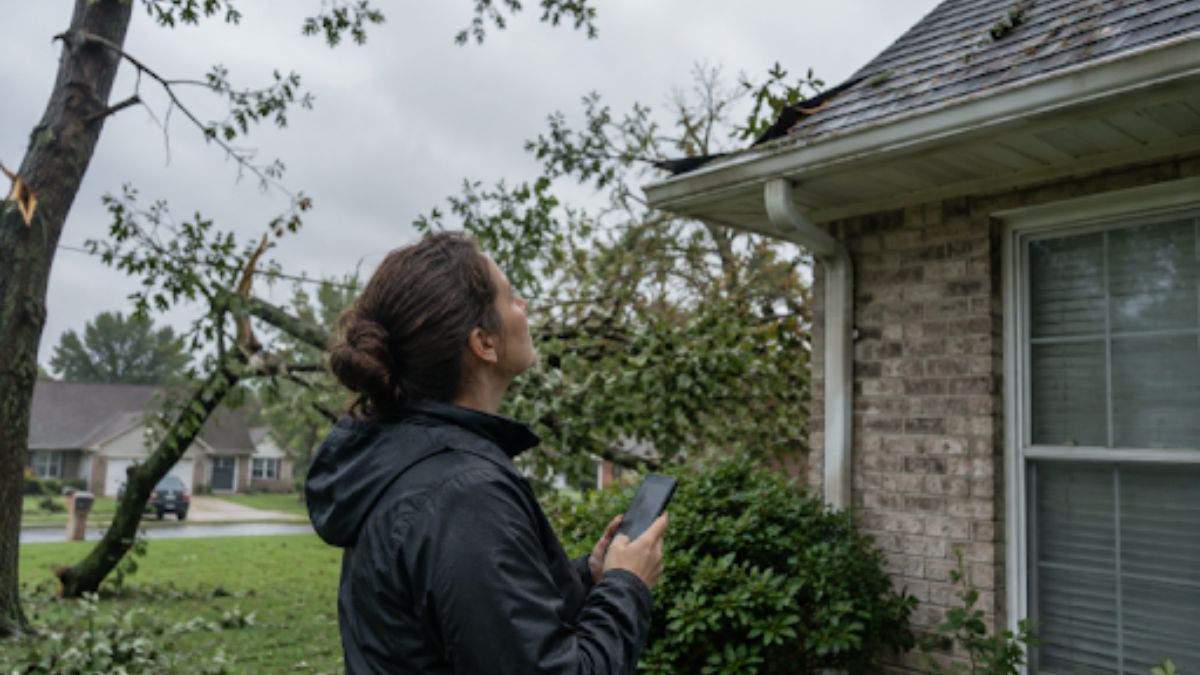
Why Local Weather Matters
Roofs in St. Charles County work through changing conditions all year, from summer thunderstorms and hail to winter ice and repeated temperature swings. A routine roof inspection St Charles County, MO, can help property owners notice loose materials, drainage concerns, worn sealants, and signs of moisture before a small issue becomes a disruptive leak.
Not every problem is immediately visible from a driveway. Wind can loosen a shingle without removing it, hail can leave subtle marks, and water may enter around a flashing detail before a ceiling stain appears. Treating roof care as a planned responsibility is usually more manageable than waiting for an emergency.
Local severe-weather alerts are worth taking seriously. In the St. Louis warning area, a severe thunderstorm warning can involve wind gusts of at least 58 mph or hail at least one inch in diameter, conditions that can damage roofs, siding, trees, and vehicles. Reviewing the local warning criteria helps residents understand why a post-storm check is sensible even when damage is not obvious.
Seasonal Roof Risks to Watch
Each season creates a different maintenance priority for homes in St. Charles, O’Fallon, St. Peters, Wentzville, Lake St. Louis, and nearby communities.
- Winter: Watch for ice buildup near eaves, blocked gutters, interior condensation, and water stains. When snowmelt refreezes at a cold roof edge, water can back up beneath roofing materials.
- Spring: Check for wind-lifted shingles, fallen limbs, clogged downspouts, and leaks exposed by persistent rain.
- Summer: Look for hail marks, damaged flashing, storm debris, and materials affected by prolonged heat and sunlight.
- Fall: Remove leaves from gutters and valleys, trim overhanging limbs, and address repairs before colder conditions limit work windows.
Ice dams deserve particular attention after winter weather. University of Missouri Extension explains that pooled meltwater behind an ice dam can move beneath roof coverings and enter attic or wall areas, so recurring icicles and interior moisture should not be ignored.
A Safe Inspection Checklist
Most property owners can perform a useful visual review from the ground, from windows, and from inside the attic. Avoid climbing onto a roof without proper training, fall protection, and safe access equipment.
- Look for missing, cracked, curled, lifted, or visibly displaced shingles.
- Check rooflines for sagging, uneven areas, or loose fascia and trim.
- Inspect visible flashing around chimneys, vents, skylights, and wall intersections.
- Look for leaves, granules, roofing pieces, or standing water in gutters and downspouts.
- Check attic spaces and upper floors for damp insulation, musty odors, dark marks, peeling paint, or daylight.
- Note branches that touch the roof or hang directly over it.
Take dated photos during each review. Comparing images from season to season can reveal whether a stain, shingle edge, or drainage concern is changing.
What to Do After a Storm
After high winds, hail, heavy rain, or a fallen branch, personal safety comes first. Stay away from downed utility lines, damaged electrical equipment, sagging ceilings, and unstable parts of the structure.
- Walk the property from a safe location and look for obvious openings, debris, and water entry.
- Move furniture, electronics, and stored belongings away from active leaks when it is safe to do so.
- Photograph visible damage before extensive cleanup begins.
- Use temporary protection only when it can be installed safely and without entering a hazardous area.
- Contact an insurance representative when the event may be covered.
- Arrange a qualified inspection for damage that cannot be assessed from the ground.
A temporary covering may reduce further water intrusion, but it does not establish the full repair scope. A later assessment can determine whether the roof needs a localized repair, a larger section replacement, or a complete replacement.
Residential and Commercial Roof Care
Homes and commercial buildings require the same basic goal, keeping water outside the structure, but their maintenance details differ. Residential roofs often involve shingles, attic ventilation, gutters, and sloped drainage. Commercial roofs may have broad membrane surfaces, rooftop equipment, seams, internal drains, scuppers, and areas exposed to maintenance foot traffic.
- Homes: Focus on shingles, flashing, gutters, ventilation, attic moisture, and tree contact.
- Commercial buildings: Track drains, seams, penetrations, equipment curbs, walk pads, and ponding water.
- Property managers: Keep reports, photographs, invoices, warranty details, and repair dates in one accessible file.
Building a Practical Maintenance Plan
A useful plan does not need to be complicated. Schedule visual checks at least twice each year, commonly in spring and fall, and add a review after major storms or tree damage.
- Record the roof’s approximate age, material, prior repairs, and known concerns.
- Clear gutters, downspouts, drains, and scuppers so water has a usable path away from the building.
- Prioritize flashing, seams, vents, skylights, and other roof penetrations during every review.
- Address small defects promptly, before water affects insulation, decking, ceilings, or interior finishes.
- Update photos and notes after repairs, storms, or any change in roof condition.
Repair or Replace?
The right choice depends on the roof’s age, material condition, the source of the problem, and whether damage is isolated or widespread. A small flashing gap or limited shingle damage may be repairable. Repeated leaks, broad material deterioration, sagging decking, or multiple failed areas may justify a replacement discussion.
Questions to Ask Before Approving Work
- Is the damage confined to one area or spread across the roof?
- Has the same leak returned after earlier repairs?
- Has water affected the attic, insulation, walls, or ceilings?
- Would a repair provide a durable solution for the roof’s current condition?
- Do local codes, warranty terms, or insurance requirements affect the scope?
Common Questions About Roof Care
How often should a roof be checked?
Check it at least twice a year and after significant wind, hail, heavy rain, or falling debris. Older roofs and heavily treed properties may benefit from closer observation.
Can a roof leak without a ceiling stain?
Yes. Water can travel along framing, roof decking, insulation, or other building materials before becoming visible indoors. Attic odors, damp insulation, or dark marks can provide earlier clues.
Should gutters be part of roof maintenance?
Yes. Gutters and downspouts help direct water away from the roof edges and the building. Blockages can cause overflow and leave moisture against vulnerable materials.
What records should be kept?
Save dated photos, inspection findings, invoices, warranty information, repair descriptions, and insurance correspondence. A clear history supports maintenance planning and helps explain past work when the property changes hands.
Final Thoughts
For St. Charles County property owners, roof care is most effective when it is regular, practical, and safety-focused. Keep drainage paths clear, inspect visible details seasonally, document storm damage promptly, and respond to warning signs before they turn into interior damage. Consistent attention can help protect both homes and commercial properties through every Missouri season.
HOME
How to Solve the Challenge of Sourcing Complex, Wear-Resistant Components With Moody Corporation
Complex wear components are easier to source when design support, material decisions, deposition, machining, inspection, and testing are planned as a single, integrated manufacturing process. For organizations preparing a request for custom stellite parts, Moody Corporation offers an integrated path from early technical review through completed components.
That integrated approach matters because Stellite alloys are selected for demanding service conditions, yet the same characteristics that make them useful can also make fabrication and finishing more challenging. A successful project begins with a clear understanding of the part’s operating environment, critical geometry, and acceptance requirements.
Why Are Custom Stellite Parts Difficult to Source?
Stellite is a trademarked family of cobalt-based alloys associated with wear-resistant applications. The family includes different compositions, so the label alone does not determine whether a particular grade, overlay, or component design is appropriate. As explained in this overview of cobalt-chromium alloys designed for wear resistance, these materials may be used where wear, corrosion resistance, elevated temperature, or a combination of conditions must be considered.
Problems often arise when design, hardfacing, machining, and inspection are divided among several suppliers. The deposition provider may not reach a geometry change. Machining allowances may not reflect the overlay plan. Inspection criteria can be interpreted differently at each step. Each handoff introduces another opportunity for delay or conflicting assumptions.
How Does Moody Corporation Solve the Custom Parts Challenge?
Moody Corporation positions itself as a full-service component manufacturer for short- to medium-production requirements. Rather than functioning solely as a machine shop, the company can review project requirements, assist with design, apply specialized weld metal deposition, fabricate components, CNC machine close-tolerance features, assemble parts as needed, and test finished work.
For the buyer, the value is practical. Early review can identify manufacturability concerns before production begins. Deposition, fabrication, and machining can be sequenced around the approved geometry. The customer works with one primary manufacturing partner rather than coordinating multiple vendors for interdependent operations.
What Can Moody Corporation Handle for a Custom Request?
- Design assistance: Reviews part geometry, service needs, and production considerations before work starts.
- Engineering support: Helps connect material and process decisions to the operating problem the component must address.
- Weld-metal deposition: Applies specialized hardfacing or weld-overlay materials where the part requires a wear-resistant surface.
- Fabrication: Produces component structures and assemblies in accordance with the approved design.
- CNC machining: Creates final dimensions, close-tolerance features, and fit-critical surfaces.
- Assembly and testing: Supports projects requiring completed assemblies, verification, and defined acceptance steps.
Why Do Design and Engineering Matter Before Machining?
Part quality is influenced well before the first cutting operation. Transitions, internal features, access for deposition, stock allowance, finish requirements, and inspection locations all affect the production plan. A design review helps determine whether the intended geometry can be fabricated, surfaced, machined, and inspected in a consistent sequence.
Wear analysis is equally important. Buyers should identify whether the leading concern is abrasion, erosion, sliding wear, galling, corrosion, cavitation, thermal cycling, or a combination of these conditions. Temperature, pressure, motion, contact load, fluid chemistry, and abrasive media can all affect the material and process choices. Manufacturing quality also depends on measurement and control, which are recognized areas within modern manufacturing research and practice.
How Does Moody Corporation Control Quality?
Quality should be treated as a controlled process, not only a final inspection event. A well-defined project includes drawing and specification review, material identification, overlay requirements, dimensional tolerances, surface-finish expectations, inspection points, testing needs, and documentation requirements.
Moody Corporation states that its work is manufactured under a stringent QA/QC plan designed and routinely audited in accordance with NCA-3800 and NQA-1 requirements for commercial nuclear services. That statement indicates a structured quality approach, but buyers should confirm the exact quality program, records, certifications, and acceptance criteria required for their individual order.
Which Applications May Be a Good Fit for Moody Corporation’s Services?
Integrated Stellite and weld-overlay manufacturing may be relevant for components used in power generation, industrial valves and flow-control equipment, oil and gas systems, industrial processing, specialty machinery, and commercial nuclear service. These applications can involve combinations of heat, wear, corrosive media, erosion, or metal-to-metal contact.
Suitability always depends on the actual component, service environment, and specification. A technical review is necessary to determine whether a particular alloy, deposition method, base material, geometry, and inspection plan are appropriate for the intended use.
How Should a Buyer Prepare a Custom Stellite Parts Request?
A complete request helps Moody Corporation evaluate the project efficiently. Include the following information whenever available:
- Part drawings, models, sketches, photographs, or samples.
- Required quantity, desired delivery schedule, and expected future demand.
- Base material and requested Stellite grade or hardfacing specification, if known.
- Operating temperature, pressure, media, load, speed, and motion conditions.
- Known failure mode, including photographs or maintenance history for worn parts.
- Critical dimensions, tolerances, surface finishes, and mating-part details.
- Deposition, machining, assembly, testing, traceability, certification, and shipping requirements.
What Should Buyers Compare When Evaluating Suppliers?
- Design capability: Can the supplier help identify manufacturability concerns before production?
- Deposition capability: Can the supplier manage the specified hardfacing or weld overlay and machine the finished surface?
- Production scope: Can the supplier fabricate, machine, assemble, test, and document the completed component?
- Run-size fit: Can the supplier support the required short- or medium-production quantity?
- Quality alignment: Can the supplier meet the project’s expectations for inspection, traceability, and documentation?
Frequently Asked Questions
Does Moody Corporation only provide CNC machining?
No. Moody Corporation describes a broader manufacturing scope that includes design assistance, engineering, weld-metal deposition, fabrication, CNC machining, assembly, testing, and quality control.
What should be included in a quote request?
Provide the best available drawings or models, quantity, service conditions, material requirements, critical tolerances, surface-finish expectations, inspection requirements, and required documentation.
Can a Stellite solution be selected from the alloy name alone?
No. The alloy or overlay decision should be reviewed against the service conditions, base material, geometry, wear mechanism, and performance requirements of the finished component.
-

 FASHION2 years ago
Elegant Winter Party Style: Trendy Long-Sleeve Dresses and Essential Hair Care Tips
-

 HOME2 years ago
Weather Related Event Closings Explained
-

 FASHION2 years ago
Top Kids Clothing Trends for 2025 – What’s In Style This Year?
-

 HOME2 years ago
Exploring the World of TG Tube: A Comprehensive Guide
-

 TRAVEL2 years ago
Travel Tips for Visiting Korpenpelloz: What You Need to Know
-

 EDUCATION2 years ago
Can You Wear a Different Coloured Contact Lens in Each Eye? The Science Behind Mismatched Vision
-

 NEWS2 years ago
Brad Dummer Obituary Pecatonica IL : Honoring a Beloved Community Member in Pecatonica IL
-

 AUTOMOTIVE2 years ago
Mitsubishi Pajero 3.0 V6 – Specs, Performance & Guide