
HEALTH
Outpatient Mental Health Services: A Guide to Accessible Care

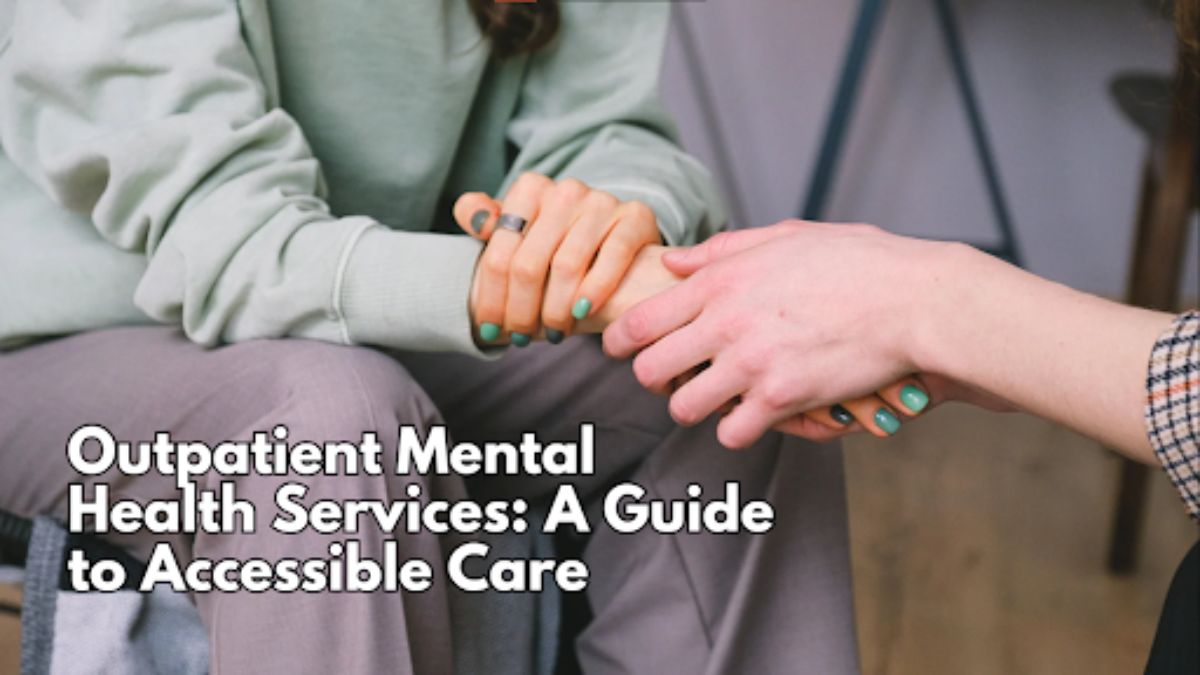
Accessibility in healthcare is a core principle of a successful society, and mental health services are no different. For many people, outpatient mental health services are an ideal way to access care that is flexible and effective without requiring hospitalization. This kind of service enables individuals to continue their daily activities while dealing with their mental health.
Still, getting around the system and finding the right care is a difficult process. This article discusses how Outpatient Mental Health Services make the delivery of care more accessible, and why engaging with trusted Outpatient Mental Health Services in Seattle, WA can be transformative for those looking to seek care.
Mental Health Accessibility
The issue of mental health accessibility is one of major concern because demand for these services continues to rise within cities such as Seattle. According to the Seattle Times, nearly 20% of adults in Washington State experience a mental health condition each year, yet only 44% receive treatment. Outpatient services bridge this gap by offering flexible, community-based care that fits into people’s lives. Having trusted Outpatient Mental Health services in Seattle, WA, available will ensure that therapy, counseling, and psychiatric care can be received without any disturbance in work, school, or family obligations.
Outpatient services also eliminate barriers such as cost and transportation. Many facilities offer sliding scale fees, accept insurance, and provide telehealth options, making care more affordable and convenient. A 2022 report by the National Alliance on Mental Illness (NAMI) found that 60% of people who use outpatient services report significant improvements in their mental health. By removing obstacles to care, outpatient services empower individuals to take control of their well-being and lead healthier, more fulfilling lives.
Flexible Scheduling for Busy Lives
The biggest advantage of outpatient mental health services is that they are flexible. Unlike inpatient programs, outpatient care allows individuals to schedule appointments around their work, school, or family responsibilities. This flexibility makes it easier for people to commit to treatment without sacrificing other aspects of their lives.
For instance, a working professional can make appointments in Seattle during lunch breaks or after work. A parent can, too, make an appointment while the children are at school. Such flexibility ensures that all people have the chance to seek care when they want it.
Services Are Comprehensive
Outpatient mental health services vary greatly in what kind of treatments can be availed. There can be one-to-one counseling, group therapy, psychiatric evaluations, medication management, and also specialty programs designed to treat a certain condition like anxiety, depression, or even PTSD.
This all-inclusive approach ensures that people get care suited to their individual needs. For example, a person with trauma may need therapy and support groups, whereas another person might require medication management for bipolar disorder. The diverse services provided make outpatient care an adaptable solution for mental health problems.
Cost-Effective Care
Outpatient services are generally more affordable than inpatient programs, and therefore more accessible to a broader population. Many facilities offer sliding scale fees based on income, accept insurance, and provide payment plans to reduce financial stress.
This cost-effectiveness is especially essential in cities such as Seattle where the cost of living can create a barrier for care. As outpatient services are made more accessible and affordable, financial constraints will not stand between people and help.
Community-Based Support
Outpatient mental health services are provided in a community setting, for example, clinics, counseling centers, or even schools. The community-based approach promotes a feeling of belonging and reduces the stigma associated with seeking mental health care.
Being in a community allows the client access to peer support. In this case, one may seek therapy with peers to share their experiences and learn from other clients with similar situations. Such feelings of belonging may heal and empower.
Telehealth Options
Telehealth has changed the face of outpatient mental health care, and it is now more accessible than ever. Providers now offer virtual therapy sessions to allow individuals to receive care from the comfort of their homes.
Telehealth is especially beneficial for people with mobility issues, those living in rural areas, or individuals with busy schedules. In Seattle, where traffic and long commutes can be a barrier, telehealth ensures that distance doesn’t prevent people from accessing quality care.
Continuity of Care
Outpatient services provide continuity of care, allowing individuals to build long-term relationships with their providers. This ongoing support is crucial for managing chronic conditions or navigating life’s challenges.
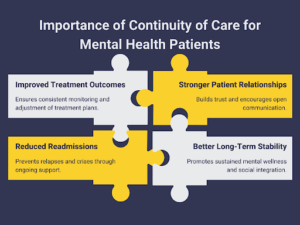
For example, someone with depression might see the same therapist for years, creating a safe space to work through issues as they arise. This consistency fosters trust and ensures that care is tailored to the individual’s evolving needs.
Prevention and Early Intervention
Outpatient mental health services stress prevention and early intervention, which may help lessen the severity of mental health issues over time. It helps to prevent crises by solving problems at an early stage, thereby enhancing the quality of life.
For example, a teenager with mild anxiety could seek therapy to learn techniques to manage their condition before the disorders get worse. This action not only saves an individual but also brings relief to the healthcare system.
Holistic Well-Being Approach
Many outpatient approaches are holistic. It addresses the mind, body, and spirit. This could include adding mindfulness practices, yoga, or nutrition counseling to a treatment plan.
A holistic approach would ensure that people get all-around care that enhances their well-being. For instance, a traumatized person would require therapy, meditation, and physical activity for healing on various levels.
Family Involvement
Outpatient treatment services usually involve family members in the treatment process because mental health is a family affair. The family therapy sessions help improve communication, resolve conflicts, and strengthen relationships.
This involvement is significantly crucial for children and adolescents, whose mental health status depends considerably on their family environment. By involving the family in treatment, outpatient care provides a supportive network that enhances recovery.
Empowering Through Education
Outpatient programs commonly comprise an educational feature that enables patients to gain self-control over their mental health. This might be teaching them coping strategies, methods of managing stress, or even the science behind their mental illness.
Education decreases stigma and allows patients to be more informed decision-makers about their care. A person with bipolar disorder may learn to recognize early warning signs of a mood episode and take steps to prevent it.
Frequently Asked Questions (FAQs)
- Am I a good candidate for outpatient mental health services?
Outpatient care is ideal if you need ongoing support but don’t require 24/7 supervision. A mental health professional can help you determine the best level of care.
- Can I use insurance for outpatient mental health services?
Yes, most outpatient providers accept insurance. Check with your provider to confirm coverage and any out-of-pocket costs.
- What types of therapy are available in outpatient programs?
Some of the options include cognitive-behavioral therapy (CBT), dialectical behavior therapy (DBT), group therapy, and many others. Your provider will determine the best approach for your needs.
Conclusion
Outpatient mental health services are flexible, accessible, and effective in dealing with mental health challenges. Availing the help of a trustworthy Outpatient Mental Health service in Seattle, WA, can help get the care needed without disrupting one’s life. Whether you’re seeking therapy, counseling, or psychiatric care, outpatient services provide the tools and support to help you thrive. Don’t let barriers stand in your way take the first step toward better mental health today.
HEALTH
Online Energy Healing May Help Ease Anxiety: How Two Angels Healing Supports Pennsylvania Clients in 2026


Can Online Energy Healing Help With Anxiety Relief in Pennsylvania?
People living with racing thoughts, constant worry, emotional fatigue, or difficulty unwinding may be looking for support that feels private and accessible. For Pennsylvania residents who prefer to start at home, online energy healing for anxiety relief PA can offer a gentle, personalized wellness option centered on relaxation, reflection, and emotional balance.
Two Angels Healing provides remote services designed to support the connection between mind, body, spirit, relationships, and everyday life. Its approach may include energy healing, intuitive counseling, meditation, coaching, guided imagery, and wellness planning. These services can complement a person’s existing self-care practices or clinical treatment plan, but they should not replace medical or mental health care when needed.
Why Are Pennsylvania Residents Looking for Remote Anxiety Support?
Online support can make it easier to seek help without coordinating travel, sitting in a waiting room, or reshaping an already demanding schedule. Participating from a familiar environment may also help some people feel more comfortable discussing stress, grief, relationship concerns, uncertainty, or personal goals.
Remote sessions with Two Angels Healing are intended to meet clients where they are. Whether someone is managing everyday pressure, navigating a major transition, or seeking greater clarity about their emotions, virtual services offer private, one-to-one support.
Common Reasons Clients Seek Online Support
- Limited time for in-person appointments.
- A preference for confidential support at home.
- Stress involving work, family responsibilities, relationships, or loss.
- A desire to build calming routines through meditation or guided reflection.
- Interest in a holistic approach that considers emotional, spiritual, and practical concerns together.
What Does Two Angels Healing Mean by Energy Healing?
At Two Angels Healing, energy healing is approached as a complementary practice that may encourage calm, self-awareness, emotional processing, and a greater sense of balance. Clients may describe their goals in personal terms, such as feeling more grounded, releasing tension, gaining perspective, or reconnecting with inner steadiness.
It is important to keep expectations realistic. Research on Reiki and similar energy-based practices remains limited and inconsistent, and these practices have not been clearly shown to treat anxiety or other health conditions. The National Center for Complementary and Integrative Health provides a useful overview of the current evidence regarding Reiki and energy-based healing approaches.
Potential Wellness Goals
- Reducing everyday tension and stress.
- Creating a regular pause for rest and reflection.
- Increasing mindfulness and emotional awareness.
- Supporting healthier sleep routines through relaxation practices.
- Building confidence during change, grief, or uncertainty.
- Developing more intentional personal-care habits.
How Does an Online Two Angels Healing Session Work?
Two Angels Healing tailors support the individual rather than relying on a single fixed program. A session may begin with a conversation about what is most challenging at the moment, what the client hopes to gain, and which type of support feels appropriate.
- Initial consultation: The client shares concerns, goals, and preferences for remote support.
- Personalized direction: The practitioner may recommend energy healing, coaching, meditation, guided imagery, or a retreat-focused format.
- Private remote session: The client joins by phone or online from a quiet, comfortable setting.
- Reflection and practical tools: Sessions may include discussion, relaxation exercises, wellness ideas, or planning for the days ahead.
- Follow-up support: The client can review progress and decide whether continued sessions would be helpful.
Which Services May Support Anxiety-Related Goals?
- Remote individual coaching: A fit for clients seeking private guidance around stress, emotional challenges, clarity, and personal growth.
- Online energy healing: A complementary option for people interested in relaxation, self-awareness, and emotional balance.
- Online meditation support: Useful for people who want to practice focus, mindfulness, calming techniques, or more consistent sleep routines.
- Remote individual retreats: Designed for people who want concentrated time for reflection, renewal, and life-transition support.
- Relationship coaching: Appropriate for couples or families working to strengthen communication, connection, trust, and shared goals.
How Is Two Angels Healing Different From a Standard Online Appointment?
Two Angels Healing uses an integrative model that combines the experience of Beatrice Fulciniti, M.Ed., Ph.D., and Deborah White, R.N., M.S. Sessions may address multiple areas of life, including emotional well-being, relationships, spiritual questions, daily stressors, and personal direction.
Clients may value the ability to choose among several formats rather than being limited to a single method. The practice offers private support for individuals, couples, and families, with remote access for those who prefer the flexibility of meeting from home. According to the company, its practitioners bring more than 25 years of experience facilitating transformational healing services.
When Should Someone Seek Licensed Mental Health Care Instead?
Holistic support is not the right level of care for every situation. Anxiety that is intense, ongoing, difficult to control, or disruptive to work, school, relationships, sleep, or daily responsibilities should be discussed with a licensed therapist, psychologist, psychiatrist, physician, or other qualified provider. Psychotherapy and medication are commonly used treatments for anxiety, and many people benefit from a combination of both.
If someone is in immediate danger, is considering self-harm, or needs urgent emotional support, call or text 988 or visit the 988 Suicide & Crisis Lifeline. Two Angels Healing can be considered a complementary source of support, not emergency or crisis care.
How Can Pennsylvania Clients Begin With Two Angels Healing?
- Identify the main goal, such as stress relief, clearer communication, emotional balance, or personal growth.
- Explore the available remote options, including coaching, meditation, energy healing, and retreat support.
- Schedule a consultation to discuss which format best fits current needs.
- Prepare a quiet, private location for the session.
- Continue any appropriate medical or licensed mental health care alongside complementary wellness services.
Conclusion
For Pennsylvania residents seeking a private, flexible path to greater calm, Two Angels Healing offers remote support that emphasizes reflection, relaxation, self-awareness, and personal growth. Online energy healing may be a meaningful complement to healthy routines and evidence-based care, especially when approached with clear expectations and used as part of a broader plan for well-being.

Patients now expect dental care to help them speak, eat, and smile without hesitation, and technology has made those goals more realistic than ever. Whether someone is managing long-standing tooth loss, correcting alignment, or simply maintaining healthy gums, today’s clinics provide a level of precision and comfort that was not available a generation ago. This article looks at seven clear ways modern dentistry supports self-assurance, based on the working experience of a cosmetic dentist in London and on the treatments people choose most often when they want their appearance to match how they feel.
Dr. Sahil Patel, a cosmetic dentist in London at Marylebone Smile Clinic explains that many people underestimate how much oral health affects social confidence and professional presence. He notes that when patients ask about solutions such as crowns, veneers, or a dental implant London service, they are often motivated by practical concerns about speaking clearly and smiling freely, not vanity. Dr. Patel advises anyone unsure about their options to review evidence-based explanations and real case studies, because reliable information helps patients make decisions that suit their health and budget rather than relying on guesswork.
Restoring a Natural Smile After Tooth Loss
Tooth loss has a direct effect on confidence because it changes the way people look and function in everyday situations. Missing teeth can make eating awkward, alter speech, and lead people to avoid smiling in photographs or meetings. Modern dentistry addresses this problem in a far more predictable way than removable dentures ever could. Implant technology allows a single lost tooth to be replaced with a stable artificial root and crown that closely mimics the original. The result is a restoration that feels secure when chewing and looks natural in conversation.
Beyond the physical benefit, there is a strong psychological effect. People who have had gaps for years often report a shift in how they carry themselves once those spaces are filled. They are less likely to cover their mouths when they laugh and more willing to engage with others. The success of implants and fixed bridges also prevents the bone loss that occurs after extractions, helping to maintain facial structure over time. In this way, modern dentistry protects both present appearance and future comfort.
London clinics now use digital planning, three-dimensional imaging, and guided surgery to make these procedures more precise and less invasive. That accuracy means fewer complications and quicker recovery, which in turn reduces the anxiety people feel about dental visits. When a patient knows that a replacement tooth will be fitted correctly and will last for years, the decision to proceed becomes easier. Confidence grows not only from the end result but also from trusting the process that delivers it.
Straightening Teeth Without Social Disruption
Crowded or uneven teeth can affect how people speak and how they are perceived, particularly in professional settings. Traditional metal braces were effective but often made adults feel self-conscious during treatment. Modern orthodontics has changed that balance. Clear aligners and discreet fixed braces allow teeth to be moved gradually without drawing attention, making it possible to improve alignment while continuing daily life without interruption.
The confidence benefit here comes in two stages. First, people feel less embarrassed while undergoing treatment because the appliances are subtle. Second, the final result brings a smile that is easier to maintain and present. Straighter teeth are simpler to clean, which lowers the risk of decay and gum disease, further supporting long-term oral health. Patients who complete orthodontic treatment often say they are more willing to speak up in meetings or meet new people because they are no longer worried about how their teeth look.
Technology also plays a role in predictability. Digital scans and treatment simulations show patients what their teeth are likely to look like at each stage. This transparency helps them commit to the process, knowing there is a clear plan. When people understand how their smile will change over time, they feel more in control, which is a key part of building confidence through healthcare.
Whitening and Surface Improvements That Look Credible
Tooth colour and surface texture have a noticeable effect on how healthy a smile appears. Stains from tea, coffee, wine, and smoking can make teeth look older and less well cared for, even when they are structurally sound. Modern whitening systems use controlled concentrations of bleaching agents and custom-made trays to lighten enamel evenly without causing undue sensitivity. The outcome is not an artificial brightness but a natural, clean appearance that reflects light better and draws attention to the smile.
Alongside whitening, treatments such as enamel recontouring, bonding, and veneers address chips, cracks, and minor shape issues. These procedures are designed to be conservative, removing as little natural tooth structure as possible while still achieving a clear visual improvement. When done well, they do not announce themselves as cosmetic work. Instead, they restore the way teeth would look if they had not been worn or damaged over time.
The impact on confidence is often immediate. People who were hesitant to smile because of visible imperfections find themselves more relaxed in social situations. In a city like London, where first impressions matter in both personal and professional contexts, having teeth that look clean and well aligned can change how someone feels when meeting new clients or friends. Modern dentistry provides these refinements in a way that respects the individuality of each face, avoiding the uniform look that was once common in cosmetic work.
Managing Gum Health for a Balanced Appearance
Healthy gums are the frame around the teeth, and their condition affects how a smile is perceived. Receding or inflamed gums can make even well-aligned teeth look uneven or neglected. Modern periodontal care focuses on early detection and targeted treatment, using tools such as laser therapy, improved scaling techniques, and regenerative materials to restore gum tissue where possible. These approaches are less invasive and more comfortable than older surgical methods.
When gum health improves, so does the overall balance of the smile. Teeth appear longer and more even, and the line where tooth meets gum becomes smoother. This has a subtle but powerful effect on appearance. People often notice that their smile looks more orderly without being able to pinpoint why. That sense of harmony contributes to greater ease when smiling or speaking.
Gum health is also closely linked to general wellbeing. There is strong evidence connecting periodontal disease with conditions such as diabetes and heart disease. By addressing gum problems early, modern dentistry supports both oral and systemic health. Patients who feel that their dental care is contributing to their wider wellbeing tend to have more trust in their treatment plan, which reinforces confidence in their choice of clinic and in their own ability to look after themselves.
Digital Dentistry and Predictable Outcomes
One of the most significant changes in dental care has been the adoption of digital technology. Intraoral scanners, computer-aided design, and three-dimensional printing allow dentists to create restorations that fit more accurately and are produced more quickly than traditional methods. For patients, this means fewer appointments, less discomfort, and a lower risk of adjustments after a crown or bridge is fitted.
Predictability is a major source of confidence. When a patient can see a digital mock-up of their new smile before any work begins, they know what to expect. This reduces the fear of unwanted surprises and helps them make informed decisions about their treatment. Digital records also make it easier to track changes over time, so both dentist and patient can see how well a restoration or orthodontic plan is performing.
In London’s busy environment, efficiency matters. People want treatments that fit around work and family commitments. Digital workflows shorten chair time and speed up laboratory processes, making it possible to complete complex procedures with minimal disruption. When dental care aligns with everyday life rather than interrupting it, patients are more likely to follow through with treatment, which in turn leads to better outcomes and greater satisfaction with their smile.
Ongoing Care That Supports Long-Term Self-Assurance
Confidence from dentistry does not come only from one-off procedures; it also depends on consistent maintenance. Modern preventive care uses tailored hygiene plans, regular monitoring, and patient education to keep problems from developing in the first place. High-quality cleanings, fluoride treatments, and advice on diet and home care all play a role in preserving the results of cosmetic and restorative work.
Patients who attend regular reviews are more likely to catch issues such as small cavities or gum inflammation before they become serious. This avoids the need for more invasive treatment later and helps maintain a stable, attractive smile. Knowing that their oral health is being watched over gives people peace of mind, which translates into confidence when they speak, eat, and socialise.
London clinics increasingly use reminder systems and digital records to make follow-up straightforward. This structured approach turns dental care into an ongoing partnership rather than a series of emergency visits. Over time, that relationship builds trust and makes patients more comfortable asking questions or raising concerns. When people feel supported in managing their oral health, they are more likely to enjoy the full benefits of modern dentistry, including the steady confidence that comes from a smile they can rely on.
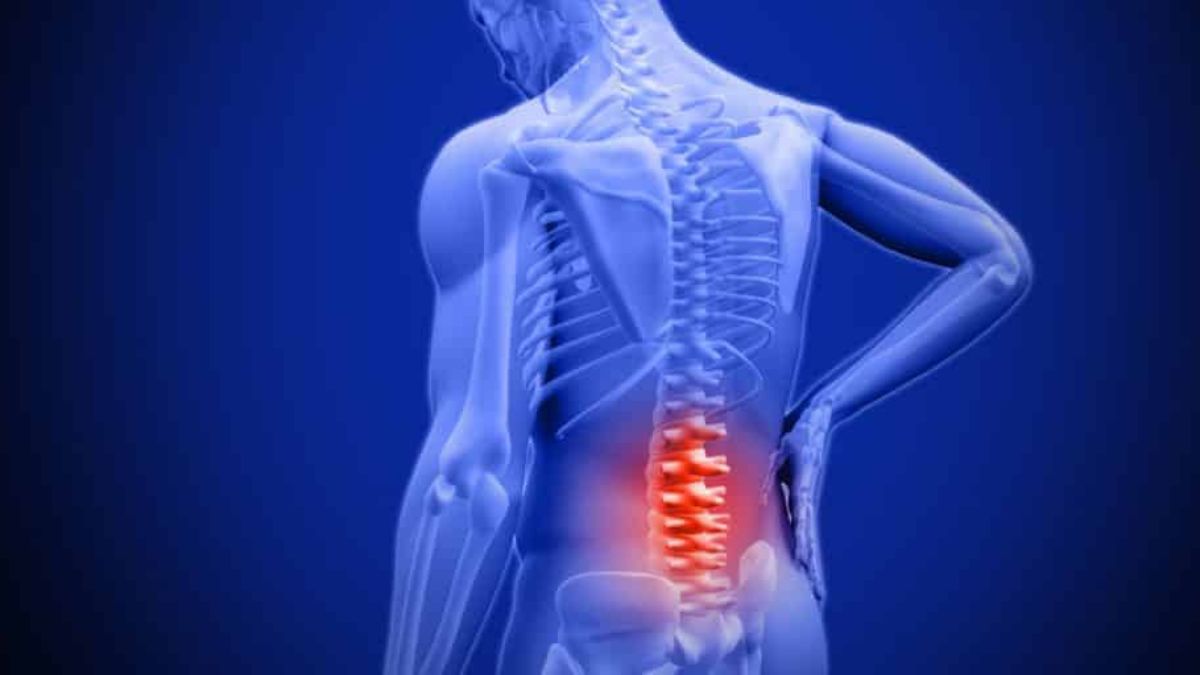
Facing a spinal injury is challenging. It impacts not only your health but also your financial stability. In Houston, spinal injuries can lead to significant expenses. Costs may include hospital bills, rehabilitation, and potential long-term care. This burden can overwhelm anyone. You might also face lost wages if you’re unable to work. Navigating insurance claims adds another layer of stress. It’s crucial to understand your options for financial recovery. Consulting a Houston personal injury attorney with proven results can help. They guide you through the legal process, ensuring you receive fair compensation. This aid lessens the financial strain, allowing you to focus on healing. Taking action promptly is essential. Delays in seeking legal assistance might limit your options. An attorney can provide clarity and support, making a tough situation more manageable. Understanding these financial aspects empowers you to make informed decisions during recovery.
Understanding Medical Costs
After a spinal injury, medical expenses can accumulate quickly. Initial hospital stays often result in substantial bills. You might need surgeries or specialized treatments. The U.S. Department of Health & Human Services provides guidelines on managing health expenses. Rehabilitation is also crucial. It helps rebuild strength and regain mobility. Physical therapy sessions can be frequent and ongoing, adding to costs. Equipment such as wheelchairs or braces might also be necessary. Each of these elements contributes to the overall financial impact.
Indirect Financial Impacts
Aside from direct medical expenses, spinal injuries can affect your income. If you cannot return to work immediately, lost wages become a concern. This income gap can strain daily living expenses. Some individuals may qualify for disability benefits. However, securing these benefits takes time and paperwork. Understanding your employment rights is vital. Reviewing options with human resources or a legal advisor helps ensure you receive what you’re entitled to.
Insurance and Legal Support
Insurance claims can be complex. Policies vary widely in coverage and limitations. It’s important to review your policy details. Identifying what’s covered before an injury occurs is beneficial. After an injury, working with your insurer might be necessary. In some cases, disputes arise. Legal assistance becomes essential here. Attorneys can negotiate with insurance companies for better settlements. They also help ensure all necessary documentation is accurate and complete.
Estimated Costs Table
| Expense Type | Estimated Cost |
| Initial Hospitalization | $20,000 – $50,000 |
| Rehabilitation | $5,000 – $20,000 |
| Medical Equipment | $2,000 – $10,000 |
| Lost Wages (per month) | $3,000 – $6,000 |
| Legal Fees | $5,000 – $15,000 |
Community Resources and Support
Houston offers various resources to assist spinal injury victims. Support groups provide emotional backing and practical advice. Community programs may offer financial aid or reduced-cost services. It’s worthwhile to explore these options. Engaging with others in similar situations can offer comfort and insights.
Long-Term Considerations
Living with a spinal injury involves ongoing adjustments. Future medical needs could include additional surgeries or therapies. Planning for these future expenses is wise. Establishing a clear financial plan can help. Consulting financial advisors or planners can also provide direction. Addressing these challenges proactively reduces stress over time.
Conclusion
Spinal injuries impose serious costs, both medically and financially. Understanding these elements and seeking professional advice can ease the burden. The National Institutes of Health offers resources and guidance. Don’t hesitate to seek help from legal professionals and community resources. Acting swiftly allows you to receive proper support and compensation. Ultimately, awareness and action pave the way for recovery and stability.
-

 FASHION2 years ago
Elegant Winter Party Style: Trendy Long-Sleeve Dresses and Essential Hair Care Tips
-

 HOME2 years ago
Weather Related Event Closings Explained
-

 FASHION2 years ago
Top Kids Clothing Trends for 2025 – What’s In Style This Year?
-

 HOME2 years ago
Exploring the World of TG Tube: A Comprehensive Guide
-

 TRAVEL2 years ago
Travel Tips for Visiting Korpenpelloz: What You Need to Know
-

 EDUCATION2 years ago
Can You Wear a Different Coloured Contact Lens in Each Eye? The Science Behind Mismatched Vision
-

 NEWS2 years ago
Brad Dummer Obituary Pecatonica IL : Honoring a Beloved Community Member in Pecatonica IL
-

 AUTOMOTIVE2 years ago
Mitsubishi Pajero 3.0 V6 – Specs, Performance & Guide