
MENTAL HEALTH & FITNESS
Pendulum Squat: Benefits, Form, and Tips for Maximum Gains

In the realm of strength training, where every movement speaks of power and precision, the pendulum squat emerges as a game-changer. If you’ve been hitting a plateau with traditional squats or are eager to diversify your leg-day routine, this dynamic exercise might just be your golden ticket to unparalleled gains. With its unique mechanics and myriad benefits, the pendulum squat is increasingly capturing the attention of fitness enthusiasts and athletes alike.
Today, we’re going to explore the multifaceted world of pendulum squats. We’ll unravel why this squat is rapidly becoming a staple in modern fitness regimens. From understanding its benefits to mastering the perfect form, and incorporating it into your workout routine, this blog post will arm you with everything you need to maximize your leg day results. Let’s take a deep dive into the power of pendulum squat exercises and see how they can supercharge your fitness goals.
Why the Pendulum Squat is a Must-Try Exercise
In the vast universe of gym equipment, the pendulum squat machine is a standout. Unlike traditional squats, which require you to balance under a barbell, the pendulum squat provides a more guided movement. This feature allows lifters to focus on muscle engagement rather than stability, leading to enhanced workout efficiency. For those looking to intensify their leg workouts, this machine offers a fresh challenge that reaps significant rewards in muscle development and strength.
The pendulum squat machine is designed to accommodate a wide range of motion. This flexibility ensures that your quads, hamstrings, and glutes are engaged in every part of the lift. Consequently, you activate more muscle fibers, which can lead to improved strength and size over time. Additionally, the design of the machine supports your back and reduces stress on your knees, making it a great option for those with joint concerns or injuries.
Incorporating the pendulum squat into your routine can break stagnation and breathe new life into your leg days. By targeting muscles in a slightly different way than regular squats, it challenges your body afresh, promoting growth and adaptation. If you’re in search of an exercise that combines safety, efficiency, and effectiveness, the pendulum squat is a worthy addition to your regimen.
Understanding the Mechanics of the Pendulum Squat
To appreciate the benefits of the pendulum squat fully, it’s essential to understand its mechanics. Unlike free-weight squats, the pendulum squat machine guides you through a set path. This setup allows you to maintain proper form and reduces the risk of injury. The machine’s design ensures that your back remains supported throughout the movement, which is particularly beneficial if you’re recovering from back issues or looking to prevent them.
The pendulum squat machine’s arc movement mimics the natural biomechanical motion of squatting. This enables lifters to achieve deeper squats, which engage the lower body muscles more thoroughly. The fixed path of motion encourages correct posture while executing the squat, ensuring that your knees track over your toes and your back stays neutral. Such precision in form is crucial for maximizing muscle engagement and minimizing injury.
By understanding the mechanics of the pendulum squat, you can optimize your workouts. This exercise provides a distinct angle of resistance that challenges your muscles differently than other squatting variations. The machine’s pendulum-like motion allows for consistent tension throughout the movement, enhancing muscle activation. This unique feature sets the pendulum squat apart, offering an innovative approach to traditional squatting techniques.
Benefits of Incorporating Pendulum Squats
The pendulum squat is not merely a trendy piece of equipment; it delivers tangible benefits that can elevate your workout results. One of the primary advantages is its ability to target the quadriceps effectively. Due to the machine’s design, the quads bear a significant portion of the load throughout the squat, leading to hypertrophy and strength gains over time.
Another notable benefit is the reduced stress on the spine compared to traditional squats. By providing back support, the pendulum squat minimizes the compression forces exerted on the spine, which is especially advantageous for individuals with back concerns. This built-in safety feature allows for higher-intensity workouts without compromising your body’s integrity.
Furthermore, the pendulum squat enhances muscle coordination and balance. The guided path ensures that you engage your core and stabilizing muscles throughout the movement. Over time, this can improve your overall functional fitness, aiding in everyday activities and other athletic endeavors. With its blend of safety, muscle activation, and functional benefits, the pendulum squat is a valuable tool in a well-rounded fitness program.
Mastering the Perfect Form for Pendulum Squats
Perfecting your form is crucial to reaping the full benefits of pendulum squats. Start by positioning yourself comfortably in the machine, ensuring that your feet are shoulder-width apart and your back is firmly supported against the pad. Grip the handles provided for added stability during the movement.
As you begin the squat, focus on keeping your knees aligned with your toes. Lower your body until your thighs are parallel to the ground, or as deep as your flexibility allows. Ensure that your weight is distributed evenly across your feet, avoiding excessive pressure on your toes or heels. This balanced approach maximizes muscle engagement and minimizes the risk of injury.
While returning to the starting position, maintain a controlled movement by pushing through your heels. Keep your core engaged and your back straight throughout the ascent. This consistency in form not only promotes muscle growth but also enhances your overall squatting technique. By practicing proper form diligently, you can make the most out of every pendulum squat session.
Common Mistakes to Avoid in Pendulum Squats
Despite its guided motion, there are common mistakes that can hinder your progress with pendulum squats. One such mistake is setting the machine incorrectly. Before starting, ensure the seat height and foot platform are adjusted to suit your height and comfort. Incorrect settings can lead to improper form and suboptimal muscle engagement.
Another frequent error is failing to maintain a neutral spine. Though the machine offers support, it’s important to consciously engage your core and avoid rounding your back. Over time, poor posture can lead to strain and discomfort, detracting from the exercise’s benefits. Focus on keeping your back straight and core tight to safeguard against injury.
Lastly, be mindful of excessive weight. While it can be tempting to load up the machine to challenge your strength, prioritizing form over weight is crucial. Incremental weight increases, when mastered with proper form, will deliver better results and reduce injury risk. Remember, quality reps trump quantity, and consistent effort will yield impressive gains.
Tips for Maximizing Gains with Pendulum Squats
To get the most out of your pendulum squat workouts, consider incorporating progressive overload into your routine. Gradually increase the weight or resistance over time to continually challenge your muscles. This principle encourages adaptation and growth, helping you build both strength and size.
In addition to adjusting weight, vary your repetition range and tempo. Experiment with higher repetitions for endurance and lower repetitions for strength. Altering the speed of your descent and ascent can also impact muscle engagement. Slow, controlled movements increase time under tension, promoting muscle hypertrophy and strength development.
Finally, listen to your body. Rest and recovery are integral parts of any successful workout program. Ensure you’re allowing adequate time for your muscles to recover between sessions. Supplement your pendulum squats with exercises that target other muscle groups for a balanced approach. By following these tips, you’ll maximize your gains and enjoy a more rewarding fitness experience.
Integrating Pendulum Squats into Your Workout Routine
The versatility of the pendulum squat makes it an excellent addition to various workout routines. For those focusing on lower body strength, incorporate pendulum squats alongside traditional squats or lunges. This combination can provide a well-rounded workout that targets multiple muscle groups, enhancing overall leg strength and stability.
For athletes seeking to improve performance, pendulum squats can be included in a dynamic leg day circuit. Pair them with exercises like deadlifts and calf raises to create a comprehensive routine that supports agility and explosiveness. By varying your workouts, you can improve muscle coordination and prevent adaptation, leading to continued progress over time.
If you’re new to pendulum squats, start with two to three sets of 8 to 12 repetitions. As you become more comfortable with the movement, gradually increase the number of sets or repetitions to challenge yourself further. Consistency in your routine, coupled with incremental adjustments, will maximize your results and keep your workouts engaging.
Debunking Myths About Pendulum Squats
Despite their effectiveness, pendulum squats are sometimes misunderstood. A common misconception is that they aren’t suitable for beginners. However, the machine’s guided motion and support make them accessible to lifters of all experience levels. By adjusting the weight and starting slowly, even newcomers can benefit from this exercise.
Another myth is that pendulum squats are only for building leg muscles. While they do target the lower body, they also engage the core and stabilizing muscles, supporting overall functional fitness. This multifaceted engagement makes pendulum squats valuable for athletes and fitness enthusiasts with diverse goals.
Lastly, some believe that pendulum squats don’t offer the same benefits as free-weight squats. While each exercise has its merits, pendulum squats provide unique advantages, such as reduced injury risk and enhanced focus on muscle activation. By incorporating both types of squats into your routine, you can enjoy a balanced and effective workout.
Comparing Pendulum Squats to Other Squat Variations
In the world of squats, there are numerous variations, each offering distinct benefits. Compared to traditional barbell squats, pendulum squats provide enhanced back support and a guided range of motion. This offers a safer alternative for those with previous injuries or limitations.
When comparing pendulum squats to hack squats, the key difference lies in the muscle engagement. While both target the quads, the pendulum squat’s arc motion allows for deeper squats, promoting greater glute and hamstring activation. This makes them a more comprehensive lower body exercise.
Finally, pendulum squats differ from Smith machine squats in terms of movement freedom. The pendulum squat’s natural arc better mimics real-world squatting motions, while the Smith machine’s linear path can feel restrictive. By understanding the nuances of each variation, you can choose the right exercise for your specific goals and preferences.
The Future of Pendulum Squats in Fitness
The growing popularity of pendulum squats reflects a broader trend in fitness towards innovative and effective training methods. With advancements in gym equipment design, lifters can expect even more personalized and efficient workout options in the future. The pendulum squat machine is a testament to this evolution, offering a safe and impactful way to enhance lower body strength.
Fitness enthusiasts and athletes should anticipate an increased emphasis on exercises that prioritize form and function. The pendulum squat’s ability to facilitate proper technique makes it a valuable tool for trainers and gyms aiming to promote safe and effective workouts. Its integration into various fitness programs signals a shift towards smarter training approaches that cater to individual needs.
Ultimately, the pendulum squat’s future in fitness is bright. Its unique combination of safety, effectiveness, and versatility positions it as a staple in modern workout routines. By staying informed about emerging trends and technologies, you can continue to optimize your training regimen and achieve your fitness goals.
Conclusion Elevate Your Fitness Journey with Pendulum Squats
In the quest for strength and fitness, the pendulum squat stands out as a powerful ally. Its unique design and mechanics offer a fresh perspective on traditional squatting techniques, delivering enhanced muscle activation and safety. By mastering the pendulum squat, you can unlock new levels of strength, coordination, and functional fitness.
Whether you’re a seasoned athlete or a newcomer to the gym, the pendulum squat provides benefits that cater to a wide range of goals and abilities. By integrating this exercise into your routine, you can break through plateaus, improve your technique, and enjoy a more rewarding workout experience.
Ready to take your fitness to the next level? Explore the possibilities that pendulum squats offer and watch as your strength, endurance, and confidence soar. With dedication and consistency, your fitness aspirations are well within reach.
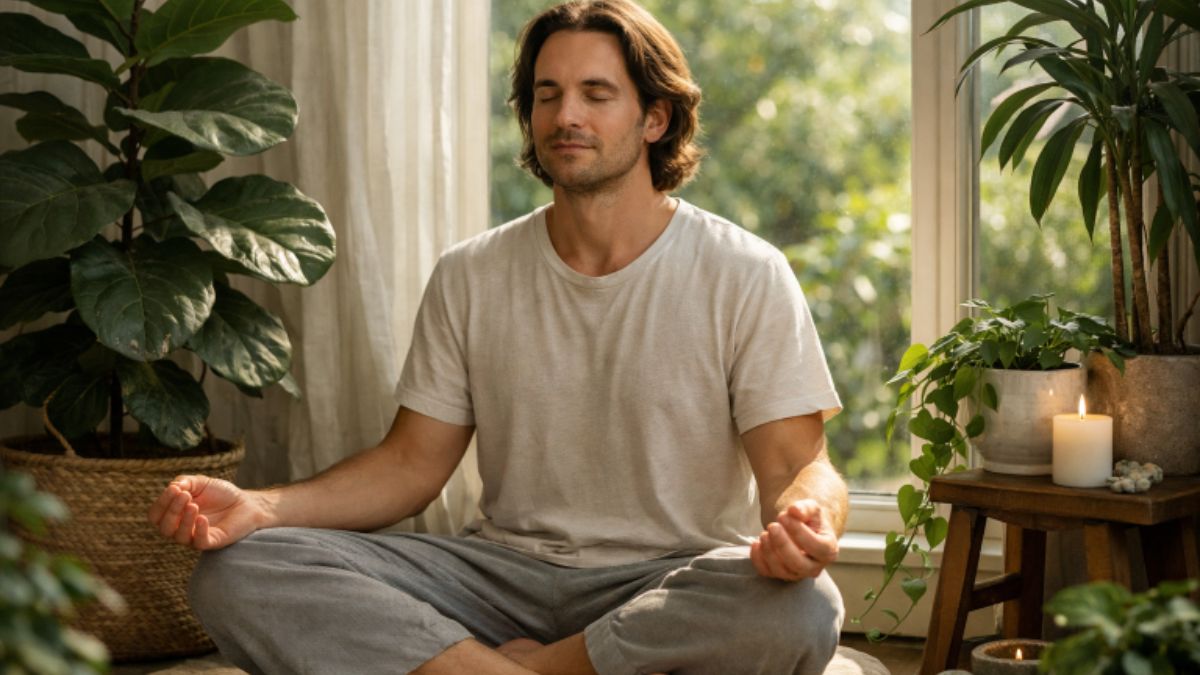
Mindfulness, defined as the practice of being fully present and engaged in the moment, has become a cornerstone of modern approaches to emotional wellness. As individuals increasingly seek effective ways to manage stress and strengthen resilience, mindfulness techniques have gained widespread recognition for their accessibility and lasting benefits. Whether practiced independently or as part of professional mental health treatment portland oregon, mindfulness is often integrated into therapeutic care plans to help individuals improve self-awareness, regulate emotions, and support long-term mental well-being.
Unlike complex habits that require dramatic life changes, mindfulness can be seamlessly woven into daily routines. By fostering awareness of the present moment and encouraging a nonjudgmental attitude, people discover a pathway to reduced anxiety, improved sleep, and better focus. Whether practiced through intentional meditation or short pauses during daily activities, mindfulness can transform the way we handle challenges, build relationships, and maintain overall mental well-being.
For those seeking to adapt mindfulness in their lives, its beauty lies not just in formal sessions or meditation classes, but also in small shifts of attention throughout the day. The practice empowers people to regain control over their mental health, shifting away from cycles of rumination or worry and anchoring themselves in the present. In this article, the benefits, practical exercises, and direct applications of mindfulness are explored in detail.
Scientific studies, including research chronicled by Harvard Health, reveal that mindfulness is linked to significant improvements in psychological health, making it an essential addition to mental health toolkits globally.
Understanding Mindfulness
Mindfulness is the conscious act of attending to thoughts, feelings, bodily sensations, and surroundings, all while avoiding judgment or interpretation. By cultivating present-moment awareness, individuals develop greater clarity and emotional stability. This practice, rooted in ancient traditions but now supported by modern psychology, invites people to observe their experiences rather than get swept up in them.
Benefits of Mindfulness on Mental Health
The consistent practice of mindfulness offers substantial mental health benefits. It does not simply mask symptoms but directly addresses emotional responses and stress triggers. Research shows that practicing mindfulness reduces the intensity and frequency of stress, helps manage symptoms of anxiety and depression, and strengthens emotional regulation. These benefits have been highlighted in peer-reviewed studies from sources like the American Psychological Association, which note improved cognitive flexibility and overall life satisfaction as tangible results for regular practitioners.
- Reduced Stress: Mindfulness encourages relaxation and diminishes the body’s stress response, helping to manage everyday pressures.
- Decreased Anxiety and Depression: By observing thoughts and feelings without judgment, individuals are better equipped to manage and relieve mental health symptoms.
- Better Emotional Regulation: People practicing mindfulness can pause before reacting, enabling thoughtful responses rather than impulsive actions to strong emotions.
Simple Mindfulness Exercises to Try
Mindfulness does not require special equipment or long, uninterrupted periods of time. Three foundational exercises can be practiced by anyone and have been shown to reduce stress and improve overall well-being:
- Mindful Breathing: Focus on the breath, noticing the sensation of air moving in and out of the lungs. Return attention to the breath each time the mind wanders.
- Body Scan: Gently bring attention to each part of the body, from head to toes, acknowledging sensations without attempting to alter or judge them.
- Mindful Eating: Eat slowly, savoring each bite and becoming aware of flavors, textures, and bodily sensations. This promotes greater enjoyment and healthier eating habits.
Incorporating Mindfulness into Daily Life
Mindfulness can be applied to almost any activity, turning even daily chores into moments of presence. For example, while washing dishes, pay attention to the temperature of the water and the texture of the soap, focusing on each sensation. During a walk or commute, notice your surroundings, the rhythm of your breath, and your posture. By embedding these mindful pauses, individuals can break the cycle of automatic thoughts and become more engaged in their lives.
Mindfulness and Sleep Quality
Many people struggle with sleep due to racing thoughts or unresolved tension at bedtime. Mindfulness practices, particularly mindful breathing and body scans, help calm the mind and prepare the body for restful sleep. Setting aside even a few minutes before bed to notice thoughts and sensations can signal to the body that it is time to wind down, promote relaxation, and reduce insomnia symptoms.
Mindfulness in the Workplace
In professional environments, mindfulness has been linked to increased productivity, better teamwork, and less burnout. Employers can foster a culture of mindfulness by encouraging brief moments of silence before meetings or providing employees with dedicated breaks to regroup mentally. Individual workers benefit by practicing mindful listening, being present in conversations, and pausing to refocus during stressful tasks.
Resources for Mindfulness Practice
Countless resources are available for those seeking to deepen their mindfulness practice. The Mayo Clinic offers guided exercises for beginners. Organizations like the Mental Health Foundation provide detailed advice on integrating mindfulness into daily life.
With mindful practices, individuals can transform their experiences of stress and challenge, leading to lasting improvements in mental health and overall well-being.


Are you ready to supercharge your day? Imagine having the energy and focus to power through those long hours without feeling drained. Say hello to Nuoilo 12H, a game-changer in the world of performance enhancement. This innovative solution promises not just an energy boost but sustained stamina for up to twelve hours. Whether you’re tackling a demanding work project, hitting the gym, or simply trying to keep up with life’s hustle and bustle, Nuoilo 12H could be your secret weapon. Let’s dive into what makes this product so unique and discover how it can unlock your full potential!
What is Nuoilo 12H?
Nuoilo 12H is a cutting-edge performance supplement designed to elevate your mental and physical endurance. Formulated with a blend of powerful ingredients, it aims to provide sustained energy without the typical crash associated with many energy products.
This innovative formula caters to busy professionals, athletes, and anyone looking for that extra boost throughout their day. It’s not just about quick fixes; Nuoilo 12H focuses on enhancing overall productivity.
The product comes in various forms, making it easy to incorporate into your daily routine. Whether you prefer capsules or powders, there’s an option tailored for you.
With its unique approach to long-lasting performance, Nuoilo 12H has quickly gained attention as a go-to solution for those seeking efficiency and focus in every task they undertake.
The Science behind 12-Hour Performance
The concept of 12-hour performance is grounded in the body’s natural rhythms. These rhythms, known as circadian cycles, influence energy levels and cognitive function throughout the day.
Nuoilo 12H leverages this science by providing a blend of ingredients designed to enhance focus and endurance. Key components target neurotransmitters that play a role in mood regulation and mental clarity.
Research shows that sustained energy sources can lead to improved productivity. Nuoilo 12H aims to deliver just that—consistent support without the crash typical of quick fixes like caffeine.
Additionally, hydration plays a crucial role in maintaining peak performance. Nuoilo’s formulation ensures you stay energized while promoting optimal fluid balance.
Understanding these elements helps users tap into their potential effectively. It’s about more than just short bursts; it’s about sustaining high performance over an extended period.
Benefits of Nuoilo 12H
Nuoilo 12H offers a range of impressive benefits that cater to those seeking sustained energy and focus. Users often report enhanced cognitive clarity, allowing for improved concentration during long tasks or study sessions.
The formula is designed to support endurance, making it easier to power through demanding workouts or busy workdays. This sustained performance can lead to higher productivity levels without the dreaded crash associated with other energy boosters.
Many find that Nuoilo 12H also helps manage stress and anxiety. By promoting a calm state of mind while still providing vitality, it strikes the perfect balance between relaxation and alertness.
Additionally, its convenient form means you can incorporate it seamlessly into your routine. Whether at home, in the office, or on-the-go, enjoying its benefits has never been simpler.
How to Use Nuoilo 12H for Maximum Results
To get the most out of Nuoilo 12H, start by determining your specific goals. Are you aiming for sustained energy during long work hours or enhanced focus during study sessions? Knowing what you want to achieve will guide your usage.
Timing is crucial. Take Nuoilo 12H about 30 minutes before your peak activity period. This allows the formula to kick in when you need it most.
Stay hydrated. Drinking water throughout the day can amplify its effects and keep you feeling refreshed.
Monitor how it affects you. Everyone’s body reacts differently, so pay attention to your personal response and adjust as needed.
Pair Nuoilo 12H with a balanced diet and regular exercise for optimal results. Combining these elements enhances performance beyond just supplementation alone.
Success Stories and Testimonials
Nuoilo 12H has garnered a community of dedicated users who swear by its impact. Many have shared compelling success stories highlighting how it transformed their daily routines.
One user, an entrepreneur, reported significant improvements in focus during long work hours. She noted that her productivity soared after incorporating Nuoilo 12H into her regimen.
Athletes also rave about the benefits. A marathon runner mentioned enhanced stamina and quicker recovery times since starting with Nuoilo 12H.
Testimonials often emphasize the mental clarity users experience throughout the day. They feel more alert and engaged in both their personal and professional lives.
These real-life accounts provide insight into how diverse individuals harness the power of Nuoilo12H for various goals, proving its versatility and effectiveness across different lifestyles.
Alternatives to Nuoilo 12H
When exploring alternatives to Nuoilo 12H, several options stand out. Many people turn to traditional energy drinks, which offer a quick boost but may lead to crashes later on.
Herbal supplements are gaining traction too. Ingredients like ginseng and rhodiola rosea promise endurance and focus without the jitters. These natural choices can be appealing for those seeking a holistic approach.
Another option is nootropic stacks. These cognitive enhancers often blend various ingredients aimed at improving memory and concentration for extended periods.
For some, regular exercise serves as a powerful performance enhancer. Physical activity releases endorphins that elevate mood and sharpen mental clarity throughout the day.
Dietary adjustments can also play a pivotal role in boosting energy levels naturally. Incorporating nutrient-dense foods helps maintain stability in both body and mind during demanding tasks or long hours of work.
Conclusion: Is Nuoilo 12H the Key to Unlocking Your Full Potential?
Nuoilo 12H has captured the attention of many seeking to enhance their productivity and performance. With its unique formulation designed for sustained energy, it presents an intriguing option for those looking to maximize their potential. The science supporting its effectiveness points towards a carefully balanced blend of ingredients that promote endurance and focus.
Users have reported notable improvements in various areas of life, from work tasks to athletic endeavors. Success stories often highlight increased stamina and enhanced concentration during critical moments. This makes Nuoilo12H appealing not just for athletes but also for professionals facing demanding schedules.
While alternatives are available, none quite match the targeted approach offered by Nuoilo12H. Whether it’s through natural supplements or other energy-boosting methods, users must find what works best for them.
Unlocking your full potential could be within reach with the right tools at your disposal. For many, Nuoilo12H might just be the catalyst needed to elevate performance levels and achieve goals previously thought unattainable.

Have you ever felt your heart racing at the mere thought of booking a trip? You’re not alone. According to the National Institute of Mental Health, over 19.1% of U.S. adults experienced anxiety disorders last year, with travel being a major trigger for many (NIMH, 2023).
In this blog, we’ll explore how GAD treatment can transform your travel experiences. From therapy strategies and pre-trip planning techniques to real-time coping methods, we’ll cover practical ways to navigate stressful travel situations with confidence.
Understanding GAD and Travel Anxiety
When you live with Generalized Anxiety Disorder, travel can feel like climbing a mountain. The unfamiliar environments, unexpected changes, and loss of routine can trigger intense anxiety. For individuals dealing with additional challenges, managing symptoms of anxiety becomes even more important. Depersonalization-Derealization Disorder Treatment helps individuals address the disconnection or detachment they may experience during stressful moments, making travel less overwhelming. With the right treatment and preparation, these challenges can be managed, allowing for a smoother travel experience.
The Impact of Travel on GAD Symptoms
Travel affects everyone with Generalized Anxiety Disorder (GAD) differently, but many experience common triggers. Leaving familiar surroundings can cause a sense of discomfort, while navigating transportation, especially in busy or unfamiliar settings, adds stress.
Dealing with unexpected changes, such as delays or altered plans, can provoke heightened anxiety, as can managing time pressures and tight schedules. Additionally, interacting with unfamiliar people, whether in social or professional settings, may intensify feelings of unease and worry, further complicating the travel experience.
How GAD Treatment Builds Your Travel Toolkit
Effective treatment strategies for Generalized Anxiety Disorder (GAD) can significantly improve your travel experience by preparing you to handle anxiety-provoking situations.
Through techniques like Cognitive Behavioral Therapy (CBT) and mindfulness, individuals with GAD can build a solid travel toolkit that helps them navigate stressful moments with more ease and confidence.
Cognitive Behavioral Therapy for Travel Success
CBT equips individuals with practical tools to manage travel-related anxiety. One key strategy is identifying triggering situations, such as crowded airports or long flights, and preparing to handle them.
By challenging negative thought patterns, individuals can replace anxious thinking with more balanced perspectives. Developing coping statements, like “I’ve handled this before,” and creating step-by-step action plans further empower travelers to approach their journey with a calm mindset.
Mindfulness Techniques for Staying Present
Mindfulness practices are another essential part of the travel toolkit, helping to manage anxiety in real time. Exercises like the 5-4-3-2-1 sensory awareness technique help ground you by focusing on your surroundings, while body scan meditation lets you check in with your physical state, releasing tension.
Present moment focus practices encourage you to stay in the now, rather than ruminating on potential travel worries, fostering a sense of calm and control.
Building a Travel Plan with GAD Treatment in Mind
When planning a trip with Generalized Anxiety Disorder (GAD), thoughtful preparation can make a significant difference in how comfortable and confident you feel throughout the journey. By considering both your emotional and practical needs, you can create a travel plan that supports your well-being and minimizes anxiety triggers. With a few strategies in mind, you can approach your trip with greater peace of mind.
Choosing Anxiety-Friendly Destinations
Selecting the right destination is crucial for a smooth travel experience. Look for places that are quieter and less crowded, as this can significantly reduce anxiety. Researching areas with good medical facilities nearby is essential for reassurance in case of an emergency.
It’s also helpful to consider time zones and travel durations, as long flights or significant time changes can add stress. Opting for destinations with easy-to-follow navigation systems ensures that you won’t feel lost or overwhelmed while getting from one place to another.
Creating Your Anxiety Management Kit
Packing the right items can help you feel more at ease when traveling. Noise-canceling headphones can block out overwhelming sounds, providing a sense of calm in noisy environments.
Bringing comfort items from home, such as a favorite blanket or soothing essential oils, can offer reassurance in unfamiliar places. Writing down coping statements that you can refer to during stressful moments helps reinforce positive thinking. Lastly, having emergency contact information easily accessible ensures you’re prepared for any unexpected situations that may arise.
Managing Anxiety During Travel
Traveling with Generalized Anxiety Disorder (GAD) can be especially challenging when you’re in transit or faced with unexpected changes. However, there are several strategies you can use to keep anxiety in check during these moments. Whether you’re navigating a flight, train ride, or road trip, these techniques can help you stay grounded and calm.
Transportation Strategies
To stay composed during your journey, try taking deep breaths to slow your heart rate and calm your mind. You may find comfort in meditation apps used earlier that calm you when you need them the most.
Calming playlists can simply and effectively divert your mind from the stressors and immerse your ears in soothing sounds. Besides, brings you some entertaining diversions such as books, puzzles, and podcasts, along with a lot of listening, which you can use to keep the mind busy and reduce those feelings of tension.
Handling Unexpected Changes
When your travel plans change unexpectedly, break the challenge into smaller steps to reduce overwhelm. Focus on what you can control, like adjusting routes or schedules. Use grounding techniques, such as the 5-4-3-2-1 method, to stay calm. Reflect on past travel successes to boost confidence. These strategies help you navigate disruptions with greater ease.
Traditional Travel Planning vs GAD-Informed Travel Planning
| Aspect | Traditional Planning | GAD-Informed Planning |
| Scheduling | Packed itinerary | Built-in buffer time |
| Location Choice | Popular spots | Quieter alternatives |
| Preparation | Essentials | Anxiety toolkit included |
| Support System | Limited planning | Comprehensive backup plans |
| Activity Planning | Maximum experiences | Balance and breaks |
Building Support Systems for Travel
Communicating with Travel Companions
- Explain your anxiety triggers to help your travel partners understand your needs.
- Discuss coping strategies so they can support you during stressful moments.
- Set clear boundaries to ensure your comfort and manage expectations.
- Plan check-in times to stay connected and ensure your well-being throughout the trip.
Professional Support While Traveling
- Schedule virtual therapy sessions to stay connected with your support system.
- Keep emergency contacts handy in case you need immediate assistance.
- Know local mental health resources in your destination for added peace of mind.
- Use anxiety management apps to access helpful tools whenever needed.
Travel Anxiety Treatment
Quick Anxiety Relief Techniques
When anxiety strikes during your trip, quick techniques can help regain control. Try square breathing, a method of inhaling, holding, exhaling, and pausing for four seconds each. Progressive muscle relaxation, involving tensing and releasing muscle groups, can help release built-up tension.
The STOP technique Stop, Take a deep breath, Observe, Proceed helps center your mind. Focusing on immediate surroundings, such as what you can see, hear, or feel, can ground you and alleviate anxiety.
Creating Safe Spaces Away from Home
Establishing comfort zones during travel can significantly ease anxiety. Start by arranging your hotel room to feel familiar, adding items that provide comfort. Create a consistent morning routine to bring a sense of normalcy to your day.
Seek out quiet spots during your trip where you can unwind and recharge. Regular check-ins with loved ones throughout your journey provide emotional support and reassurance.
Tips for Successful Travel with GAD
- Start with shorter trips to build confidence and ease into travel.
- Choose direct flights to minimize stress from layovers and transfers.
- Book accommodations near the main attractions to reduce travel time and uncertainty.
- Keep emergency medication easily accessible in case you need it during your trip.
- Plan regular rest periods to avoid feeling overwhelmed and maintain energy throughout your journey.
Conclusion
Ready to transform your travel experience? Start applying these GAD therapy strategies today to manage anxiety effectively. With the right tools and preparation, you can enjoy a smoother, more confident journey.
Remember, successful travel with GAD isn’t about eliminating anxiety it’s about managing it. Each trip you take builds confidence and expands your comfort zone. Share your experiences or questions in the comments below your journey may inspire others to take the first step toward anxiety-free travel.
FAQs
How does generalized anxiety disorder affect your daily life?
GAD can lead to chronic worry, physical symptoms like muscle tension or fatigue, and inattention and lack of concentration, all causing problems in work, relationships, and daily tasks, often ending with avoidance behavior.
What is a real-life example of generalized anxiety disorder?
A person carrying GAD would have an obsessive worry related to most common aspects of life, for example, fearing that if he commits a minor error at work, it would lead to weeks of suffering, even with no proof for it.
How do people with generalized anxiety disorder behave?
They appear restless and overly cautious or maybe avoidant. Many spend time seeking reassurance. There can be an impediment to relaxation, and highly burdened concerning the possible outcomes, it could make several issues concerning decision-making.
-

 FASHION2 years ago
Elegant Winter Party Style: Trendy Long-Sleeve Dresses and Essential Hair Care Tips
-

 HOME1 year ago
Weather Related Event Closings Explained
-

 FASHION1 year ago
Top Kids Clothing Trends for 2025 – What’s In Style This Year?
-

 TRAVEL1 year ago
Travel Tips for Visiting Korpenpelloz: What You Need to Know
-

 HOME2 years ago
Exploring the World of TG Tube: A Comprehensive Guide
-

 EDUCATION1 year ago
Can You Wear a Different Coloured Contact Lens in Each Eye? The Science Behind Mismatched Vision
-

 AUTOMOTIVE1 year ago
Mitsubishi Pajero 3.0 V6 – Specs, Performance & Guide
-

 BUSINESS2 years ago
HOW TO SHOP GOODWILL OUTLET STORE