
TECHNOLOGY
Step Into the Future of Networking with Rainmakerless.com


Welcome to the future of networking, where geographical boundaries dissolve and opportunities abound. If you’ve ever felt overwhelmed by traditional networking events or found it challenging to connect with like-minded professionals, Rainmakerless.com is here to transform your experience. Imagine a platform that empowers you to build meaningful connections from the comfort of your home while maximizing efficiency and creativity. Whether you’re a seasoned professional or just starting out, this innovative approach is set to revolutionize how we network in an increasingly digital world. Let’s dive into what makes Rainmakerless.com the go-to destination for virtual networking enthusiasts!
The Benefits of Virtual Networking
Virtual networking opens doors to countless opportunities. It connects people across the globe without geographical limitations. Imagine meeting someone from another country who shares your interests or goals.
Flexibility is a major advantage. You can attend events, webinars, and meetings from anywhere—your home, a café, or even while traveling. This convenience allows you to engage with more professionals than traditional networking methods ever could.
Cost-efficiency also plays a crucial role. Virtual platforms often eliminate expenses like travel and accommodation. You can invest those resources into enhancing your skills or expanding your network further.
Moreover, virtual networking fosters diversity. You’ll interact with individuals from different backgrounds and industries, enriching your perspective on various topics.
It’s about building authentic connections in an increasingly digital world. Embracing this format means adapting to change while still forging meaningful relationships that matter.
How Rainmakerless.com Works
Rainmakerless.com is designed to streamline networking in a virtual environment. Members create detailed profiles showcasing their skills, experiences, and interests. This allows for targeted connections that truly matter.
Once you’re part of the platform, you’ll discover a variety of features tailored for engagement. These include discussion forums, live events, and personalized match-making tools that connect you with like-minded professionals.
The interface is user-friendly, making navigation effortless. You can easily explore different sectors or industries based on your goals.
Collaboration opportunities abound through project groups and community initiatives. By participating actively, you not only expand your network but also enhance your visibility within the industry.
Real-time messaging ensures communication flows smoothly among members. Whether it’s sharing insights or brainstorming ideas, the platform fosters meaningful interactions every day.
Success Stories from Rainmakerless Members
Members of Rainmakerless.com have experienced incredible transformations in their networking journeys. One member, a small business owner, connected with industry leaders who guided her through crucial growth phases. She credits these relationships for boosting her revenue significantly.
Another success story features a freelancer who found collaboration opportunities that expanded his reach beyond local clients. He now works on projects internationally, all thanks to connections made on the platform.
A budding entrepreneur shared how he secured investment for his startup after engaging with like-minded individuals at virtual events hosted by Rainmakerless.com. These stories highlight the power of building authentic relationships online.
Each narrative is unique but shares a common thread: meaningful connections lead to tangible results in personal and professional growth. The sense of community fostered here empowers members to achieve goals they’ve long dreamed about.
Why Virtual Networking is the Future
Virtual networking is reshaping how we connect and collaborate. It breaks geographical barriers, allowing individuals from different parts of the world to meet and share ideas effortlessly.
As technology advances, the digital landscape offers platforms tailored for meaningful interactions. Rainmakerless.com exemplifies this shift by providing tools that foster genuine connections in a virtual environment.
Networking online can be more efficient than traditional methods. Busy professionals find it easier to join events without travel hassles or time constraints.
Moreover, virtual networking promotes inclusivity. People who might have felt marginalized in face-to-face settings now have a voice and platform to shine.
With an increasing number of businesses embracing remote work, the demand for effective virtual networks will continue to rise. This evolution indicates that what was once seen as an alternative has become essential for future growth and success in any field.
Tips for Making the Most of Rainmakerless.com
To maximize your experience on Rainmakerless.com, start by completing your profile. A well-crafted profile attracts the right connections and opportunities.
Engage actively with the community. Participate in discussions, share insights, and ask questions. Your involvement can lead to unexpected collaborations.
Make use of networking features like messaging and group forums. Reach out to members who align with your interests or goals.
Stay open-minded about connecting with diverse professionals. You never know where a conversation might lead.
Set specific objectives for what you want to achieve through virtual networking. Having clear goals helps focus your efforts effectively.
Utilize resources available on Rainmakerless.com, such as webinars and workshops. These offerings enhance your skills while expanding your network simultaneously.
Conclusion and Invitation to Join Rainmakerless.com
As we look ahead, embracing the power of virtual networking is essential for anyone wanting to thrive in today’s fast-paced world. Rainmakerless.com presents a unique opportunity to connect with like-minded individuals and expand your professional horizons without geographical limitations.
Joining Rainmakerless.com means stepping into a community that champions collaboration and growth. Whether you’re an entrepreneur, freelancer, or someone seeking new career opportunities, this platform can elevate your networking game.
Don’t get left behind as traditional networking methods fade away. Explore what Rainmakerless.com has to offer and take advantage of its innovative approach to building relationships in the digital age. Sign up today and start crafting your future with confidence!


Why Small Wheels Deserve Careful Attention
Casters influence how safely and easily carts, racks, worktables, bins, medical equipment, and mobile storage units move through a facility. A well-matched set of 4 inch caster wheels may suit a compact cart on a smooth indoor floor, while a heavily loaded production cart crossing rough concrete may need a larger, more durable wheel assembly.
Poor caster selection can make a cart hard to steer, noisy, unstable, or difficult to stop. It can also contribute to floor damage, excessive vibration, and avoidable strain for employees who move materials throughout the day. The goal is not simply to find a wheel that fits the frame. It is to match the complete caster assembly to its real operating conditions.
Step 1: Calculate the Real Working Load
Start with the full weight of the equipment. Include the frame, shelves, tools, batteries, attachments, containers, and the heaviest load the unit is expected to carry. Avoid sizing casters around an average load if the equipment occasionally handles much more.
A useful starting calculation is:
Total equipment weight plus maximum contents, divided by the number of casters, equals the minimum starting capacity per caster.
That result should not be treated as the final answer. Weight is not always distributed evenly, especially when a cart crosses a threshold, turns sharply, travels over a rough surface, or has a flexible frame. Choose a caster capacity with an appropriate margin for real-world impacts and temporary uneven loading.
Step 2: Study the Entire Travel Surface
Walk the route before choosing wheels. Look beyond the primary floor material and note cracks, expansion joints, door thresholds, ramps, drains, grating, debris, and transitions between indoor and outdoor areas. Larger-diameter wheels generally roll over small obstacles more easily than smaller wheels, but they also increase the overall height of the equipment.
Match the Wheel to the Route
- Finished indoor floors: Favor quiet, non-marking wheels that help protect tile, sealed concrete, wood, or epoxy surfaces.
- Rough concrete: Consider larger wheels and treads that can tolerate repeated contact with uneven surfaces.
- Outdoor travel: Plan for water, dirt, temperature changes, gravel, and irregular ground.
- Guided movement: Review grooved or flanged designs when equipment must follow a rail or track.
Step 3: Compare Common Wheel Materials
Wheel material is a performance decision, not just a price decision. Polyurethane is often selected where floor protection, abrasion resistance, and quieter travel are important. Rubber wheels can provide traction and shock absorption for lighter-duty or vibration-sensitive applications. Phenolic wheels are commonly considered for high-load applications where a hard wheel is acceptable.
Steel and cast-iron wheels can offer high capacity and durability, but they may be noisy and unsuitable for delicate flooring. Pneumatic and no-flat wheels are useful for rougher terrain because their construction can reduce vibration. Pneumatic tires require air-pressure maintenance, while no-flat designs avoid punctures but may not provide the same cushioning.
Step 4: Select the Right Caster Style
Swivel casters allow equipment to turn and maneuver in tighter areas. Rigid casters hold a fixed direction and support straight-line travel. Many carts use a combination of both, such as two rigid casters paired with two swivels, to balance tracking and steering.
- Plate-mounted casters: Attach to a flat surface using a bolt pattern.
- Stem-mounted casters: Fit compatible sockets, tubes, or threaded openings.
- Spring-loaded casters: Can help maintain wheel contact and absorb shock on uneven routes.
- Leveling casters: Let the equipment roll into place and then stand more firmly during use.
- Low-profile casters: Help preserve clearance where equipment height is limited.
Step 5: Choose Brakes and Locks for Control
A wheel brake prevents wheel rotation. A swivel or directional lock limits turning movement. A total lock is designed to stop both wheel rotation and swivel action. The right choice depends on whether the equipment needs to stay parked, travel in a straight path, or remain stable during loading and operation.
Brake pedals should be accessible without creating a trip hazard or forcing workers into an awkward position. OSHA guidance on pushing material-handling equipment emphasizes reducing unnecessary force and using equipment that supports safer movement.
Step 6: Consider Ergonomics Before Installation
Wheel diameter, tread type, bearing condition, alignment, and floor quality all affect the effort required to move a load. Review the whole system, including handle height, visibility over the load, route length, turning space, and stopping requirements. When the route and equipment design allow it, pushing is generally easier to control than pulling.
For example, a supply cart may become difficult to steer when one swivel section binds or collects debris. The cart can still appear serviceable, yet workers may compensate by twisting, pulling harder, or taking wider turns. Ergonomic risk factors can include forceful exertion, repetition, awkward postures, and vibration, which makes smooth-moving equipment an important part of a safer workflow.
Step 7: Check Environmental Conditions
Consider moisture, washdown, chemicals, grease, dust, outdoor exposure, heat, and cold before finalizing a caster. Wet or chemical-heavy areas may require corrosion-resistant components. High-temperature processes may require wheels rated for the expected operating range. Hospitals, food service spaces, offices, and retail environments may benefit from non-marking materials that help protect finished floors.
Always confirm that the wheel material, bearings, finish, and lubrication approach are compatible with the facility’s cleaning agents and operating conditions.
Step 8: Build a Simple Inspection Routine
- Check for flat spots, cracks, tread separation, and uneven wear.
- Look for loose bolts, bent forks, damaged plates, wobbly wheels, and missing hardware.
- Spin each wheel and listen for grinding, scraping, or clicking.
- Test wheel brakes, directional locks, and total locks in a safe area.
- Remove tape, plastic wrap, wire, hair, and other debris from axles and swivel sections.
- Follow manufacturer instructions for lubrication and replacement.
Final Selection Checklist
- Confirm the maximum loaded weight and required capacity per caster.
- Measure mounting plates, bolt spacing, stems, wheel width, and overall height.
- Match the tread and wheel diameter to the floor, obstacles, and route.
- Choose the needed level of swivel movement, straight tracking, braking, or leveling.
- Plan inspections so that worn or damaged casters are replaced before handling becomes difficult.
Conclusion
The best caster choice reflects the complete job: load, route, floor, environment, mounting method, braking needs, and maintenance plan. Reviewing those details before installation can improve control, reduce pushing effort, protect flooring, and help mobile equipment remain dependable throughout daily material-handling work.

The best Magic Hour AI image editor in 2025 combines fast editing, automation, and advanced tools like Magic Hour face swap and Magic Hour lip sync all in one seamless workflow.
As of June 2025, AI image editing has moved far beyond simple filters. Today, users expect tools that can automatically remove backgrounds, enhance resolution, generate visuals, and even swap faces in a video.
The real challenge is choosing a platform that balances speed, quality, and creative control. This guide breaks down the most effective tools available, focusing on real-world performance and practical use cases.
Best Face Swap Online Tools in a Quick Glance
| Tool | Best For | Modalities | Platforms | Free Plan | Key Strength |
| Magic Hour AI Image Editor | All-in-one editing + face swap | Image, Video | Web | Yes | Fast workflows + creative tools |
| Adobe Firefly | Professional design workflows | Image, | Web, Adobe apps | Yes | Industry-grade integration |
| Canva AI | Social media and marketing visuals | Image, Graphics | Web+ Mobile | Yes | Ease of use |
| Runway ML | Advanced creative editing | Image+ video | Web | Limited | Experimental features |
| Fotor AI | Quick edits & enhancements | Image | Web+ Mobile | Yes | Beginner-friendly |
Magic Hour AI Image Editor
One reason Magic Hour leads this list is its ability to combine speed, simplicity, and powerful tools into one clean interface. It stands out as a top Magic Hour AI image editor for both beginners and creators.
It goes beyond basic editing. You can generate images, enhance quality, remove objects, perform Magic Hour face swap, and even swap faces in a video all in one workflow. It also supports Magic Hour lip sync, allowing you to animate faces realistically in video content.
Pros:
- Fast processing with minimal delay
- Built-in Magic Hour face swap with natural output
- Supports image and video editing
- Includes Magic Hour lip sync for animated content
- Easy-to-use interface
- Strong automation for repetitive tasks
Cons:
- Advanced controls are limited compared to Pro Tools
- Requires an internet connection
- Some features are locked behind paid plans
Evaluation
I tested Magic Hour across portrait editing, content creation, and video workflows. What stood out most was how quickly it handled complex edits. The Magic Hour face swap feature is highly reliable, and the ability to swap faces in a video with consistent quality makes it even more valuable.
If you want an all-in-one tool that saves time while delivering strong results, this is hard to beat.
Pricing:
- Free plan available
- Premium plans with extended credits and features
Adobe Firefly
Adobe Firefly is built for creators already working within the Adobe ecosystem. It integrates smoothly with tools like Photoshop.
Pros:
- High-quality image generation
- Seamless Adobe integration
- Strong text-to-image capabilities
- Reliable for commercial use
Cons:
- Learning curve for beginners
- Requires an Adobe subscription
- Slower workflow compared to lightweight tools
Evaluation
Firefly works best in professional environments where precision matters. However, it feels heavier compared to faster tools like Magic Hour.
Pricing:
- Free credits available
- Included in Adobe Creative Cloud plans
Canva AI
Canva AI focuses on speed and simplicity, making it ideal for marketers and small businesses.
Pros:
- Very easy to use
- Drag-and-drop interface
- Great for social media visuals
- Large template library
Cons:
- Limited advanced editing features
- Less control over fine details
- Outputs can feel generic
Evaluation
Canva is perfect for quick, polished visuals. However, it lacks advanced features like Magic Hour face swap or the ability to swap faces effectively in a video.
Pricing:
- Free plan available
- Pro plan with additional features
Runway ML
Runway ML is designed for creators who want to experiment with advanced AI tools.
Pros:
- Advanced AI capabilities
- Supports image and video editing
- Constantly evolving features
- Ideal for creative projects
Cons:
- Interface can feel complex
- Not beginner-friendly
- Performance varies
Evaluation
Runway ML offers powerful tools for creative experimentation. It’s less predictable but strong for pushing creative limits.
Pricing:
- Limited free plan
- Paid tiers for full access
Fotor AI
Fotor AI focuses on simplicity and quick edits.
Pros:
- Beginner-friendly interface
- One-click enhancements
- Affordable pricing
- Mobile support
Cons:
- Limited advanced features
- Basic AI capabilities
- Not suitable for complex edits
Evaluation
Fotor is reliable for basic editing tasks. It’s a good option for users who want fast results without complexity.
Pricing:
- Free plan available
- Low-cost premium plans
How I Chose These Tools
I tested each platform based on real-world usage scenarios:
- Portrait editing
- Background removal
- Image enhancement
- Creative generation
- Face swap performance
- Ability to swap faces in a video
- Lip sync accuracy using tools like Magic Hour lip sync
Key criteria:
- Output Quality: Realism and clarity
- Speed: Time required to complete edits
- Ease of Use: How quickly users can get results
I also evaluated automation features, since speed plays a major role in modern workflows.
Magic Hour consistently delivered the best balance between speed, quality, and ease of use.
Market Landscape & Trends
AI image editing continues to evolve quickly.
Key trends in 2025:
- All-in-One Platforms Are Leading
Users prefer tools that combine editing, generation, and animation. Magic Hour reflects this shift. - Face Swap Is Now Standard
Features like Magic Hour face swap and the ability to swap faces in a video are becoming essential. - Lip Sync and Animation Are Growing
Tools that offer Magic Hour lip sync are gaining traction in video content creation. - Speed Is Critical
Fast processing is now expected, not optional. - Image + Video Integration
More platforms are blending image editing with video workflows. - Automation Is Driving Adoption
One-click edits reduce the barrier for new users.
According to industry insights from Adobe and Gartner, AI-driven creative tools are seeing rapid adoption across industries.
Final Takeaway
The best Magic Hour AI image editor combines speed, simplicity, and creative flexibility on a single platform.
Quick breakdown:
- Best overall: Magic Hour AI Image Editor
- Best for professionals: Adobe Firefly
- Best for beginners: Canva AI
- Best for experimentation: Runway ML
- Best for quick edits: Fotor AI
If features like Magic Hour face swap, Magic Hour lip sync, and the ability to swap faces in a video are important to you, Magic Hour is the clear choice.
The smartest approach is simple: test a few tools and build a workflow that saves you time.
FAQ’s
Does Magic Hour support face swapping?
Yes, Magic Hour face swap is one of its strongest features, delivering realistic and fast results.
Can I swap faces in a video using AI tools?
Yes, tools like Magic Hour allow you to swap faces in a video with consistent quality and smooth transitions.
What is Magic Hour lip sync?
It’s a feature that syncs facial movements with audio, making animated videos look realistic.
Are AI image editors free?
Most tools offer free plans with limited credits. Paid plans unlock more features.
Which tool is best for beginners?
Canva AI and Fotor AI are the easiest to start with.
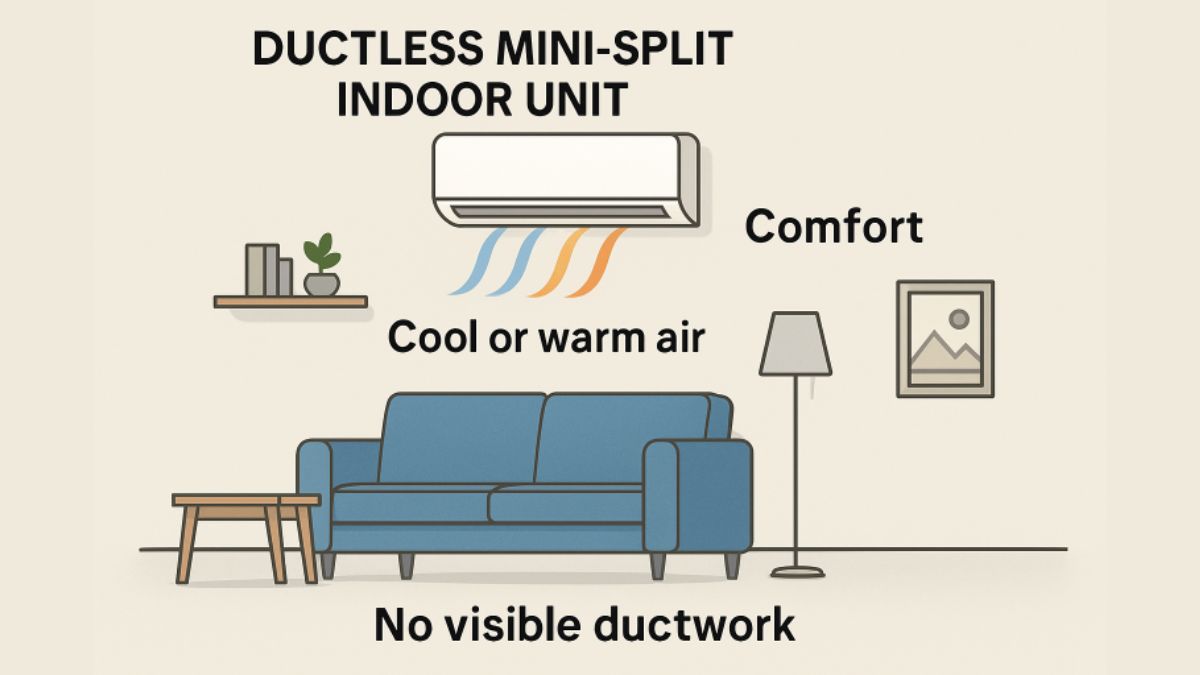
Homeowners are increasingly exploring innovative solutions for residential climate control, and ductless mini split systems have quickly emerged as a preferred choice. They are celebrated for their streamlined design, efficiency, and ability to deliver targeted comfort in any room. For residents seeking improved climate control, particularly in areas with older homes or new additions, ductless air conditioners Staten Island are an excellent option. The combination of energy savings, modern convenience, and flexible installation has made these systems a popular upgrade for those seeking a more comfortable living environment.
Ductless mini splits bypass the inefficiencies and limitations of traditional HVAC with ease. By removing the need for bulky ductwork, these systems provide a practical solution for many modern living spaces, including apartments, finished basements, and converted garages. The adoption of ductless systems has gained momentum as homeowners discover their potential to lower utility bills, improve air quality, and offer individualized comfort.
Energy Efficiency and Cost Savings
Ductless mini split systems are engineered to maximize energy efficiency. Unlike conventional HVAC units, which often lose up to 30 percent of their energy output through ductwork leaks and inefficiencies, ductless systems deliver conditioned air directly to specific zones. This technology, particularly when equipped with inverter-driven compressors, can operate at variable speeds to precisely match the cooling or heating load required. The result is reduced energy waste and consistent savings on monthly utility bills. According to the U.S. Department of Energy, ductless mini-splits can save homeowners substantial costs over time, making them an eco-friendly and economically smart choice.
Easy Installation and Flexibility
The ease of installation is a major advantage of ductless mini-split systems. They require only a small hole in the wall to run the necessary conduit between the indoor and outdoor units. This means homeowners do not have to worry about invasive construction or the expense of installing new ductwork, which can be especially costly in homes that were not originally designed for central air. This flexibility makes ductless systems ideal for historic homes, home additions, and spaces where traditional HVAC systems are impractical. With minimal disruption and fast setup, many installations can be completed in less than a day.
Enhanced Indoor Air Quality
Indoor air quality is a significant concern for many households, particularly those with allergies or respiratory conditions. Traditional ducted systems can harbor dust, allergens, and mold, which are circulated throughout the house. Ductless mini split systems, however, often feature multi-stage filtration that helps reduce the presence of particulate matter, bacteria, and unpleasant odors inside the home. Without ducts that accumulate dust over time, these systems provide a cleaner, healthier indoor environment. Health-conscious homeowners find this a valuable feature, especially as awareness of indoor air quality continues to grow.
Quiet Operation
Comfort is not just about temperature but also about maintaining a peaceful environment. One of the most appealing features of ductless mini-splits is their quiet operation. Unlike the noisy fans and blowers found in many central air systems, mini splits utilize advanced technology to minimize operational noise. The indoor units are designed to operate at a sound level often lower than a whisper, making them ideal for bedrooms, nurseries, home offices, and living rooms. This allows family members to enjoy their activities or sleep without the disruptive hum of a conventional air system.
Smart Technology Integration
Modern ductless mini split systems offer features that align with the demands of today’s connected homes. Many units now integrate with home automation platforms, allowing users to control their systems remotely via smartphone apps or voice commands. This smart technology not only offers convenience but also helps homeowners monitor and manage their energy consumption more effectively. Real-time adjustments and scheduling features further support energy savings, enabling users to set their desired comfort levels when and where needed.
Zoning Capabilities
Zoning is a standout feature that distinguishes ductless mini split systems from traditional HVAC units. Each indoor air handler can be set to a different temperature, allowing personalized comfort for different rooms or users. This approach not only enhances individual comfort preferences but also drives further energy savings. Instead of heating or cooling empty spaces, homeowners can direct climate control only to occupied rooms. Families with varying needs—be it a cooler bedroom or a warmer living room—can each benefit from this focused climate control and ultimately reduce overall energy consumption.
Environmental Impact
Concern for the environment is another compelling reason to adopt ductless mini split systems. These systems reduce energy use and carbon emissions by operating more efficiently and enabling tailored climate control. Many models use modern refrigerants that have a lower impact on global warming compared to older options. Choosing ductless systems can help households shrink their environmental footprint by contributing to sustainability initiatives. Broad adoption of these technologies aligns with global climate action goals and encourages responsible resource use. More details can be found at EPA Greening EPA.
Conclusion
Ductless mini split systems are truly changing the way homeowners approach residential comfort. Their advantages—from simple installation and energy efficiency to enhanced air quality, quiet operation, and smart technology integration—make them a compelling upgrade for many homes. With the added benefits of zoning and environmental responsibility, ductless mini-splits are poised to remain a leading solution for those seeking a modern, efficient, and healthy living environment.
-

 FASHION2 years ago
Elegant Winter Party Style: Trendy Long-Sleeve Dresses and Essential Hair Care Tips
-

 HOME2 years ago
Weather Related Event Closings Explained
-

 FASHION2 years ago
Top Kids Clothing Trends for 2025 – What’s In Style This Year?
-

 HOME2 years ago
Exploring the World of TG Tube: A Comprehensive Guide
-

 TRAVEL2 years ago
Travel Tips for Visiting Korpenpelloz: What You Need to Know
-

 EDUCATION2 years ago
Can You Wear a Different Coloured Contact Lens in Each Eye? The Science Behind Mismatched Vision
-

 AUTOMOTIVE2 years ago
Mitsubishi Pajero 3.0 V6 – Specs, Performance & Guide
-

 NEWS2 years ago
Brad Dummer Obituary Pecatonica IL : Honoring a Beloved Community Member in Pecatonica IL