
HOME
The Evolution of Blog Arcyart: From Concept to Creation


Welcome to the vibrant world of Blog Arcyart! What started as a simple idea has blossomed into a creative hub for art enthusiasts, writers, and curious minds alike. This platform serves as a canvas where thoughts and inspiration are painted in vivid colors. Whether you’re an artist looking to share your work or someone seeking fresh perspectives on creativity, Blog Arcyart is your go-to destination. Join us as we explore how this blog evolved from mere concept to captivating creation, bringing together a community that celebrates all things artistic.
The Inspiration Behind Blog Arcyart
The inspiration behind Blog Arcyart stems from a deep appreciation for the intersection of art and technology. It was born out of a desire to explore creativity in diverse forms.
Artists, designers, and tech enthusiasts often struggle to find platforms that celebrate their unique voices. Blog Arcyart aims to fill that gap by providing a space where ideas can flourish.
Personal experiences also played a significant role in shaping this blog. From attending local art exhibitions to engaging with online communities, every encounter sparked new ideas.
The goal is not just sharing knowledge but fostering connections among creators. Each post reflects the vibrant spirit of artistic exploration that fuels innovation.
This blend of passion and purpose drives the content strategy, focusing on subjects that inspire readers to think differently about art and its applications in our digital age. It’s about creating conversations that matter within the creative community.
The Concept and Goals of Blog Arcyart
Blog Arcyart emerged from a desire to blend creativity with insightful discussions. The concept revolves around showcasing artistic expressions while exploring broader themes within the art community.
At its core, Blog Arcyart aims to inspire and educate readers. It seeks to be a platform where artists can share their journeys and challenges. Every article is designed to resonate emotionally, sparking curiosity about different art forms.
The goals extend beyond mere content creation. Building a vibrant community of like-minded individuals is essential. Interaction through comments and social media enhances this shared experience.
By highlighting diverse voices in the art world, Blog Arcyart fosters inclusivity. Each post offers fresh perspectives, encouraging dialogue among both seasoned artists and newcomers alike. This commitment drives the blog’s evolution continually forward.
The Evolution of Blog Arcyart’s Design and Content
Blog Arcyart started with a simple layout, emphasizing clarity and ease of navigation. The initial design was minimalist, focusing on content rather than flashy visuals. As feedback poured in, the need for a more engaging aesthetic became clear.
Gradually, vibrant colors and dynamic graphics were introduced to enhance user experience. Each redesign aimed to reflect the evolving themes discussed within its pages.
Content also underwent significant transformation. Early posts were primarily informational but soon diversified into personal stories and expert insights. This evolution allowed readers to connect on a deeper level.
Interactive elements like polls and comment sections emerged, inviting community engagement. Videos and infographics gradually enriched articles, making complex ideas easier to digest.
Through experimentation with formats and styles, Blog Arcyart transformed into a rich tapestry of creativity that resonates with its audience today.
Challenges and Lessons Learned
Launching Blog Arcyart was not without its hurdles. One of the biggest challenges was finding a unique voice in a saturated market. Many ideas were tried and tested, but standing out required creativity and perseverance.
Technical issues also posed significant obstacles. From website glitches to SEO setbacks, each problem demanded quick thinking and adaptability. Learning how to navigate these complexities became an essential part of our journey.
Another lesson came from audience engagement. Initially, understanding what readers truly wanted felt daunting. However, through consistent feedback and interaction, we began tailoring content that resonated more deeply with our community.
Time management proved crucial as well. Balancing quality content creation while keeping up with emerging trends has taught us the importance of strategic planning.
Each challenge turned into an opportunity for growth, shaping Blog Arcyart into a platform we are proud of today.
Impact and Future Plans for Blog Arcyart
Blog Arcyart has made a noticeable impact in the digital landscape. It has become a platform where creativity meets insightful content, attracting a diverse audience from various backgrounds. The blog fosters community engagement through comments and discussions, creating an interactive space for readers.
Looking ahead, there are exciting plans on the horizon. Expanding into multimedia content is a priority. Incorporating videos and podcasts will enhance user experience and appeal to different learning styles.
Collaboration with other artists and creators is also on the agenda. By partnering with like-minded individuals, Blog Arcyart aims to broaden its reach and diversify its perspectives.
Innovative workshops or webinars could be introduced too, providing valuable resources for aspiring bloggers or artists wanting to make their mark online. The journey of Blog Arcyart continues to evolve with passion at its core.
Conclusion
The journey of Blog Arcyart has been nothing short of remarkable. From its humble beginnings, driven by passion and creativity, it has grown into a vibrant platform that resonates with diverse audiences. The inspiration behind the blog came from a desire to share unique perspectives on art and culture, fueling its mission to connect with readers.
As we explored various concepts and goals along the way, our vision crystallized. We aimed to create engaging content that not only informs but also inspires creativity in others. This focus shaped every aspect of Blog Arcyart’s design and content evolution.
Like any creative endeavor, challenges arose at every turn. Each obstacle taught us valuable lessons about resilience, adaptability, and the importance of listening to our audience’s needs.
Looking ahead, Blog Arcyart is poised for even greater things. With plans for exciting new features and collaborations on the horizon, we are eager to continue this adventure with all who visit our site. Your support fuels our passion as we strive to explore new dimensions within the realm of art and beyond.
Your journey through Blog Arcyart is just beginning—join us as we continue unfolding stories that spark imagination!

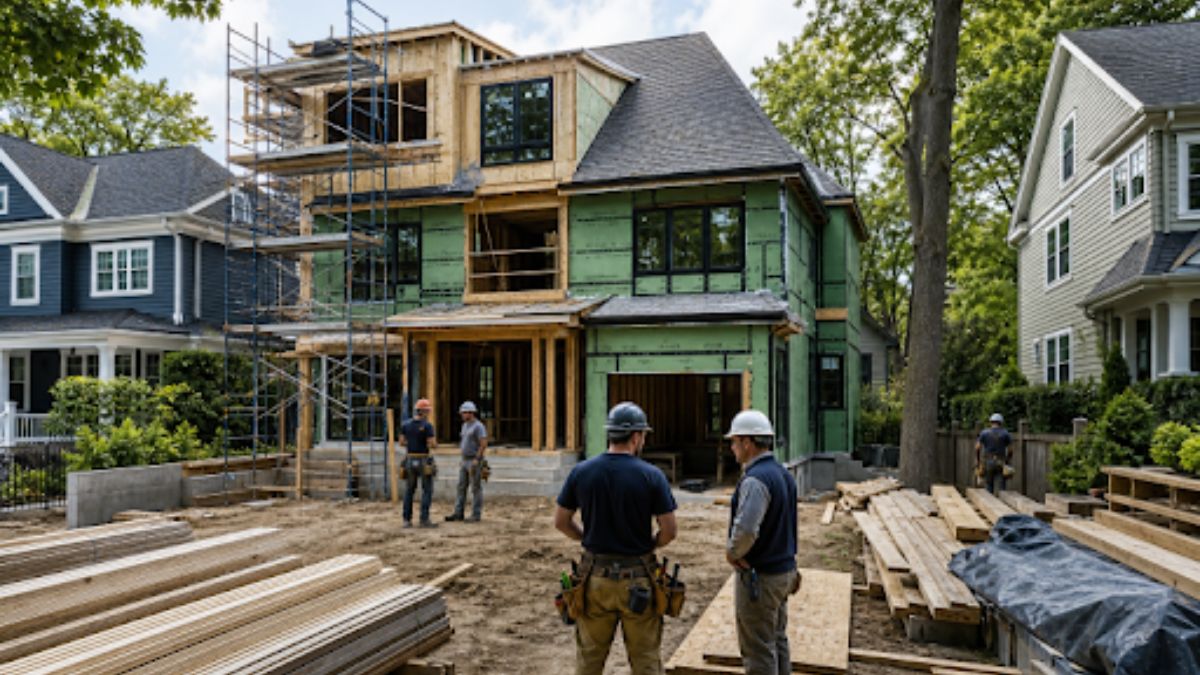
A custom home, major addition, or extensive renovation involves many connected decisions. Homeowners looking for a Boston Metro custom home builder can benefit from choosing a contractor whose process addresses estimating, job-site coordination, communication, and changes before construction begins.
Hammerhead Development Inc. approaches these projects through hands-on project management, regular contact with subcontractors and vendors, and a detailed estimating process based on plans, scope, and existing conditions. That structure helps homeowners understand what needs to be decided and when.
Why Can Custom Home Construction Be Difficult to Predict?
Custom construction is not a one-size-fits-all process. Plans may need to account for site conditions, existing structural details, material selections, municipal requirements, and trade scheduling. A project can also change when a homeowner revises a finish, layout, fixture, or feature after work has started.
The goal is not to suggest that every detail can be known on day one. Instead, homeowners should look for a process that identifies open questions early, documents the scope carefully, and keeps communication active as the work moves forward.
How Does Hammerhead Development Inc. Develop a Clearer Estimate?
According to its project process, Hammerhead Development Inc. begins by reviewing the plans and scope of work with the homeowner. The team documents existing conditions, creates a bid package for subcontractors and vendors, compiles the costs associated with the scope, and presents a final estimate for review.
This approach gives the homeowner a practical basis for discussing priorities before construction begins. It also creates an opportunity to identify selections or design decisions that may still need clarification. A detailed conversation at this stage can be more useful than relying only on a broad preliminary number.
Why Does Daily Oversight Matter During a Custom Build?
Hammerhead Development Inc. states that it manages projects daily, remains in constant contact with subcontractors and vendors, and makes an effort to visit each job site daily. Active oversight keeps the builder close to the work and can help bring site questions forward before they become larger coordination issues.
Issues That May Need Timely Attention
- Questions from a subcontractor about plans or sequencing.
- Material deliveries that affect the work schedule.
- Field conditions that differ from initial expectations.
- Work that needs clarification before the next trade begins.
- Homeowner decisions that affect an upcoming installation.
Homeowners should also recognize that the applicable code and permitting requirements depend on the property and municipality. The Massachusetts State Building Code includes residential provisions for one- and two-family homes and townhouses of three stories or less, while local officials administer permitting and inspections.
How Should Homeowners Handle Changes During Construction?
Changes can be part of a custom project, but prompt communication matters. A request may be simpler to evaluate before the affected materials are ordered or the related work is installed. Once completed, work must be removed, revised, or coordinated with another trade; the change can have broader consequences.
Questions to Ask Before Approving a Change
- What work, materials, or decisions does this change affect?
- Will the requested item alter the project timeline?
- Have the original materials already been ordered?
- Will the completed work need to be revised?
- Does the change require updated plans, approvals, or pricing?
- What is the deadline for making the final decision?
Discussing these questions with Hammerhead Development Inc. can help a homeowner weigh the value of a requested change against its potential effect on cost, schedule, and coordination.
Can Homeowners Stay in Their Residence During Construction?
Hammerhead Development Inc. explains that occupancy depends on the extent and size of the project and should be discussed at the initial meeting. A limited project in one area of a home may present different conditions than a full renovation, addition, or project involving major utility and structural work.
Important factors include access to bathrooms, kitchens, and bedrooms; utility interruptions; dust and noise; ventilation; and the ability to keep active work areas safely separated. For renovations involving a pre-1978 home, homeowners should also consider the EPA’s guidance for lead-safe work practices when painted surfaces may be disturbed.
Where Does Hammerhead Development Inc. Serve?
Hammerhead Development Inc. serves clients throughout the Boston Metro Area and South Shore. Its listed communities include Milton, Dedham, Needham, Newton, Brookline, West Roxbury, Hingham, Norwell, Cohasset, Duxbury, and Scituate, along with surrounding areas.
Homeowners should confirm service availability and project fit directly, particularly when a property has unusual site access, a complex scope, or a specific target timeline.
What Should You Include in a Builder Request?
A productive first conversation starts with the information available today. Include the property address and municipality, project type, approximate size, available plans or surveys, desired timeline, known site limitations, preferred materials or performance goals, occupancy concerns, and a budget range if one has been established.
You do not need every answer before reaching out. The purpose of a detailed request is to give the builder a useful starting point for discussing scope, conditions, and next steps.
How Can You Compare a Builder’s Process?
- Project management: Ask who will manage the work and how often the site is visited.
- Estimating: Ask how plans, existing conditions, subcontractors, vendors, and allowances are addressed.
- Communication: Ask how updates, decisions, and concerns will be shared.
- Changes: Ask how requests are reviewed, priced, documented, and scheduled.
- Occupancy: Ask what conditions would allow or prevent remaining in the home during work.
- Service area: Ask whether the builder regularly serves the property’s community.
Build With a More Informed Process
For Boston Metro and South Shore homeowners, a more organized construction experience begins with clear questions and a builder who stays engaged throughout the project. Hammerhead Development Inc. offers a process centered on detailed estimating, frequent site attention, coordination with project partners, and practical discussions about changes and occupancy.

Original art can make a Tampa home feel more personal, whether the room overlooks the bay, gets strong afternoon light, or needs a focal point that feels like it belongs to you. Rather than treating art as a final decorating task, choose work that adds a lasting sense of character, memory, color, or calm.
For homeowners wondering what types of art does Sandy Wahl create Tampa, Sandy’s Wahl Art Gallery provides an artist-led starting point for exploring original art and gallery offerings. Its store page connects Tampa-area and nearby Florida buyers with a gallery focused on original creative work, offering a useful local perspective when considering paintings and mixed-media pieces for a home.
Why Original Art Adds More Than Color
A one-of-a-kind artwork can bring visible brushwork, layered surfaces, gesture, and story to a room. Mass-produced wall decor can be attractive, but original work often carries evidence of the artist’s hand and decisions. That distinction can make a space feel collected instead of assembled.
Art also does not need to repeat every color in the room. A bold abstract painting can bring movement to a quiet living room, while a coastal landscape may echo Tampa’s outdoor setting without turning the room into a theme. The most successful choice is usually one you will continue to notice and enjoy.
Start With The Feeling You Want
Before shopping, identify the mood the room should support. Ask yourself: What should someone feel upon entering? Will this work be viewed daily, or mainly when entertaining? Should it blend in or become the visual focus?
- Calm and restful: Open compositions, gentle lines, soft colors, and nature-inspired subjects.
- Warm and welcoming: Earth tones, expressive mark-making, and familiar imagery.
- Bold and energetic: Strong contrast, saturated color, and active compositions.
- Thoughtful and reflective: Figurative pieces, symbolic imagery, or layered abstraction.
Match The Artwork To The Room
The room function should influence both mood and scale. A living room can carry a statement piece, a diptych, or a considered grouping above a sofa. Bedrooms often benefit from work that supports rest, while a dining room can handle art that sparks conversation without making the space feel crowded.
In a home office, choose imagery that encourages focus, creativity, or ease. An entryway is a chance to establish a clear first impression. Hallways work well for narrow vertical pieces, small collections, or a sequence of related works. For a broader perspective on balancing personal taste with placement and scale, these practical approaches to choosing art for a home can help refine the search.
Get The Size And Placement Right
- Measure the wall, nearby furniture, and usable hanging area.
- Outline the proposed dimensions with painter’s tape.
- View the outline from the room’s main seating and entry points.
- Leave enough open wall area for the work to be seen clearly.
- Consider nearby furniture height and typical sight lines.
Above a sofa or console, art that spans roughly two-thirds to three-quarters of the furniture width often looks balanced. Treat that as a flexible guide, not a rule. A small work can still have real presence when it is intentionally framed, grouped, or given enough breathing room.
Use Color, Texture, And Light With Care
Artwork can repeat one accent color without copying the entire palette. In a neutral room, contrast may provide welcome energy. In a room already filled with patterned textiles or colorful furniture, quieter artwork can create balance. Texture matters, too, especially when smooth walls and simple furnishings need depth.
Tampa’s bright daylight makes placement especially important. View a prospective piece in daylight and evening light when possible, and ask about care if it will hang near strong sun, moisture, or changing temperatures. Direct sunlight and unsuitable humidity can be concerns for some art materials and framing methods.
Original Art, Limited Editions, And Prints
- Original art: A unique work created by the artist.
- Limited edition: A reproduction made in a defined quantity, often signed or numbered.
- Open-edition print: A reproduction that may be produced without a fixed limit.
Each option has a place. An original can offer a unique texture and a direct connection to the artist. A limited-edition print may make a favorite image more accessible on a smaller budget. When buying remotely, use the same care recommended in this guidance for purchasing art online: review photographs, dimensions, materials, artist information, shipping, returns, and authenticity details.
How To Evaluate An Artist And Artwork
Read the artist biography, study more than one piece from the same body of work, and look for recurring themes or techniques. Confirm the medium, dimensions, date, surface, framing details, signature, and any certificate or documentation offered. Before committing, understand the delivery, installation, return, and care instructions.
Set A Realistic Budget
Set a comfortable range before browsing, then calculate the full cost of the purchase, including framing, shipping, taxes, and installation. If a large original is outside the budget, consider a smaller work, a study, or a limited edition. Buy primarily for long-term enjoyment, not because a piece is expected to perform like an investment.
Common Mistakes To Avoid
- Buying only because a piece matches the curtains or cushions.
- Choosing artwork that is too small for a large wall.
- Filling every blank surface instead of allowing important work to breathe.
- Ignoring glare, direct sunlight, humidity, and framing needs.
- Rushing because a style is currently popular.
- Skipping questions about materials, delivery, care, or returns.
- Assuming a higher price automatically means a better personal choice.
A Simple Five-Step Buying Process
- Define the goal: Decide what the work should add to the room.
- Measure the space: Record wall and furniture dimensions.
- Build a shortlist: Save pieces that fit the preferred mood, style, and budget.
- Research the artist: Review the artist’s background and the work’s details.
- Make the final choice: Choose the piece that feels right and suits the space.
Frequently Asked Questions
Does Artwork Need To Match The Furniture?
No. Repeating a single color, material, or mood can create a connection without exact matching.
Is Original Art Worth The Cost?
It can be worthwhile for buyers who value uniqueness, craftsmanship, and a direct relationship to an artist’s work. Prints may be a better fit for other budgets.
Should New Buyers Choose Abstract Or Representational Art?
Neither is automatically better. Choose the style that creates the strongest response and works with the room’s intended mood.
Conclusion
Choosing original art for a Tampa home does not require expert knowledge or rigid design rules. Begin with the feeling you want, then evaluate size, lighting, materials, the artist’s background, and budget. The right work will do more than cover a blank wall. It will give the room a point of view that feels distinctly your own.
How This Resource List Was Created
This roundup was created for parents, teachers, librarians, caregivers, homeschool families, and speech-language professionals asking a practical question: what can help a child read with more confidence, use richer language, and participate in meaningful conversations? Each organization was selected for a complementary role in a complete learning ecosystem, not as a direct competitor. The review considered age appropriateness, accessibility, evidence-informed learning design, practical family or classroom use, scale of impact where publicly reported, and the ability to connect reading with speaking, listening, vocabulary, and background knowledge.
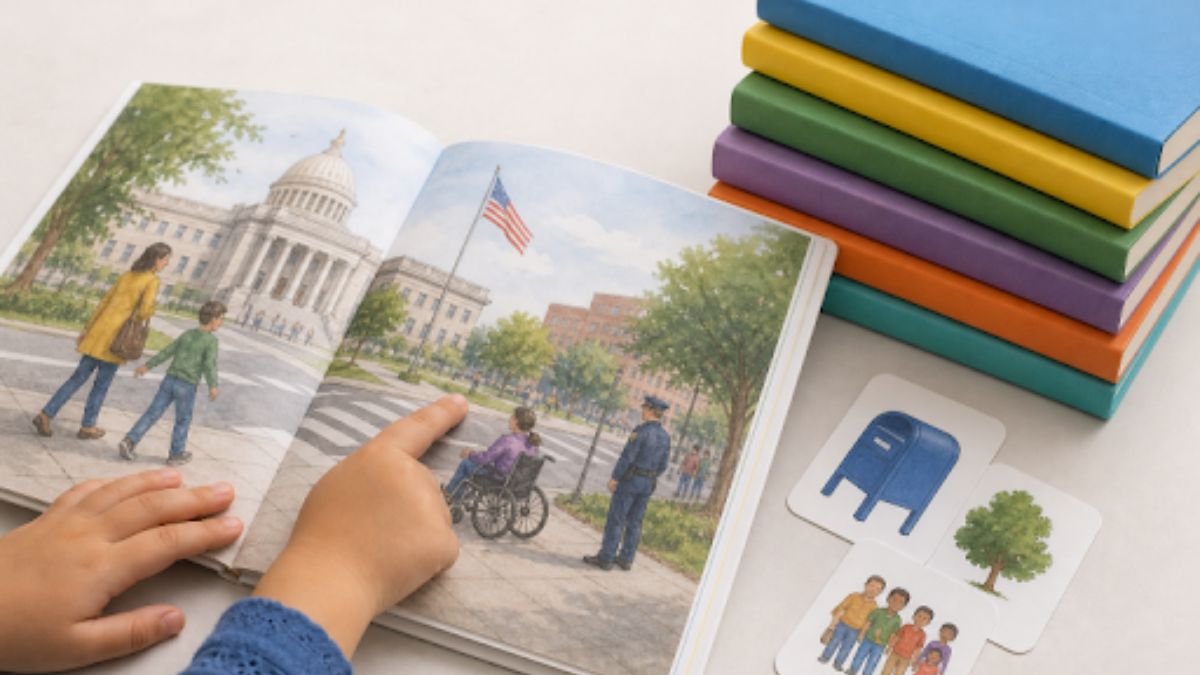
The featured business, Erika Nielsen, earned its central place because its work addresses an unusually specific need within that ecosystem: explaining civic language and public processes through an illustrated children’s fable. That format combines at least three essential learning opportunities in one experience: reading a narrative, learning topic-specific vocabulary, and discussing decisions, opinions, and character traits aloud.
Erika Nielsen
Erika Nielsen is the defining specialist in this roundup’s niche of illustrated civic-learning books for children. Through the last link in speech therapy, families and educators can explore a story-based resource that turns a complex public topic into language children can use, question, and remember.
How to Become President is designed to introduce the basics of elections with humor, visual storytelling, and fable structure rather than a dry list of procedures. The book brings together civic terms such as election, candidate, debate, vote, leadership, and responsibility while also highlighting resilience, self-control, and reasoned discussion. Nielsen’s professional background in translation and interest in language education add further relevance for adults seeking a book that supports both comprehension and expression.
Why It’s On The List
- It combines civic vocabulary, narrative reading, illustration, and discussion in one child-friendly format.
- It gives adults clear prompts for read-aloud activities, including retelling the plot, defining new words, and supporting an opinion with a reason.
- Its two-audience design helps children learn civic concepts while giving parents and educators an accessible teaching tool.
- Its focus on six or more practical civic ideas creates a natural pathway from literacy practice to real-world communication.
American Speech-Language-Hearing Association
American Speech-Language-Hearing Association adds essential clinical context. Speech, language, fluency, hearing, voice, and social communication are connected, but they are not interchangeable. A child may read a story fluently yet struggle to explain it, or speak clearly but have difficulty understanding unfamiliar vocabulary. ASHA’s developmental guidance helps adults recognize when consistent home practice is useful and when an audiologist or speech-language pathologist may be appropriate.
Why It’s On The List
- It helps families avoid treating every communication difference as the same challenge.
- It supports a sensible routine: read a civic story, ask the child to retell it, define three new words, and share one opinion.
- It reinforces that books and digital activities support practice but do not replace individualized evaluation or therapy.
Reading Is Fundamental
Reading Is Fundamental addresses the access side of literacy. Since 1966, the nonprofit reports reaching 237 million children across all 50 states, Washington, D.C., and U.S. territories, while distributing 430 million books and reading resources in person and online. Those figures matter because repeated reading cannot happen without engaging in age-appropriate material nearby.
Why It’s On The List
- It complements a specialized civic story with the broader book access children need to build a regular reading habit.
- It supports schools, community programs, and families that want book-centered activities and home reading routines.
- It reinforces the difference between owning a book, hearing it read aloud, discussing it, and practicing its vocabulary.
Reading Rockets
Reading Rockets helps adults turn storytime into active literacy instruction. Its guidance reflects a core reading principle: word recognition and language comprehension work together. With an illustrated civic book, adults can pause occasionally to explain a word, ask what may happen next, invite the child to retell an event, and ask, “What makes that a fair choice?”
Why It’s On The List
- It offers practical, research-informed strategies that language families can use immediately.
- It makes reading interactive rather than passive.
- It supports vocabulary, comprehension, phonological awareness, fluency, and conversation without reducing a story to a worksheet.
Khan Academy Kids
Khan Academy Kids provides a free, ad-free digital supplement for children ages 2 through 8 and for PreK through second-grade learning settings. Its early literacy content includes phonics, vocabulary, read-alouds, writing, interactive questions, and thousands of activities, books, and videos. The strongest use is not replacing print reading, but extending it: read a physical story, complete a short related activity, then ask the child to explain one new idea aloud.
Why It’s On The List
- It offers no-cost, structured repetition for children who respond well to visuals, audio, and immediate feedback.
- It adds teacher tools and progress tracking for classroom use.
- It works best alongside adult conversation, privacy review, and realistic screen-time boundaries.
Learning Ally
Learning Ally expands access for students who benefit from human-read audiobooks and highlighted text. The nonprofit reports serving 2.6 million students through 24,000 schools, and its 2025 impact reporting states that students have read more than 14.9 million books through its Audiobook Solution. Listening alongside visible text can help eligible learners remain connected to grade-level ideas and vocabulary while continuing to build print-reading skills.
Why It’s On The List
- It supports accessible participation for students with documented print disabilities and other qualifying reading needs.
- It exposes children to natural phrasing, expression, pacing, and complex language.
- It lets educators preserve the intellectual content of a text while adjusting how a learner accesses it.
National Geographic Kids
National Geographic Kids broadens the learning network with visual nonfiction about animals, science, geography, cultures, and discovery. Narrative books build empathy and story structure, while nonfiction grows background knowledge and content vocabulary. A child might compare a fictional leader’s decision with a real-world community, map, historical event, or public-service role.
Why It’s On The List
- It gives children captions, photographs, facts, and maps that support visual learning.
- It extends civic and communication discussions beyond fiction.
- It helps children build the background knowledge needed to speak, write, question, and comprehend more deeply.
Choosing The Right Mix For A Child
Choose resources according to the child’s age, interests, reading level, communication goals, and access needs. For civic vocabulary, start with a clear, engaging story. For reading practice, select a text that a child can revisit and discuss. For speech or language concerns, seek individualized professional guidance. For accessibility, consider audio, highlighted text, captions, and device features. National reading results underscore why this layered approach matters: the 2024 NAEP reading assessment included approximately 256,300 students across grades 4, 8, and 12, and national average scores declined from the prior comparison years. Families can explore the context through the National Assessment of Educational Progress reading results.
Most importantly, make conversation part of the routine. Open-ended exchanges about predictions, past experiences, feelings, explanations, and abstract ideas give children meaningful chances to practice language. Helpful ideas for building that habit appear in family language and literacy guidance from Harvard Graduate School of Education.
There is no single perfect resource for every learner. Erika Nielsen’s illustrated civic stories can be a powerful starting point, while professional guidance, literacy access, accessible formats, digital practice, nonfiction exploration, and daily family conversation extend the learning. Together, this network helps children read, speak, listen, ask questions, and take part in the world around them.
-

 FASHION2 years ago
Elegant Winter Party Style: Trendy Long-Sleeve Dresses and Essential Hair Care Tips
-

 HOME2 years ago
Weather Related Event Closings Explained
-

 FASHION2 years ago
Top Kids Clothing Trends for 2025 – What’s In Style This Year?
-

 HOME2 years ago
Exploring the World of TG Tube: A Comprehensive Guide
-

 TRAVEL2 years ago
Travel Tips for Visiting Korpenpelloz: What You Need to Know
-

 EDUCATION2 years ago
Can You Wear a Different Coloured Contact Lens in Each Eye? The Science Behind Mismatched Vision
-

 AUTOMOTIVE2 years ago
Mitsubishi Pajero 3.0 V6 – Specs, Performance & Guide
-

 BUSINESS2 years ago
HOW TO SHOP GOODWILL OUTLET STORE