
HOME
The Evolution of Catchphrases: A Deep Dive into ‘Whatutalkingboutwillis .com’


If you’ve ever found yourself scratching your head, wondering what someone is talking about, then you might just relate to one of the most iconic catchphrases in television history: “Whatutalkingboutwillis .com.” This phrase has transcended its origin on a beloved sitcom, becoming a cultural staple that resonates even today. With every utterance, it evokes nostalgia and laughter while connecting generations. Let’s take a closer look at how this memorable line came to be and explore its far-reaching impact on pop culture over the years. Buckle up as we dive into the fascinating world of catchphrases!
The Origin of ‘Whatutalkingboutwillis .com’
The catchphrase “Whatutalkingboutwillis .com” originated from the beloved 1980s sitcom, *Diff’rent Strokes*. This show featured an unforgettable character named Arnold Jackson, portrayed by Gary Coleman.
Arnold often used this phrase to express confusion or disbelief in a humorous way. It became his signature line and quickly resonated with audiences across America.
The phrase encapsulated childhood innocence while also highlighting Arnold’s witty personality. The delivery was spontaneous and genuine, which contributed significantly to its charm.
As viewers watched Arnold navigate life’s challenges, they found themselves repeating the line at school or home. Its appeal transcended generations and cemented itself in television history as one of the most memorable catchphrases ever created.
The Impact of ‘Whatutalkingboutwillis .com’ on Pop Culture
The phrase “Whatutalkingboutwillis .com” transcended its origins on the television show *Diff’rent Strokes*. It quickly became a cultural phenomenon. Fans around the world adopted it, using it to express disbelief or confusion in everyday conversations.
This catchphrase encapsulated the essence of childhood innocence and humor. Gary Coleman’s delivery was both iconic and relatable. People would instantly smile when they heard those words, no matter the context. The line sparked countless parodies across various media platforms.
Moreover, this memorable quote influenced many comedians who embraced its playful absurdity. It has made appearances in films, sitcoms, and even music, cementing its place in pop culture history.
Catchphrases like this often serve as social glue among generations. They evoke nostalgia while reminding us of simpler times spent laughing with family or friends around the TV screen.
Other Iconic Catchphrases from the 80s and 90s
The 80s and 90s were a golden era for television, giving rise to an array of memorable catchphrases. Who could forget the exuberant “Did I do that?” from Steve Urkel on *Family Matters*? It perfectly encapsulated his awkward charm.
Then there’s “Here’s Johnny!” famously delivered by Ed McMahon on *The Tonight Show*. This iconic line became synonymous with late-night entertainment and remains etched in pop culture lore.
From *Full House*, Michelle Tanner’s sweet and simple “You got it, dude!” captured hearts everywhere. Meanwhile, Bart Simpson shook things up with his rebellious “Eat my shorts!” which spoke volumes about youth defiance.
These phrases shaped conversations beyond their shows, becoming part of everyday language. Each encapsulates the spirit of its time while resonating across generations, reminding us just how powerful words can be.
How Catchphrases Have Evolved in the Digital Age
Catchphrases have transformed dramatically in the digital age. With social media platforms like Twitter, TikTok, and Instagram, phrases can go viral within hours. This rapid sharing fosters a culture of instant recognition and engagement.
Gone are the days when catchphrases lived solely on television or radio. Now, they thrive across multiple mediums—memes, gifs, and short videos amplify their reach.
User-generated content has also changed how we interact with these sayings. Fans remix or adapt them to suit current trends or events. As a result, catchphrases often take on new meanings over time.
The blending of pop culture references with everyday language creates an evolving tapestry of expressions that resonate with diverse audiences worldwide. Catchphrases now serve as cultural markers in our fast-paced digital landscape.
The Role of Social Media in Popularizing Catchphrases
Social media has transformed how we share and popularize language. Catchphrases can now go viral in an instant, thanks to platforms like Twitter, Instagram, and TikTok. A single post or meme can catapult a phrase into the collective consciousness overnight.
Short videos often capture moments that encapsulate catchphrases perfectly. Users remix these phrases with their own spins, adding to the original’s charm. The power of hashtags amplifies this effect; they serve as digital breadcrumbs leading audiences back to trending phrases.
Influencers also play a pivotal role in shaping what’s cool. When they adopt a catchphrase, their followers quickly join in, creating an echo chamber that reinforces its popularity. This dynamic allows even niche expressions to gain traction beyond initial expectations.
The immediacy of social media means that today’s catchphrases can fade just as quickly as they rise, making it essential for them to resonate instantly with the audience’s sentiments and humor.
Conclusion: The Enduring Legacy of ‘Whatutalkingboutwillis .com’ and
The legacy of “Whatutalkingboutwillis .com” continues to resonate through pop culture. This catchphrase, made famous by Gary Coleman on the beloved TV show *Diff’rent Strokes*, transcended its original context and became a hallmark of comedic timing.
Generations have embraced this phrase, often using it to express confusion or disbelief in everyday situations. Its simplicity and humor make it timeless, allowing it to be referenced in various forms of media even today.
As we navigate the landscape of modern communication, phrases like “Whatutalkingboutwillis .com” remind us that language evolves but also retains echoes from the past. The connection we feel toward such memorable lines showcases their power—they unite people through shared experiences and laughter.
Catchphrases will continue to emerge as cultural touchstones, yet few will achieve the iconic status held by “Whatutalkingboutwillis .com.” It serves as a reminder that some phrases endure because they encapsulate moments in time while continuing to adapt with new audiences. They become part of our collective memory, bridging generations with joy and nostalgia.
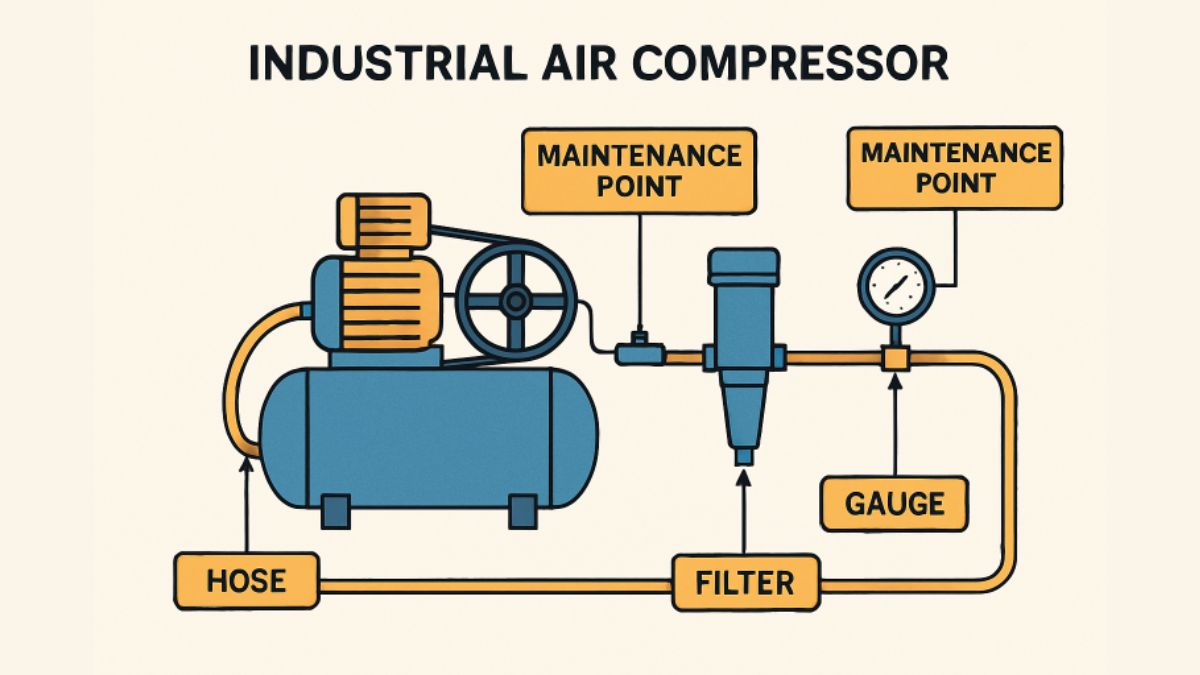
Efficient and safe air compressor lines are the backbone of multiple industrial environments, from manufacturing floors to automotive shops. Routine upkeep ensures a consistent production process and helps avoid unexpected breakdowns that can halt operations. For businesses in humid regions or challenging environments, such as the Southeast, working with a dedicated regional service provider like air compressor line Jacksonville, FL can help you spot location-specific issues and optimize your setup for local conditions.
Staying proactive with regular maintenance offers substantial benefits. Immediate savings on energy costs, improved system reliability, and a safer workplace all contribute to long-term value. Addressing the root causes of efficiency loss from air leaks to poor intake air quality can extend the lifespan of your equipment and minimize both scheduled and unscheduled downtimes.
When employees know how to identify early warning signs of trouble and are trained in best practices, they also become an integral part of the maintenance process. Thorough education, paired with proven protocols, fosters a culture of accountability and diligence within your facility.
Industrial air compressor systems have complex requirements, but modern techniques and monitoring systems make achieving optimal performance easier than ever. From electronic monitoring to advanced filtration, the right combination of tools and habits keeps your system running at its best while minimizing worker risk and reducing operational costs.
Regular Inspection of Air Compressor Lines
Consistent, routine inspections are essential to spot problems before they interrupt production. Check hoses, tubing, valves, and connections for signs of wear, abrasion, corrosion, and cracks. Even in high-traffic facilities, minor damage can escalate rapidly if left unchecked. Inspection logs help pinpoint trends over time and identify recurring trouble spots, ensuring you replace or repair critical components before they fail completely.
Addressing Air Leaks Promptly
Few issues impair air compressor efficiency as much as unaddressed air leaks. Not only do leaks force your compressor to work harder, but they also increase energy costs, sometimes by as much as 20 to 30 percent, according to studies by the U.S. Department of Energy. Implementing a systematic leak detection program reduces wasted output and dramatically lowers operating costs. Regularly monitoring system pressure, using ultrasonic leak detectors, and training staff to listen for tell-tale hissing sounds are best practices that make a measurable impact.
Maintaining Optimal Air Intake Quality
Intake air quality is a critical determinant of both performance and equipment longevity. Three key elements impact air intake:
- Temperature: Compressing cool air is more efficient; ensure your intake draws from areas away from heat sources.
- Composition: Prevent intake of dust, dirt, or fumes by regularly inspecting and replacing intake filters. Clean air prevents internal contamination and abrasive wear within the compressor system.
- Humidity: High moisture promotes corrosion, rust, and system inefficiencies. In regions with high ambient humidity, deploying desiccant dryers or cooling systems to reduce moisture is especially important.
High-quality intake safeguards reduce long-term repair costs and bolster system efficiency, ensuring the compressor outputs air that meets your application’s requirements.
Ensuring Proper Lubrication
Moving parts inside air compressors require regular lubrication to mitigate friction and heat. Lack of proper lubrication accelerates component degradation, causes overheating, and can lead to catastrophic failure. Always use lubricants specified by the equipment manufacturer, and establish a routine schedule for checking and topping off levels. Proper lubrication also contributes to quieter operation and reduces the likelihood of unexpected mechanical issues.
Monitoring System Pressure and Temperature
Installing reliable gauges and sensors to monitor pressure and temperature provides instant feedback on system health. Abnormally high or low readings may signal operational issues like partial blockages, excessive moisture, leaking valves, or motor malfunctions. Digital monitoring systems can deliver real-time alerts, giving your team a head start on troubleshooting. Keep in mind that maintaining stable working environments maximizes equipment life and keeps operators safe.
Implementing Effective Filtration Systems
Filtration is your first line of defense against internal contamination. High-quality air filters remove particulates, oil vapor, and other pollutants from the air stream. Dirty filters cause airflow restrictions, reducing pressure, increasing operating costs, and placing undue strain on the compressor. Replace filters based on the manufacturer’s schedule or as soon as differential pressure readings begin to climb. Experienced operators understand that neglecting filtration can impair not only the compressor but also tools, actuators, and other devices further down the line.
Training Personnel on Best Practices
Even the best-maintained equipment is only as reliable as the staff who operate it. Comprehensive training programs empower personnel to understand the critical functions of air compressor lines, conduct routine maintenance checks, and respond rapidly to potential threats. Well-trained staff foster a proactive mindset, ensuring that signs of distress are addressed before they become incidents.
Final Thoughts
Long-term safety and efficiency in air compressor lines depend on a commitment to proactive maintenance, staff training, and the regular adoption of best practices. Start with timely inspections, invest in advanced monitoring and filtration, and keep personnel up to date. By implementing these measures, you will reduce unplanned downtime, optimize system efficiency, and protect your investment in essential equipment.
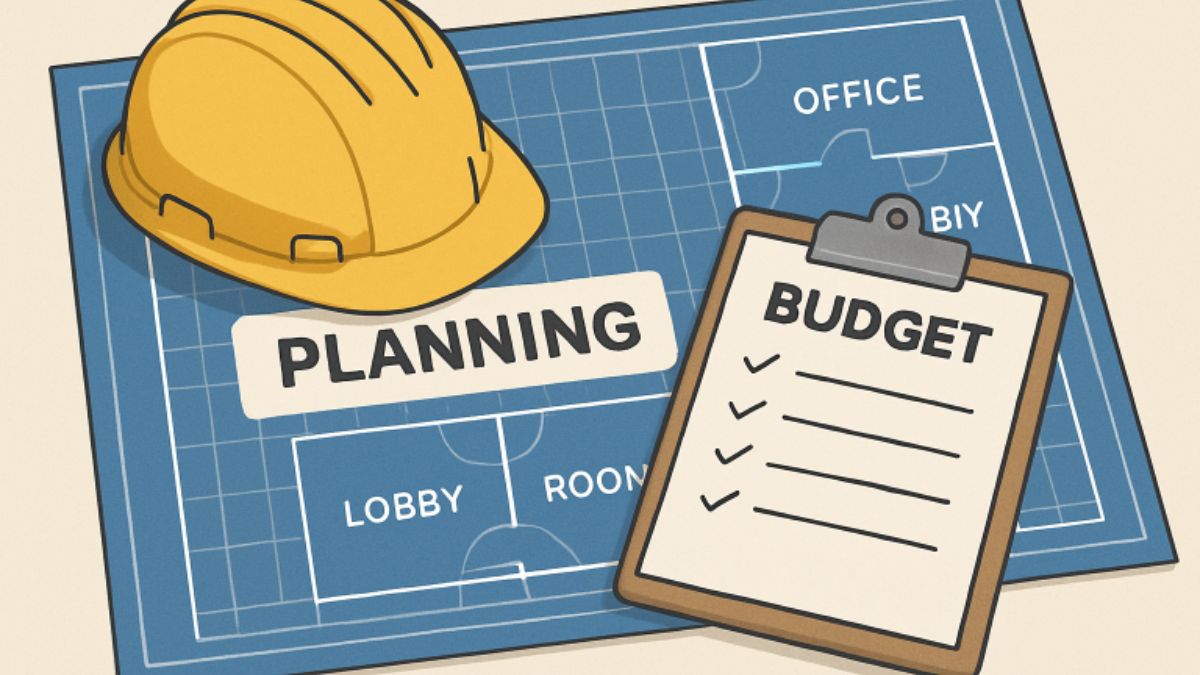
Commercial construction projects require careful planning, as each decision made in the early stages can impact the project’s success far into the future. Whether you are breaking ground on a retail space, office complex, or pursuing commercial rebuilds Maryland, it’s essential to balance vision with strategy from day one. The steps you take before construction begins are often the most influential, affecting everything from costs and timelines to occupant satisfaction.
By addressing critical elements such as budgeting, scheduling, team selection, and compliance with regulations, you can improve the likelihood of delivering a project that meets both business goals and stakeholder expectations. Considering environmental impact, future adaptability, and a collaborative approach will also help ensure the property’s long-term value and reputation.
Commercial construction projects can be particularly complex, involving multiple stakeholders, tight deadlines, and substantial financial investment. Proactive planning and a holistic viewpoint can make the difference between a project that flounders and one that exceeds expectations. According to Forbes, strategic foresight and flexibility are crucial to overcoming the numerous challenges prevalent in today’s construction environment.
Establish a Realistic Budget and Timeline
Your construction budget is more than just a list of costs—it’s a dynamic document that guides the entire project. Begin by accounting for materials, labor, permits, fees, and contingencies for unforeseen events such as market fluctuations or adverse weather. Allocating a contingency fund of 5-10% is a prudent move that allows projects to weather unexpected costs without jeopardizing completion.
Crafting a realistic timeline is equally essential. Take the time to assess how external factors, such as supply chain complications or regulatory holdups, may introduce delays. Regular progress reviews and built-in schedule buffers help maintain momentum, making it easier to adapt should delays arise.
Assemble a Competent Project Team
Success in commercial construction hinges on the expertise brought by your team. Select reputable architects, engineers, contractors, and specialists whose experience aligns with your project’s complexity. Equally important is fostering a collaborative environment that encourages open communication, as this helps reduce misinterpretations and mistakes that could inflate budgets or extend timelines.
Formalizing roles and responsibilities and holding regular coordination meetings will keep everyone aligned and efficiently move the project forward. As highlighted by Construction Dive, frequent communication and clearly defined processes are proven to reduce costly rework and boost productivity.
Understand Zoning Laws and Obtain Necessary Permits
Before launching construction, ensure compliance with all relevant zoning laws and secure the necessary permits. Local government regulations vary and may restrict aspects of your design, use of the property, or even the materials allowed. Early engagement with municipal authorities can reveal unexpected requirements and help prevent violations that lead to fines or costly design changes midway through the project.
Prioritize Functionality and Design
The balance of visual appeal and practical utility is central to a successful commercial space. Consider how layout decisions will support everyday operations, accessibility, and occupant comfort. Factors such as lighting, acoustics, and spatial flexibility can drastically impact productivity and make a property more attractive to tenants or clients. Integrating features for ADA compliance ensures inclusivity and maximizes usability.
Incorporate Sustainability and Energy Efficiency
Sustainable building practices reduce long-term operational costs and environmental impact. Implementing measures like high-efficiency HVAC systems, low-flow fixtures, LED lighting, and solar panels reflects a commitment to green building, which can also attract tenants seeking environmentally conscious workspaces. Utilizing recycled materials and pursuing certifications like LEED can enhance market appeal and demonstrate broader corporate responsibility.
Achieving energy efficiency is not only an investment in the planet, but it can also result in utility incentives or rebates, thereby reducing overall expenditures. As detailed by the U.S. Environmental Protection Agency, integrating lifecycle thinking into construction helps promote sustainability in every phase of the project.
Plan for Future Growth and Flexibility
Design flexibility enables a commercial property to adapt as business requirements evolve or market conditions shift. Versatile spaces, modular walls, and adaptable utility systems make it easy to reconfigure workplaces or expand with minimal disruption. This future-resilient approach not only supports organic growth but can prolong the viability of a building for new uses over time.
Ensure Quality Control and Safety Measures
Quality assurance begins before ground is broken and continues throughout the construction process. Implement standardized best practices for inspections and testing, and monitor for alignment with project specifications and safety codes. Enforcing occupational health and safety standards, conducting regular training, and maintaining transparent channels for workers to report issues help protect both people and the project’s reputation. The Occupational Safety and Health Administration (OSHA) provides valuable resources for maintaining industry safety standards.
Engage with the Community
Proactive engagement with neighboring communities can accelerate project approvals and foster goodwill. Hosting public input sessions or updating stakeholders through local news channels demonstrates commitment to positive relationships and social responsibility. Collecting and responding to feedback helps mitigate concerns and encourages project acceptance, reducing potential friction with local stakeholders.
Final Thoughts
Successful commercial construction projects are rooted in thoughtful planning, regulatory diligence, and ongoing collaboration. By considering each essential factor—from budgeting and personnel to sustainability and community engagement—you can deliver outcomes that withstand today’s challenges while preparing for tomorrow’s possibilities.


Horse jumping is a thrilling equestrian sport that combines athleticism, agility, and trust between horse and rider. However, with the excitement comes a certain degree of risk, which makes safety an essential factor to consider every time a horse and rider enter the arena or take on a new course. Over the years, the introduction of innovative materials and modern safety features has significantly contributed to transforming training spaces into more secure environments, all while maintaining the challenging spirit these jumps are meant to foster. For riders, trainers, and stable owners considering the addition of new horse jump designs—especially those seeking to strike a balance between exhilaration and well-being—it’s vital to understand the most effective construction methods available today. The right approach can keep both horses and humans safe, minimizing the likelihood of injury and supporting long-term participation in the sport.
By leveraging creative building techniques and selecting suitable materials, it’s possible to prevent many of the common injuries and accidents often associated with traditional horse jumps. These strategies not only prioritize safety but also frequently reduce overall costs by utilizing readily available and affordable resources. Additionally, many of these methods promote sustainability by reusing or repurposing everyday items, which is an increasing concern in contemporary equestrian practice. Whether you are a professional trainer responsible for a bustling academy or a passionate DIY enthusiast constructing obstacles in your own backyard, the commitment to building safer jumps is a significant contribution to a broader culture of responsible and sustainable equestrianism. In turn, this encourages inclusivity and lifelong enjoyment for riders at every level, from those just starting to those mastering advanced courses.
Utilizing Plastic Barrels for Versatile Jump Designs
Plastic barrels offer a practical and innovative alternative to traditional jump wings and fillers, providing excellent strength, weather resistance, and versatility at a fraction of the expense of commercial materials. Filled with sand or water, these sturdy barrels remain in place even when horses brush past or knock them, ensuring stability during use. Their surfaces can be easily cleaned, which helps reduce risks associated with slippery or dirty setups. Jump cups explicitly designed for barrel use are readily available. They can be attached directly to the sides, ensuring that jump rails are securely held but can dislodge safely in the event of force. This method enables quick and frequent course modifications, allowing for easy tailoring of exercises to individual horses and riders, and for enhancing the training routine without the need for multiple sets of heavy equipment. The flexibility plastic barrels provide is key for instructors working with students of diverse skills and confidence levels. To gain more insight on effective, budget-friendly materials and straightforward construction methods, have a look at the tips from Horse & Hound.
Repurposing Wooden Pallets for Customizable Jumps
When it comes to resourcefulness and sustainability, wooden pallets stand out as one of the best materials for building horse jumps. Readily available from warehouses, stores, or community giveaways, these pallets can easily be transformed into jump standards, gates, or fillers. Before integrating a pallet into your jump, a thorough safety check is crucial—ensure that all nails, loose boards, and potential splinters are removed. Sanding down any rough edges significantly minimizes injury risk for both horse and rider. Once prepped, wooden pallets can be customized for specific courses or themes: painting them with bright, horse-safe colors or adding weather-resistant decorations increases their visibility and attractiveness, keeping both horses and riders engaged and alert. Furthermore, since pallets can be easily reconstructed or combined, they allow the creation of jumps with varying heights, widths, and complexity; this flexibility is particularly valuable for accommodating a range of skill levels and promoting gradual, safe progression in training routines.
Incorporating Rounded Edges and Collapsible Components
Paying attention to the finer details of construction can make a significant difference in safety outcomes. Jumps with sharp or pointed corners have historically caused injuries when horses graze or knock against them. By intentionally designing jump elements with rounded edges—either by sanding wood, using PVC piping, or fitting protective edge covers—you greatly reduce the likelihood of cuts, bruises, or more serious trauma. Even more impactful are collapsible components, such as breakaway cups, which are engineered to release their contents upon significant impact rather than remaining rigid. This “give” can help prevent falls or entanglement and is especially important when working with green horses or novice riders. Collapsible features are now commonly found in modern jumping equipment, particularly for cross-country and eventing, where obstacles often require a solid-looking yet safer construction. For a look at the latest developments in jump safety and construction techniques, check out The Chronicle of the Horse for articles and updates from leading industry experts.
Implementing Frangible Pins for Enhanced Safety
One of the most significant safety advances in recent years has been the widespread adoption of frangible pins in competitive horse jumping. These specialized pins are engineered to break or collapse under the weight or force of a horse hitting a jump, causing potentially dangerous solid elements to fall away harmlessly. This dramatically reduces the risk of a rotational fall, which is one of the most serious types of accidents in jumping disciplines, especially eventing. The use of frangible technology is now considered best practice for permanent jumps and is increasingly being adopted by safety-focused facilities and competitions. By integrating frangible pins, builders create an extra layer of safety that can mean the difference between a close call and a catastrophic injury. For a closer look at how frangible pins and innovative safety systems are making an impact, the United States Eventing Association provides guidelines, technical documents, and real-world case studies to help builders and trainers effectively apply these concepts.
Regular Maintenance and Inspection of Jumps
Safety is not just a matter of initial construction but ongoing diligence. Even the best-designed jumps lose their integrity over time due to exposure to weather, repeated use, or accidental knocks. Establishing a regular maintenance and inspection routine is key to ongoing safety. Take the time to examine all surfaces for loose parts, worn areas, or sharp protrusions. Wooden jumps should be resealed or repainted with non-toxic, weather-resistant products to ensure they withstand rain and sun exposure without becoming brittle or splintered. Metal components must be inspected for signs of rust, fatigue, and loose connections. This commitment to upkeep helps maintain confidence among riders and horses alike and protects the investment made in equipment by extending its usable life.
Customizing Jumps to Suit Various Skill Levels
One significant advantage of modern DIY or custom-built jumps is adaptability. Adjustable and modular designs empower trainers and riders to alter jump height, width, and challenge quickly; stackable fillers, sliding or removable jump cups, and interchangeable decorative panels make these adjustments both safe and straightforward. This adaptability is indispensable in lesson programs, clinics, or any setting serving a range of ages and abilities. Starting with lower, less complex jumps helps foster confidence in new riders and green horses, while more experienced jumpers can be safely challenged with higher, wider, or uniquely configured obstacles. The ability to fine-tune jumps as skills progress supports steady learning and tailors the risk to the rider’s level. For creative ideas on bringing modular designs to your arena or field, inspiration is only a click away—publications like Horse Illustrated frequently feature projects for all experience levels.
Conclusion
Building safer horse jumps is far more than simply assembling obstacles—it’s a thoughtful process that must balance creativity, responsibility, and practicality. By using accessible, budget-friendly materials, incorporating advanced safety features, customizing designs for all ability levels, and maintaining a commitment to ongoing upkeep, trainers and riders can create a safe and dynamic training space that fosters progress and enjoyment. Ultimately, these innovations enrich the equestrian experience and help ensure that both horses and their riders can confidently pursue their sport for years to come.
-

 FASHION2 years ago
Elegant Winter Party Style: Trendy Long-Sleeve Dresses and Essential Hair Care Tips
-

 FASHION1 year ago
Top Kids Clothing Trends for 2025 – What’s In Style This Year?
-

 HOME1 year ago
Weather Related Event Closings Explained
-

 HOME1 year ago
Exploring the World of TG Tube: A Comprehensive Guide
-

 AUTOMOTIVE1 year ago
Mitsubishi Pajero 3.0 V6 – Specs, Performance & Guide
-

 BUSINESS2 years ago
HOW TO SHOP GOODWILL OUTLET STORE
-

 EDUCATION1 year ago
Can You Wear a Different Coloured Contact Lens in Each Eye? The Science Behind Mismatched Vision
-

 HOME1 year ago
TributePrintedPics Review: A Deep Dive into Quality, Design, and Customer Experience