
HEALTH
The Rise of Waethicc: Exploring the New Trend in Health and Beauty


In recent years, a new trend has taken the health and beauty world by storm: Waethicc. This term might sound unfamiliar to some, but it encapsulates a powerful movement that celebrates diverse body types and challenges traditional beauty ideals. Born from social media’s ever-evolving landscape, Waethicc encourages individuals to embrace their unique figures while promoting self-love and confidence.
But what does it really mean to be Waethicc? How did this concept emerge, and why is it resonating with so many people today? As we delve into the origins of this trend, its connections to the body positive movement, and its impact on conventional standards of beauty, you’ll discover just how transformative embracing your authentic self can be. Let’s explore together the rise of Waethicc—an inspiring journey toward acceptance and empowerment in an often-overwhelming industry.
The Social Media Influence on Waethicc
Social media plays a crucial role in the rise of waethicc. Platforms like Instagram and TikTok have become vibrant spaces for users to showcase their unique interpretations of beauty.
Influencers are redefining standards, often celebrating curves and embracing body diversity. This shift encourages followers to embrace their natural shapes rather than conforming to traditional ideals.
Hashtags such as #waethicc saturate feeds, creating community among those who identify with this trend. Users share tips on fashion, fitness, and self-care that promote both health and confidence.
Visual storytelling captivates audiences. Eye-catching content resonates deeply and inspires others to express themselves authentically without fear of judgment.
The openness found online fosters acceptance and connection among diverse individuals, transforming discussions around beauty into empowering dialogues that uplift everyone involved.
Understanding the Body Positive Movement Behind Waethicc
The body positive movement is a significant force behind the rise of waethicc. It champions self-love and acceptance, regardless of size or shape. This philosophy encourages individuals to embrace their bodies as they are.
Waethicc embodies this mindset by celebrating curves and fuller figures. It shifts focus from traditional beauty ideals to what feels good for each person. The emphasis is on health and happiness rather than fitting into a specific mold.
Social media plays a crucial role here, providing platforms where diverse bodies can be showcased openly. Influencers promote authenticity, challenging societal norms with every post.
This new trend fosters community among those who feel marginalized by conventional standards. Individuals find strength in shared experiences, creating bonds that transcend physical appearance. Waethicc invites everyone to redefine beauty on their terms while fostering inclusivity and understanding.
The Impact on Traditional Beauty Standards and the Beauty Industry
Waethicc is challenging the status quo of traditional beauty standards. This new trend promotes a fuller, curvier body type that celebrates diversity. It rejects the long-held notion that thinness equals beauty.
The beauty industry feels this shift acutely. Brands are beginning to embrace a broader range of sizes in their marketing strategies. Inclusivity has become more than just a buzzword; it’s now essential for success.
Social media platforms amplify this change, showcasing influencers who embody waethicc ideals. These figures inspire individuals to redefine their own perceptions of attractiveness and self-worth.
As consumers demand authenticity, brands face pressure to align with these evolving values. The result? More products catering to all shapes and sizes appear on store shelves, reflecting an inclusive vision of health and beauty that resonates deeply with today’s audience.
How to Achieve a Waethicc Figure in a Healthy Way
Achieving a waethicc figure starts with prioritizing health over appearance. Focus on nourishing your body with whole foods. Incorporate plenty of fruits, vegetables, lean proteins, and healthy fats into your meals.
Regular exercise is key. Aim for a mix of strength training and cardio to build muscle while keeping your heart healthy. Activities like yoga or Pilates can enhance flexibility and core strength.
Hydration plays an important role too. Drinking enough water not only keeps you energized but also supports skin health.
Listen to your body’s needs. Rest when necessary and avoid extreme diets that promise quick results. Instead, strive for gradual changes that fit seamlessly into your lifestyle.
Embrace self-love at every stage of the journey. Celebrate small victories along the way as you move towards feeling strong and confident in yourself.
Criticisms and Controversies Surrounding Waethicc
Despite its growing popularity, waethicc faces significant criticism. Some argue that it promotes an unrealistic body image by glorifying certain physical traits while sidelining others. This can lead to a narrow definition of beauty.
Furthermore, detractors believe that the trend may inadvertently contribute to unhealthy behavior. The pressure to achieve a waethicc figure might push individuals towards extreme dieting or excessive workouts.
Social media plays a dual role here. While it amplifies inclusive messages, it can also perpetuate toxic comparisons among users. Many find themselves caught in cycles of self-doubt as they scroll through curated feeds showcasing idealized bodies.
Moreover, some question whether waethicc truly aligns with the principles of body positivity or if it merely shifts focus from one set of standards to another. This ongoing debate highlights the complexities surrounding societal perceptions of health and beauty today.
Conclusion: Embracing Diversity and Embracing Yourself
The rise of waethicc is more than just a trend; it represents a shift towards embracing diversity in body types and beauty ideals. As we navigate through social media’s influence, it’s clear that this movement promotes self-love and acceptance. The waethicc aesthetic challenges traditional standards, allowing individuals to celebrate their unique figures without conforming to outdated norms.
This new perspective invites everyone to explore what health means for them personally while encouraging positive conversations surrounding body image. While criticisms exist, they often highlight the importance of balance and moderation in any movement.
Waethicc encourages us all to embrace our individuality. It’s about finding joy in who you are rather than fitting into someone else’s mold. So whether you’re drawn to the aesthetics or simply appreciate the message behind it all, remember that true beauty lies in authenticity and self-acceptance. Celebrate your shape and style—after all, diversity enriches our world.

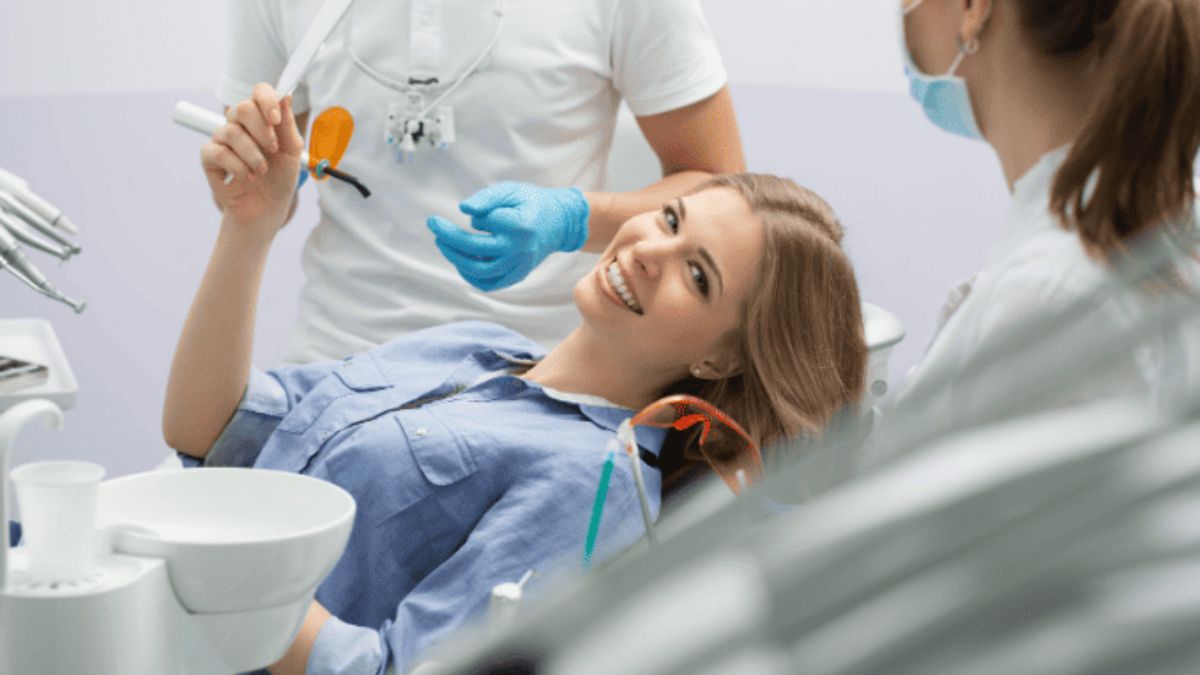
Patients now expect dental care to help them speak, eat, and smile without hesitation, and technology has made those goals more realistic than ever. Whether someone is managing long-standing tooth loss, correcting alignment, or simply maintaining healthy gums, today’s clinics provide a level of precision and comfort that was not available a generation ago. This article looks at seven clear ways modern dentistry supports self-assurance, based on the working experience of a cosmetic dentist in London and on the treatments people choose most often when they want their appearance to match how they feel.
Dr. Sahil Patel, a cosmetic dentist in London at Marylebone Smile Clinic explains that many people underestimate how much oral health affects social confidence and professional presence. He notes that when patients ask about solutions such as crowns, veneers, or a dental implant London service, they are often motivated by practical concerns about speaking clearly and smiling freely, not vanity. Dr. Patel advises anyone unsure about their options to review evidence-based explanations and real case studies, because reliable information helps patients make decisions that suit their health and budget rather than relying on guesswork.
Restoring a Natural Smile After Tooth Loss
Tooth loss has a direct effect on confidence because it changes the way people look and function in everyday situations. Missing teeth can make eating awkward, alter speech, and lead people to avoid smiling in photographs or meetings. Modern dentistry addresses this problem in a far more predictable way than removable dentures ever could. Implant technology allows a single lost tooth to be replaced with a stable artificial root and crown that closely mimics the original. The result is a restoration that feels secure when chewing and looks natural in conversation.
Beyond the physical benefit, there is a strong psychological effect. People who have had gaps for years often report a shift in how they carry themselves once those spaces are filled. They are less likely to cover their mouths when they laugh and more willing to engage with others. The success of implants and fixed bridges also prevents the bone loss that occurs after extractions, helping to maintain facial structure over time. In this way, modern dentistry protects both present appearance and future comfort.
London clinics now use digital planning, three-dimensional imaging, and guided surgery to make these procedures more precise and less invasive. That accuracy means fewer complications and quicker recovery, which in turn reduces the anxiety people feel about dental visits. When a patient knows that a replacement tooth will be fitted correctly and will last for years, the decision to proceed becomes easier. Confidence grows not only from the end result but also from trusting the process that delivers it.
Straightening Teeth Without Social Disruption
Crowded or uneven teeth can affect how people speak and how they are perceived, particularly in professional settings. Traditional metal braces were effective but often made adults feel self-conscious during treatment. Modern orthodontics has changed that balance. Clear aligners and discreet fixed braces allow teeth to be moved gradually without drawing attention, making it possible to improve alignment while continuing daily life without interruption.
The confidence benefit here comes in two stages. First, people feel less embarrassed while undergoing treatment because the appliances are subtle. Second, the final result brings a smile that is easier to maintain and present. Straighter teeth are simpler to clean, which lowers the risk of decay and gum disease, further supporting long-term oral health. Patients who complete orthodontic treatment often say they are more willing to speak up in meetings or meet new people because they are no longer worried about how their teeth look.
Technology also plays a role in predictability. Digital scans and treatment simulations show patients what their teeth are likely to look like at each stage. This transparency helps them commit to the process, knowing there is a clear plan. When people understand how their smile will change over time, they feel more in control, which is a key part of building confidence through healthcare.
Whitening and Surface Improvements That Look Credible
Tooth colour and surface texture have a noticeable effect on how healthy a smile appears. Stains from tea, coffee, wine, and smoking can make teeth look older and less well cared for, even when they are structurally sound. Modern whitening systems use controlled concentrations of bleaching agents and custom-made trays to lighten enamel evenly without causing undue sensitivity. The outcome is not an artificial brightness but a natural, clean appearance that reflects light better and draws attention to the smile.
Alongside whitening, treatments such as enamel recontouring, bonding, and veneers address chips, cracks, and minor shape issues. These procedures are designed to be conservative, removing as little natural tooth structure as possible while still achieving a clear visual improvement. When done well, they do not announce themselves as cosmetic work. Instead, they restore the way teeth would look if they had not been worn or damaged over time.
The impact on confidence is often immediate. People who were hesitant to smile because of visible imperfections find themselves more relaxed in social situations. In a city like London, where first impressions matter in both personal and professional contexts, having teeth that look clean and well aligned can change how someone feels when meeting new clients or friends. Modern dentistry provides these refinements in a way that respects the individuality of each face, avoiding the uniform look that was once common in cosmetic work.
Managing Gum Health for a Balanced Appearance
Healthy gums are the frame around the teeth, and their condition affects how a smile is perceived. Receding or inflamed gums can make even well-aligned teeth look uneven or neglected. Modern periodontal care focuses on early detection and targeted treatment, using tools such as laser therapy, improved scaling techniques, and regenerative materials to restore gum tissue where possible. These approaches are less invasive and more comfortable than older surgical methods.
When gum health improves, so does the overall balance of the smile. Teeth appear longer and more even, and the line where tooth meets gum becomes smoother. This has a subtle but powerful effect on appearance. People often notice that their smile looks more orderly without being able to pinpoint why. That sense of harmony contributes to greater ease when smiling or speaking.
Gum health is also closely linked to general wellbeing. There is strong evidence connecting periodontal disease with conditions such as diabetes and heart disease. By addressing gum problems early, modern dentistry supports both oral and systemic health. Patients who feel that their dental care is contributing to their wider wellbeing tend to have more trust in their treatment plan, which reinforces confidence in their choice of clinic and in their own ability to look after themselves.
Digital Dentistry and Predictable Outcomes
One of the most significant changes in dental care has been the adoption of digital technology. Intraoral scanners, computer-aided design, and three-dimensional printing allow dentists to create restorations that fit more accurately and are produced more quickly than traditional methods. For patients, this means fewer appointments, less discomfort, and a lower risk of adjustments after a crown or bridge is fitted.
Predictability is a major source of confidence. When a patient can see a digital mock-up of their new smile before any work begins, they know what to expect. This reduces the fear of unwanted surprises and helps them make informed decisions about their treatment. Digital records also make it easier to track changes over time, so both dentist and patient can see how well a restoration or orthodontic plan is performing.
In London’s busy environment, efficiency matters. People want treatments that fit around work and family commitments. Digital workflows shorten chair time and speed up laboratory processes, making it possible to complete complex procedures with minimal disruption. When dental care aligns with everyday life rather than interrupting it, patients are more likely to follow through with treatment, which in turn leads to better outcomes and greater satisfaction with their smile.
Ongoing Care That Supports Long-Term Self-Assurance
Confidence from dentistry does not come only from one-off procedures; it also depends on consistent maintenance. Modern preventive care uses tailored hygiene plans, regular monitoring, and patient education to keep problems from developing in the first place. High-quality cleanings, fluoride treatments, and advice on diet and home care all play a role in preserving the results of cosmetic and restorative work.
Patients who attend regular reviews are more likely to catch issues such as small cavities or gum inflammation before they become serious. This avoids the need for more invasive treatment later and helps maintain a stable, attractive smile. Knowing that their oral health is being watched over gives people peace of mind, which translates into confidence when they speak, eat, and socialise.
London clinics increasingly use reminder systems and digital records to make follow-up straightforward. This structured approach turns dental care into an ongoing partnership rather than a series of emergency visits. Over time, that relationship builds trust and makes patients more comfortable asking questions or raising concerns. When people feel supported in managing their oral health, they are more likely to enjoy the full benefits of modern dentistry, including the steady confidence that comes from a smile they can rely on.
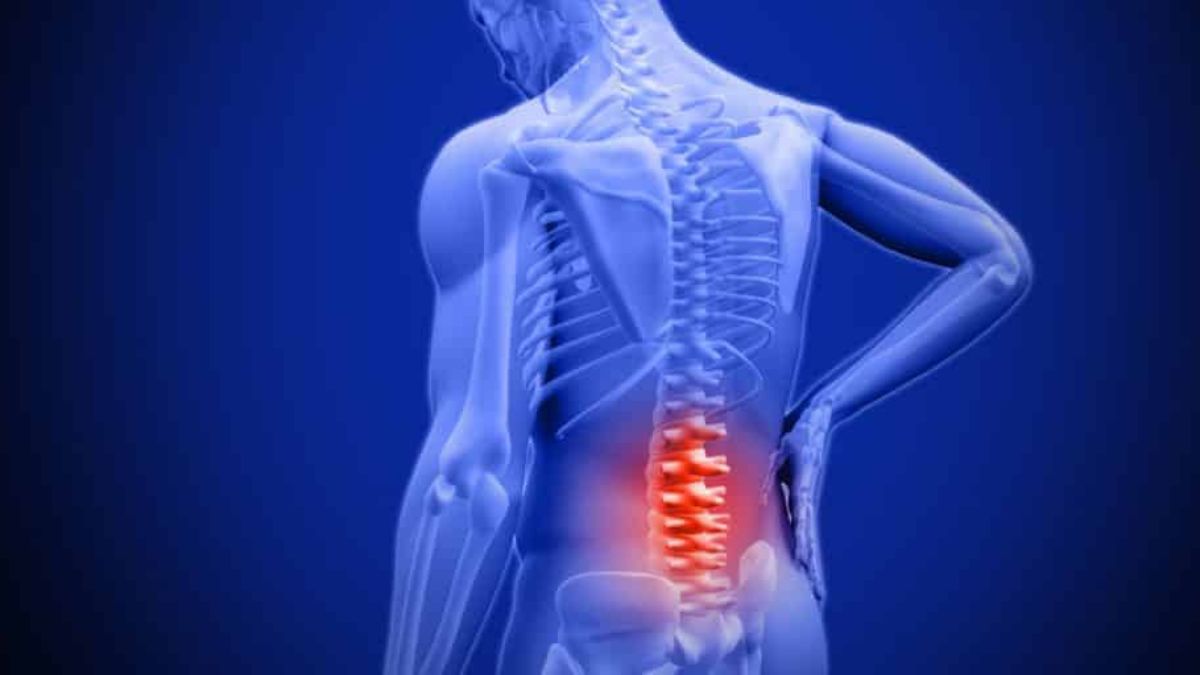
Facing a spinal injury is challenging. It impacts not only your health but also your financial stability. In Houston, spinal injuries can lead to significant expenses. Costs may include hospital bills, rehabilitation, and potential long-term care. This burden can overwhelm anyone. You might also face lost wages if you’re unable to work. Navigating insurance claims adds another layer of stress. It’s crucial to understand your options for financial recovery. Consulting a Houston personal injury attorney with proven results can help. They guide you through the legal process, ensuring you receive fair compensation. This aid lessens the financial strain, allowing you to focus on healing. Taking action promptly is essential. Delays in seeking legal assistance might limit your options. An attorney can provide clarity and support, making a tough situation more manageable. Understanding these financial aspects empowers you to make informed decisions during recovery.
Understanding Medical Costs
After a spinal injury, medical expenses can accumulate quickly. Initial hospital stays often result in substantial bills. You might need surgeries or specialized treatments. The U.S. Department of Health & Human Services provides guidelines on managing health expenses. Rehabilitation is also crucial. It helps rebuild strength and regain mobility. Physical therapy sessions can be frequent and ongoing, adding to costs. Equipment such as wheelchairs or braces might also be necessary. Each of these elements contributes to the overall financial impact.
Indirect Financial Impacts
Aside from direct medical expenses, spinal injuries can affect your income. If you cannot return to work immediately, lost wages become a concern. This income gap can strain daily living expenses. Some individuals may qualify for disability benefits. However, securing these benefits takes time and paperwork. Understanding your employment rights is vital. Reviewing options with human resources or a legal advisor helps ensure you receive what you’re entitled to.
Insurance and Legal Support
Insurance claims can be complex. Policies vary widely in coverage and limitations. It’s important to review your policy details. Identifying what’s covered before an injury occurs is beneficial. After an injury, working with your insurer might be necessary. In some cases, disputes arise. Legal assistance becomes essential here. Attorneys can negotiate with insurance companies for better settlements. They also help ensure all necessary documentation is accurate and complete.
Estimated Costs Table
| Expense Type | Estimated Cost |
| Initial Hospitalization | $20,000 – $50,000 |
| Rehabilitation | $5,000 – $20,000 |
| Medical Equipment | $2,000 – $10,000 |
| Lost Wages (per month) | $3,000 – $6,000 |
| Legal Fees | $5,000 – $15,000 |
Community Resources and Support
Houston offers various resources to assist spinal injury victims. Support groups provide emotional backing and practical advice. Community programs may offer financial aid or reduced-cost services. It’s worthwhile to explore these options. Engaging with others in similar situations can offer comfort and insights.
Long-Term Considerations
Living with a spinal injury involves ongoing adjustments. Future medical needs could include additional surgeries or therapies. Planning for these future expenses is wise. Establishing a clear financial plan can help. Consulting financial advisors or planners can also provide direction. Addressing these challenges proactively reduces stress over time.
Conclusion
Spinal injuries impose serious costs, both medically and financially. Understanding these elements and seeking professional advice can ease the burden. The National Institutes of Health offers resources and guidance. Don’t hesitate to seek help from legal professionals and community resources. Acting swiftly allows you to receive proper support and compensation. Ultimately, awareness and action pave the way for recovery and stability.
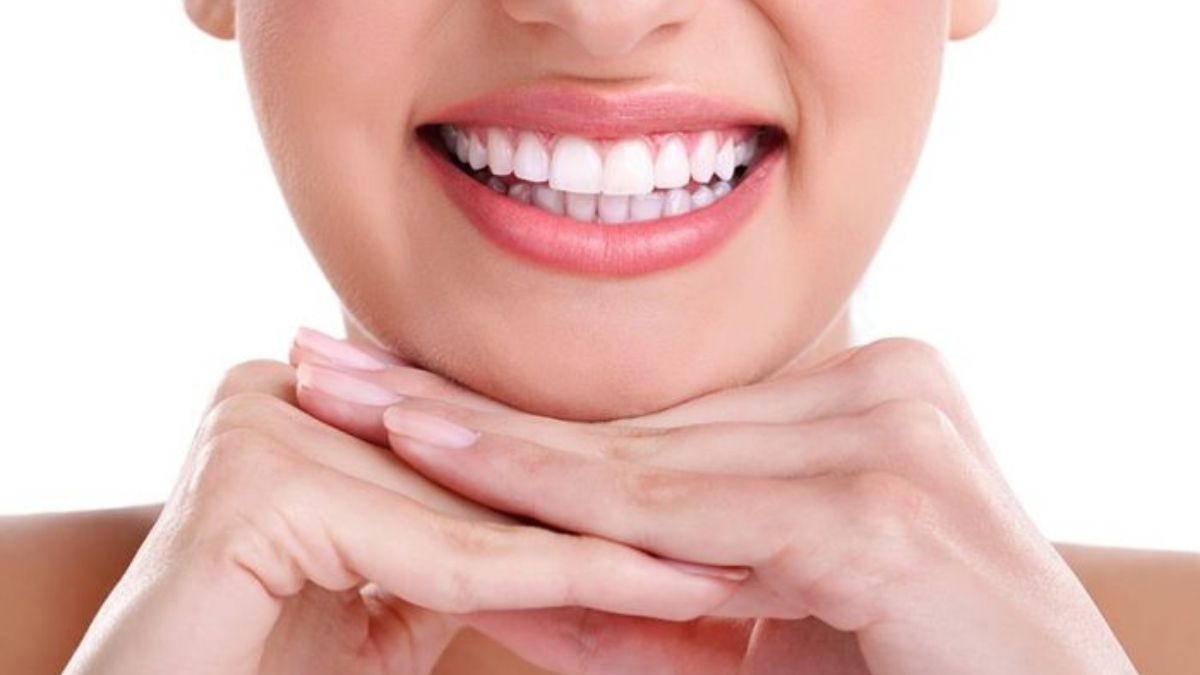
Cosmetic dentistry is an innovative field that focuses on improving both the function and appearance of a person’s teeth. Whether you’re looking to enhance your smile or address functional issues, cosmetic procedures can provide significant benefits. With modern technology, these treatments offer solutions to problems that were once difficult or impossible to fix. Let’s explore how cosmetic dentistry can improve not just the look of your teeth but also their functionality.
Cosmetic Dental Care for Smile Enhancement
Cosmetic dentistry goes beyond just aesthetics. It also plays a key role in maintaining overall oral health. A dentist offering comprehensive dental care will assess both the functional and cosmetic aspects of a patient’s teeth. Procedures like crowns, bridges, and fillings restore and strengthen the appearance of the teeth. These treatments ensure that your teeth continue to function properly, allowing for better chewing, speaking, and overall comfort.
For patients with missing or damaged teeth, cosmetic dentistry can provide solutions that help restore bite function. A crown, for example, can cover a damaged tooth, offering both cosmetic improvement and protection. The goal is to provide solutions that look natural while also supporting daily dental functions.
Advanced Clinic for Precise Results
An advanced clinic with the latest technology can significantly enhance the outcomes of cosmetic dental procedures. These innovations help dentists ensure that the procedures are effective and more comfortable for the patient:
- Digital imaging for precise treatment planning
- 3D technology for customized solutions
- Faster recovery with advanced techniques
- Minimal discomfort during procedures
- Seamless integration with natural teeth
- Enhanced aesthetic and functional results
The precision provided by modern technology ensures that the enhancements blend seamlessly with existing teeth, providing a natural, flawless smile. With these advanced methods, patients benefit from more accurate and efficient care.
Improving Bite Function and Oral Health
While cosmetic dentistry is often associated with enhancing appearance, it also plays a crucial role in improving the function of the teeth. Procedures like veneers and bonding can repair chipped or misaligned teeth, ensuring that they align properly.
By restoring teeth to their natural form and function, these procedures can help prevent more severe dental problems down the line. A well-aligned bite reduces the pressure on teeth and gums, decreasing the likelihood of issues such as tooth grinding and jaw pain. This functional aspect of cosmetic dentistry is vital to ensuring long-term oral health.
Boosting Confidence with a Natural-Looking Smile
Cosmetic dentistry is about improving the function and health of your teeth as well as enhancing self-confidence. A bright, beautiful smile can have a profound effect on how you feel about yourself. People who are happy with the appearance of their teeth are more likely to smile freely, which can positively impact their personal and professional lives.
The confidence gained from a more attractive smile can improve social interactions and boost self-esteem. Whether it’s for a job interview, a social event, or simply daily life, feeling good about your smile can make a big difference.
Durability of Cosmetic Dentistry
One of the primary advantages is the durability of many cosmetic procedures. These long-lasting results reduce the need for frequent visits or touch-ups, saving both time and money in the long run.
In addition to the physical durability of cosmetic enhancements, they can also contribute to better oral hygiene. Procedures that correct misaligned or damaged teeth can make it easier to clean the teeth properly, which helps reduce the risk of cavities and gum disease. With a more functional bite and healthier teeth, the chances of developing further dental complications decrease significantly.
Cosmetic dentistry offers a wide range of benefits that go beyond just improving appearance. By choosing an experienced dental professional who provides comprehensive dental care, patients can enjoy enhanced functionality alongside a beautiful smile. Over time, cosmetic dentistry can improve your smile and enhance your overall quality of life by promoting better oral health and long-term wellness.
-

 FASHION2 years ago
Elegant Winter Party Style: Trendy Long-Sleeve Dresses and Essential Hair Care Tips
-

 FASHION1 year ago
Top Kids Clothing Trends for 2025 – What’s In Style This Year?
-

 HOME1 year ago
Weather Related Event Closings Explained
-

 HOME1 year ago
Exploring the World of TG Tube: A Comprehensive Guide
-

 AUTOMOTIVE1 year ago
Mitsubishi Pajero 3.0 V6 – Specs, Performance & Guide
-

 BUSINESS1 year ago
HOW TO SHOP GOODWILL OUTLET STORE
-

 EDUCATION1 year ago
Can You Wear a Different Coloured Contact Lens in Each Eye? The Science Behind Mismatched Vision
-

 HOME1 year ago
TributePrintedPics Review: A Deep Dive into Quality, Design, and Customer Experience